




- SpaceX’s Starship reaches orbit, deploys 26 next-generation Starlink satellites
- NGT orders Rajasthan to return 2.9087 hectares of forest land in Jaipur
- Youth in Haryana grappling with drug menace, says Bhupinder Hooda
- Delhi Mayor slams Congress, AAP for bid to ‘tarnish’ ECI image
- 11 years afrer Kerala Assembly ruckus, trial of top Left leaders set to begin November 3
- Congress workers stage protest in Punjab to demand resignation of CEC Gyanesh Kumar
- CM Omar Abdullah introduces decriminalising, rationalising offences & ease of doing business in J&K Assembly
- Chinese Communist Party seeks to shape environment in which information is produced, circulated and interpreted: Report
Delhi Winter Pollution Plan 2026: No PUC, No Fuel, 150 More E-Buses, 50% WFH
In Short
Delhi government had made a major announcement including a series of various measures to tackle winter pollution.

Share :
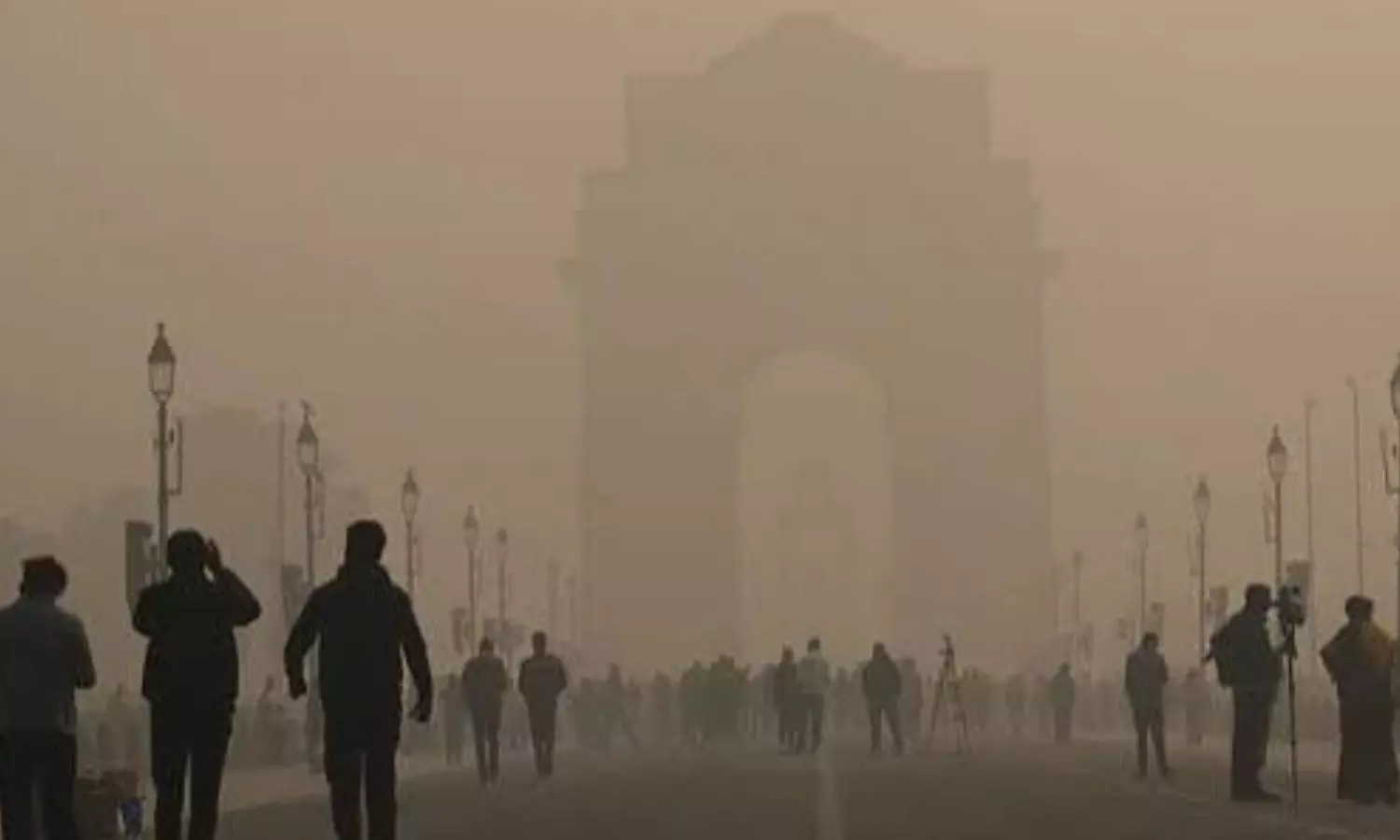
Delhi government has announced a series of measures to tackle the rise in air pollution expected during the winter months
The Delhi government has announced a series of measures to tackle the rise in air pollution expected during the winter months, with tighter checks on vehicles, expanded public transport and restrictions aimed at reducing traffic and emissions.
The measures were discussed at a high-level meeting attended by Union Environment Minister Bhupender Yadav, Delhi Chief Minister Rekha Gupta, Environment Minister Manjinder Singh Sirsa and PWD Minister Parvesh Verma.
Among the key steps are stricter enforcement of the “No PUC, No Fuel” rule, action against end-of-life vehicles, the addition of 150 electric buses, higher parking charges and a 50% work-from-home arrangement for government and private offices.
‘No PUC, No Fuel’ Rule To Be Enforced More Strictly
The Delhi government will intensify enforcement of the “No PUC, No Fuel” policy from October 1, requiring vehicles to have a valid Pollution Under Control Certificate to purchase fuel.
A crackdown on end-of-life vehicles will also be carried out at all 500 petrol pumps equipped with automatic number-plate recognition cameras.
The government plans to launch a public awareness campaign in October and upgrade PUC centres in November. Fitness checks for around 2.5 lakh vehicles will also be conducted through three Automated Testing Stations.
150 More Electric Buses To Hit Delhi Roads
To strengthen public transport and reduce dependence on private vehicles, Delhi will add 150 electric buses to its fleet.
According to Environment Minister Manjinder Singh Sirsa, the additional buses will take the city's total number of electric buses to more than 700. The government is also focusing on improving last-mile connectivity around the Metro network.
The authorities are simultaneously monitoring identified pollution hotspots. Sirsa said pollution levels at 42 of the 62 identified hotspots had already been brought under control, while work was continuing at the remaining locations.
Parking Charges To Double From November 1
The government will double parking charges at authorised parking facilities from November 1 as part of efforts to discourage private vehicle use.
The revised parking charges will remain applicable through February 28, 2027, with facilities owned and operated by the Delhi Metro Rail Corporation exempted from the measure.
50% Work From Home For Offices
Delhi will also introduce staggered working hours and a 50% work-from-home arrangement during the winter pollution period.
From November 1 to February 28, offices under the Municipal Corporation of Delhi will operate from 8:30 am to 5 pm, while Delhi government offices will function from 10 am to 6:30 pm.
Government and private offices will be required to keep only half of their workforce physically present, with the remaining employees working from home during the specified period.
Construction And Demolition Restrictions
The winter action plan also includes restrictions on construction and demolition activities.
Dust-generating demolition work and outdoor civil construction activities will be prohibited from November 1 to January 31, with certain essential projects exempted.
A stricter, complete ban on construction and demolition activities is scheduled from December 10, 2026, to January 20, 2027, except for urgent government and emergency works.
Focus On Pollution Hotspots And Waste Burning
The government plans to increase monitoring around locations such as cremation grounds, dumping sites and construction or demolition waste sites.
Officials will also take steps to prevent garbage, biomass and other waste from being burned. Authorities are continuing work at the pollution hotspots that have not yet been brought under control.
The measures form part of Delhi's broader winter pollution action plan, which combines vehicle restrictions, traffic management, construction controls and public-transport measures ahead of the period when the capital traditionally faces deteriorating air quality.
Pakistan's internal problems will continue to provide fertile ground for instability: Report
SpaceX’s Starship reaches orbit, deploys 26 next-generation Starlink satellites
Asian Games: PGTI prez Kapil Dev backs Indian golfers to make their mark
India and Ethiopia discuss military exercises, defence cooperation
Peace, strong law & order hallmarks of new UP, those obstructing them should be taught lesson: CM Yogi Adityanath
Sohrabuddin encounter case: SC issues notice on brother’s plea against acquittal of 22 accused
Bhagat Singh Birth Anniversary 2026: PM Modi Remembers Revolutionary’s Courage And Sacrifice
Pakistan's internal problems will continue to provide fertile ground for instability: Report
Bengal: Teachers protest in Kolkata demanding job security
Gujarat to hold four-stage cultural elocution contest for college students


