For Education: VCs Are the Torchbearers of India's Intellectual Destiny: Union Minister Dr. Sukanta Majumdar

Central Universities like DU, JNU, BHU, IGNOU, and more participated
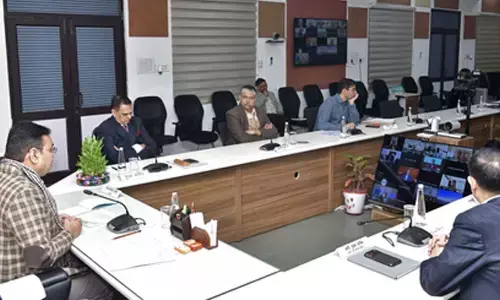
Kevadia, (Gujarat): The Ministry of Education concluded a two-day Vice Chancellor's Conference of Central Universities at Kevadia, Gujarat, held from July 10–11, 2025, focusing on the strategic implementation of the National Education Policy (NEP) 2020. The event brought together senior ministry officials and vice chancellors of top central universities from across the country.
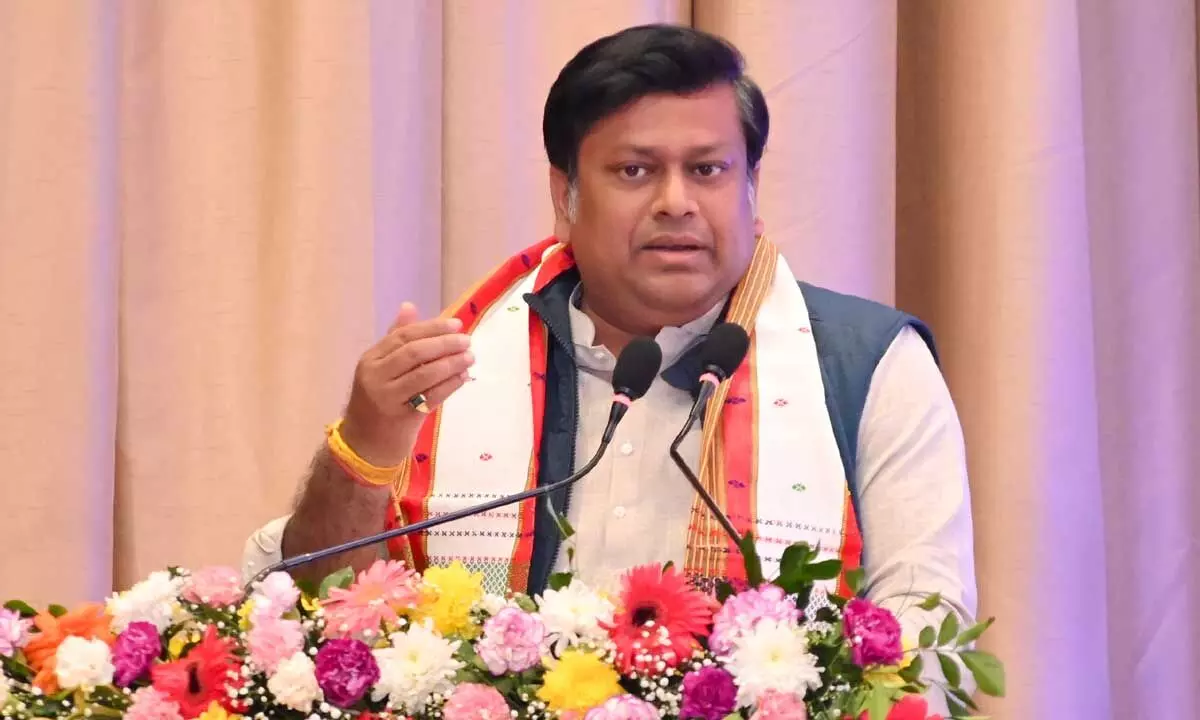
Speaking at the closing session, Dr. Sukanta Majumdar, Minister of State for Education, emphasized that Vice Chancellors are the torchbearers of the country's intellectual destiny. Quoting Sardar Patel, he stressed the transformative power of unity, discipline, and education in nation-building. Dr. Majumdar outlined NEP 2020 as a visionary policy rooted in Indian civilizational ethos, highlighting its role in promoting women's education, multilingualism, and technology integration.
He said that the Female enrolment rose from 1.57 crore in 2014–15 to 2.07 crore in 2021–22 (32% rise). The NEP-enabled multilingual exams (JEE, NEET, CUET) in 13 languages. Besides, SWAYAM: 9 lakh certificates issued annually; 295+ universities on board, and the ABC platform: 2.75 crore students, 1,667 HEIs registered.
Secretary (Higher Education) Dr. Vineet Joshi emphasized institutional readiness and called for structural shifts through the swift adoption of frameworks like NHEQF, NCrF, and the Four-Year Undergraduate Programme (FYUP). He underlined the importance of blended learning, digital inclusion, agile university governance, and strategic use of platforms like SAMARTH, SWAYAM, and APAAR.
The event emphasized integrating Indian Knowledge Systems (IKS) and Bhartiya Bhasha into higher education. Universities were encouraged to set up language labs, knowledge clubs, and incubation centers, promoting the country's academic and cultural identity.
Universities agreed to prepare strategy papers with themes including IKS mainstreaming, technology-driven education, multidisciplinary integration, and skilling/up-skilling initiatives aligned with the Viksit Bharat 2047 vision.
The conference opened with a morning yoga session, emphasizing holistic well-being as envisioned in NEP 2020. Participation from institutions such as Delhi University, JNU, Visva-Bharati, BHU, Jamia Millia Islamia, IGNOU, Nalanda, TISS, SAU, Tripura University, and others reflected the diversity and unity of India’s educational landscape.