




Goa SIR Row: 97 Eligible Voters Left Out Of Final Roll, Opposition Questions ECINet System
In Short
- A report says 97 voters cleared by local election officers were left out of the final electoral roll.
- Opposition parties have questioned the Election Commission’s centralised ECINet system.

Share :
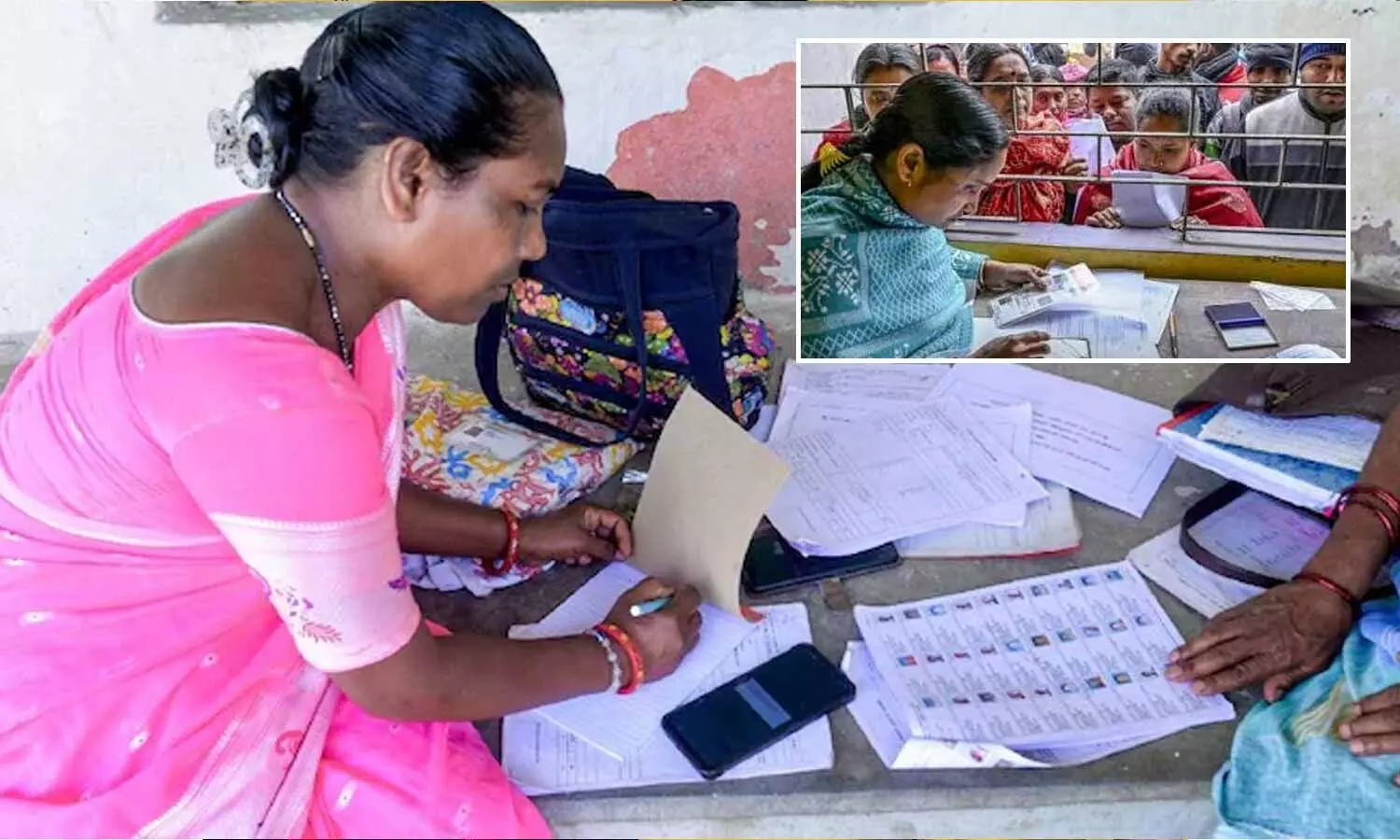
Goa SIR Row: 97 Eligible Voters Left Out Of Final Roll, Opposition Questions ECINet System
The Opposition has stepped up its criticism of the Election Commission after a report alleged that 97 voters in Goa, despite being found eligible by local Electoral Registration Officers (EROs), were not included in the final electoral roll following the Special Intensive Revision (SIR).
The controversy centres on the Election Commission’s ECINet electoral-roll software, which, according to the report, did not allow Goa’s ground-level election officials to reverse earlier deletion decisions.
97 Goa Voters Left Out Despite Being Found Eligible
An investigation by The Indian Express reported that 97 voters had been examined by local EROs and found eligible for inclusion in the 2026 final electoral roll.
However, their names remained absent from the final list published on February 21, according to the report. The newspaper said it checked all 97 names and found that they were still missing from the electoral roll as of September 20.
The voters had reportedly been flagged during the SIR process over what election authorities described as “logical discrepancies.” After the prescribed process, including examination of documents and objections, the local EROs determined that the voters should be included.
The reported difficulty arose when officials attempted to record those decisions in the electoral-roll system.
Goa Officials Sent Eight Emails Seeking Rollback Facility
According to the report, the Goa Chief Electoral Officer's office sent eight emails over seven days seeking a facility that would allow the earlier deletion decisions to be reversed.
The requests were reportedly made between February 11 and 17, ahead of publication of the final electoral roll on February 21. The required facility was allegedly not enabled before the final list was released.
The issue has raised questions over the extent to which local EROs could modify or restore voter records through ECINet after making decisions during the SIR process.
Goa Chief Electoral Officer Sanjay Goel, when questioned by India Today TV about the matter, said he did not have information about the case and would check his report before responding.
Congress Targets Election Commission
The development triggered fresh criticism from Congress leaders, who linked the Goa case to their broader allegations concerning the functioning of the Election Commission and the management of electoral rolls.
Congress leader Jairam Ramesh argued that EROs have statutory responsibility concerning electoral rolls under the Representation of the People Act. He alleged that restricting their access to the ECINet system amounted to an excessive centralisation of the process.
Ramesh also renewed the Congress's demand for the resignation of Chief Election Commissioner Gyanesh Kumar, while alleging that the reported incident demonstrated problems with the election process.
Senior Congress leader Shashi Tharoor also described the reported exclusion of the voters as serious and called for corrective action, including restoring the affected voters' names.
These are political allegations made by Congress leaders and have not been established as independent findings against the Election Commission.
EC Disputes Claims Of Internal Disagreement
The Goa controversy comes amid a wider dispute over the Election Commission's handling of the SIR and electoral-roll systems.
An earlier Indian Express report alleged that Election Commissioners Sukhbir Singh Sandhu and Vivek Joshi had formally raised objections on multiple occasions over issues including voter-registration forms, deletion and restoration of names, and the increasing centralisation of electoral-roll software.
The Election Commission, however, has rejected the suggestion that such internal deliberations amounted to a split within the three-member body. The poll panel said that differences of opinion and suggestions are part of internal discussions and maintained that all decisions, including those relating to the SIR, were taken unanimously with the approval of all three commissioners.
The Commission's position therefore differs from the interpretation put forward in reports and by Opposition parties regarding the significance of the internal objections.
Goa Case Adds To Wider SIR Controversy
The 97-voter case has emerged as part of a broader political and administrative debate over the use of centralised digital systems in maintaining electoral rolls.
The immediate issue in Goa is whether eligible voters whose cases were cleared by local officials could be restored to the electoral roll when the software did not provide the required functionality.
The episode has also renewed questions about the balance between centralised control of electoral databases and the statutory role of ground-level election officials. The Election Commission's response to the broader controversy remains that its final decisions, including the SIR-related measures, were approved unanimously.


