GST Council Meeting 2025: Major GST Reforms with 2 Slab Structure, Tax Cuts on Essentials, Higher Rates on Luxury Goods

GST Revamp: What Gets Cheaper, What Gets Costlier; Industry Reacts
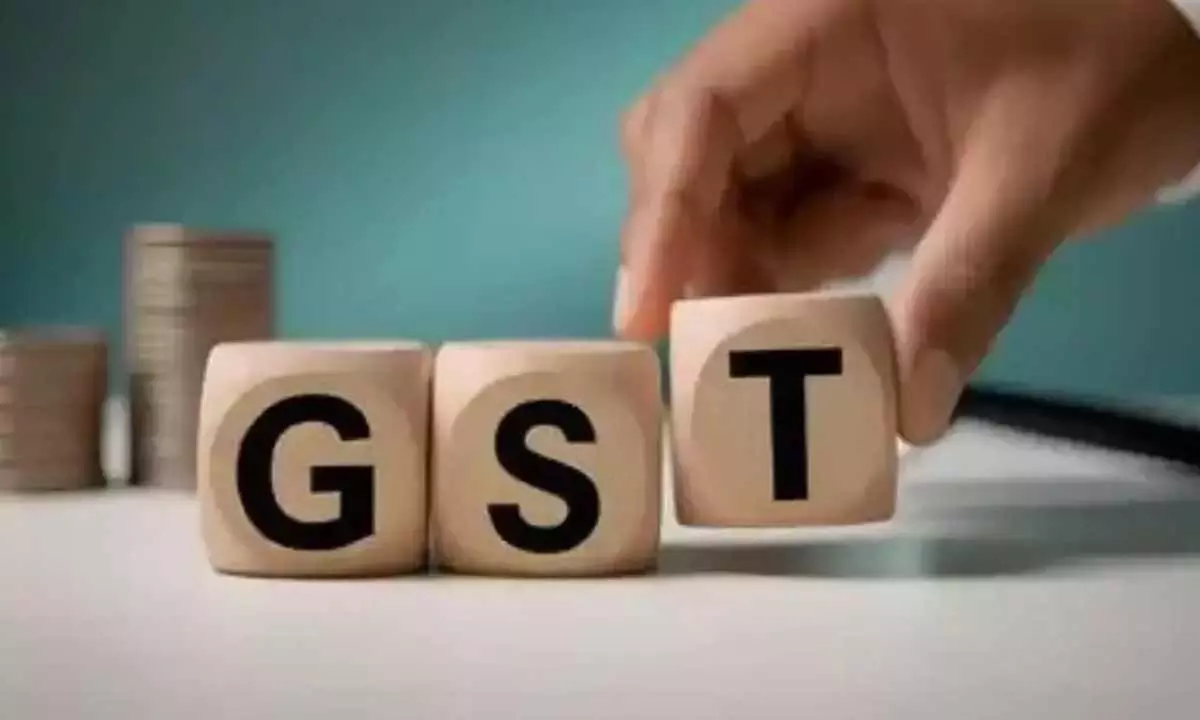
GST Council meeting 2025 may approve GST 2 slab structure with tax cuts on essentials, cheaper electronics, and higher taxes on luxury goods.
The GST Council meeting starting today is expected to take up one of the biggest overhauls of India’s indirect tax system since GST began in 2017. The Centre has put forward a plan called the GST 2 slab structure, which would reduce the current four tax rates (5%, 12%, 18%, and 28%) to just two – 5% and 18%.
If the proposal is approved, most goods currently taxed at 12% will move to the lower 5% slab. This includes everyday items like ghee, nuts, packaged drinking water, medicines, medical devices, namkeen, bicycles, umbrellas, and even school stationery such as pencils. As a result, consumers may see a noticeable price drop in many essentials.
Electronics and household appliances may also get cheaper. Products like televisions, washing machines, and refrigerators, which now fall in the 28% category, are likely to shift to the 18% slab under the new GST reforms 2025.
However, luxury and “sin” goods could face higher levies. The Centre has proposed a special 40% slab for premium vehicles, high-end automobiles, and items like tobacco, pan masala, and cigarettes. The government is also considering an additional cess on these products to balance revenue.
Electric vehicles (EVs) are another focus area. While the Centre wants to keep EVs at 5% GST to encourage adoption, discussions are ongoing about whether luxury EVs should face higher taxes.
Not all states are happy with these changes. Several opposition-ruled states have raised concerns that GST tax cuts will reduce their revenues. They are demanding a compensation plan, especially since the earlier revenue support scheme ended in 2022.
The GST Council decisions will be closely watched, as this reform promises cheaper essentials and electronics but higher costs for luxury and demerit goods. If passed, this would mark the most significant restructuring of GST since its launch.