High Court Judge Seeks Anonymity In Supreme Court Challenge To Removal Proceedings

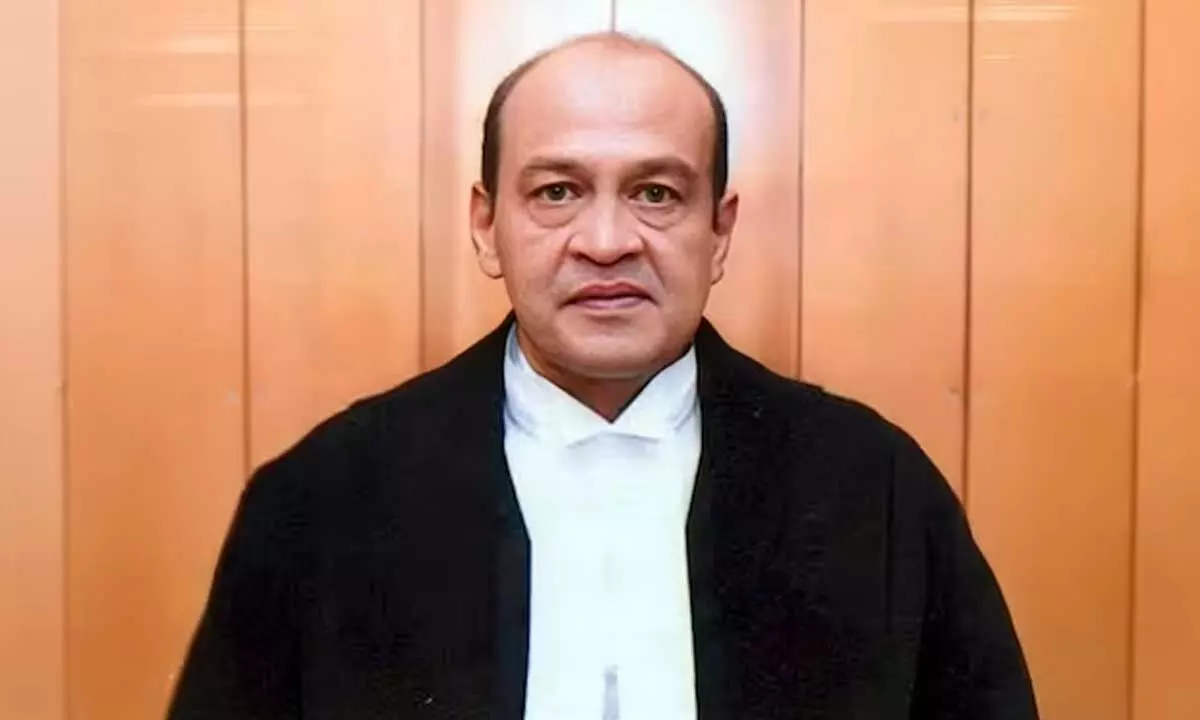
Justice Yashwant Varma files Supreme Court petition as "XXX vs Union of India" to conceal identity while challenging inquiry panel findings that recommended his removal following cash discovery at residence.
Justice Yashwant Varma has taken the extraordinary step of concealing his identity in a Supreme Court petition challenging the findings of an inquiry panel that recommended his removal from judicial office. The case appears on the Supreme Court's cause list as "XXX vs The Union of India," with the judge requesting permission to maintain anonymity in his legal challenge.
The unusual request for identity concealment comes from a High Court judge who faces potential impeachment proceedings after a substantial amount of cash was discovered at his official residence in New Delhi. The anonymity designation "XXX" is typically reserved for sensitive cases involving sexual assault survivors, rape victims, or matters concerning juveniles and minors to protect their identities from public exposure.
Justice Varma's petition to the Supreme Court seeks to quash both the in-house inquiry report and the former Chief Justice of India's recommendation for his removal from office. The judge argues that revealing his identity at this stage would cause irreparable damage to his reputation and dignity, particularly since the allegations against him remain unproven.
The controversy surrounding Justice Varma began on March 14 when a fire broke out at his official residence in Delhi. During the incident, authorities discovered a large cache of cash at the property, though the judge was not present at his residence when the fire occurred. This discovery triggered a comprehensive investigation into the judge's conduct and financial dealings.
Following the cash discovery, the Supreme Court established an in-house inquiry panel to investigate the circumstances surrounding the incident. After conducting its examination, the panel concluded that there was "sufficient substance" in the allegations leveled against Justice Varma. The inquiry determined that both the judge and his family members had active control over the room where the substantial cash amount was found.
Based on these findings, the inquiry panel recommended Justice Varma's removal from judicial office, setting in motion the complex process of judicial accountability. The judge was subsequently transferred from his position to the Allahabad High Court while the proceedings continued.
In his Supreme Court petition filed on July 18, Justice Varma challenges both the inquiry process and its conclusions. He contends that the investigation was fundamentally flawed in its procedures and relied exclusively on presumptive questioning rather than formal complaints or substantial evidence. The judge argues that the inquiry lacked proper procedural safeguards and failed to meet the standards required for such serious allegations.
Justice Varma emphasizes in his petition that the confidential nature of in-house judicial inquiries was specifically designed to protect sitting judges from premature public exposure and reputational damage. He argues that maintaining this confidentiality is essential to preserving judicial independence and ensuring fair proceedings for judges facing disciplinary action.
The judge has expressed particular concern about previous media leaks of confidential documents related to the in-house inquiry, which he claims have led to distorted and prejudicial reporting about his case. He argues that these unauthorized disclosures have already compromised his reputation and that further public exposure through court proceedings would compound this damage.
Justice Varma's request for anonymity represents a significant departure from standard judicial practice, where legal proceedings typically involve full disclosure of party identities. The unusual nature of this request highlights the sensitive balance between judicial accountability and protection of individual rights within the legal system.
The case raises important questions about the procedures governing judicial discipline and the extent to which sitting judges should be protected from public scrutiny during inquiry processes. The Supreme Court's decision on the anonymity request could establish important precedents for future cases involving judicial conduct and accountability.
The timing of Justice Varma's petition coincides with ongoing parliamentary discussions about potential impeachment proceedings against him. The Lok Sabha has reportedly formed a panel to examine the proposal for his impeachment, adding another layer of complexity to the judicial and political processes surrounding his case.
Legal experts note that the combination of the cash discovery, inquiry panel findings, and subsequent legal challenges creates a complex web of procedural and substantive issues that the Supreme Court will need to navigate carefully. The court must balance the principles of judicial accountability with due process protections and the presumption of innocence.
The outcome of Justice Varma's Supreme Court petition could have significant implications for judicial discipline procedures and the balance between transparency and confidentiality in cases involving judicial conduct. The court's handling of both the anonymity request and the substantive legal challenges will likely influence future approaches to judicial accountability mechanisms.
The case also highlights broader questions about financial transparency and ethical standards within the judiciary, particularly regarding the possession and control of large cash amounts by judicial officers and their families.