




Jammu Kashmiri Pandit Camps To Get Rs 82.45 Crore Infrastructure Upgrade
In Short
The Jammu and Kashmir government has approved Rs 82.45 crore for repairs and infrastructure upgrades across Kashmiri migrant camps, covering around 5,000 flats and more than 200 building blocks.

Share :
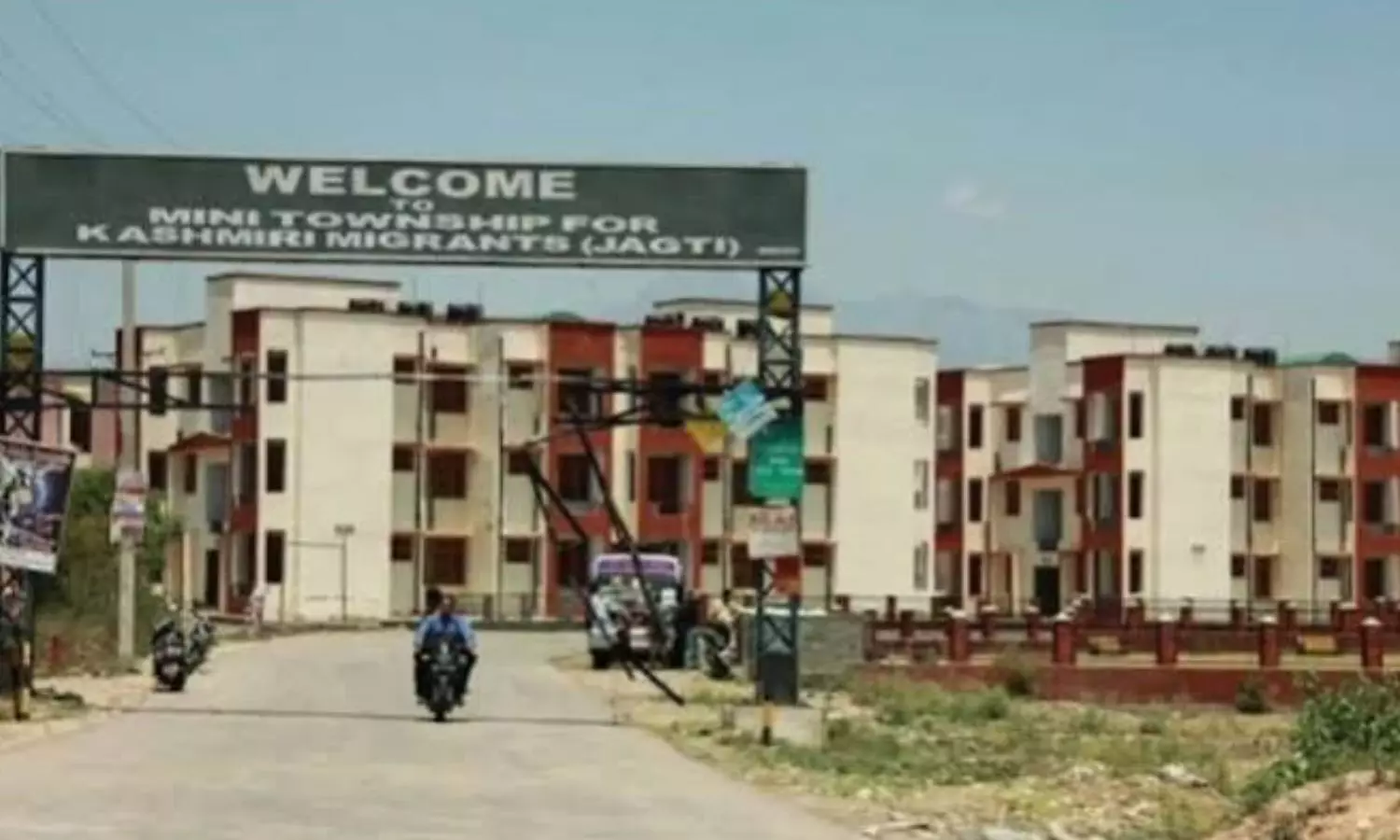
Jammu and Kashmir government has approved an infrastructure and repair programme worth Rs 82.45 crore
The Jammu and Kashmir government has approved an infrastructure and repair programme worth Rs 82.45 crore for migrant camps housing displaced Kashmiri Pandit families in Jammu.
The project will cover more than 200 building blocks and around 5,000 flats, along with community halls and other common facilities. Officials said the initiative is aimed at addressing long-standing maintenance and infrastructure requirements in the camps.
Repairs Planned Across Migrant Camps
According to Relief and Rehabilitation Commissioner (Migrants) Arvind Karwani, the Public Works Department (Roads and Buildings) has started major repair and renovation work across the migrant settlements.
The programme includes repairs to residential buildings and community facilities. Authorities are also preparing plans to improve internal roads and lanes, parks, migrant schools, health dispensaries and the Sub-District Hospital at Jagti.
Karwani, during an inspection of development works at the Jagti and Nagrota migrant camps, directed officials to conduct structural audits of the buildings and maintain quality standards while carrying out the repairs.
Officials have also been asked to consult residents and camp commandants during the implementation of the projects.
Water Supply To Be Strengthened
The government is also looking at measures to address water-related problems in the camps.
Officials from the Jal Shakti Department have been directed to ensure regular drinking-water supplies and arrange tankers whenever shortages occur.
For a longer-term solution, the department has proposed a project estimated at around Rs 10 crore to augment water supply infrastructure in Jagti township.
Karwani also instructed officials to conduct water-quality tests regularly to ensure that residents have access to safe drinking water.
Sewage Treatment Plants Planned
Sewage infrastructure is another part of the upgrade programme.
Sewage Treatment Plants (STPs) with an estimated cost of Rs 11.5 crore have been finalised for the migrant camps at Nagrota, Muthi-Buta Nagar and Purkhoo.
The facilities are being planned along the lines of the STP already operational at Jagti township, with work expected to begin shortly.
Community Halls To Support Social And Cultural Activities
The government is also preparing to construct multi-purpose community halls across the migrant camps at an estimated cost of around Rs 20 crore.
Officials said the proposed facilities are expected to provide space for self-help groups, particularly women’s groups, libraries for students and activities linked to Kashmiri culture and heritage.
Tender-related formalities for the project are reportedly in their final stages.
Welfare Scheme Outreach Expanded
The administration is simultaneously working to connect migrant families with government welfare programmes.
Officials said nearly 3,000 families have benefited from social-sector schemes following the digitisation and integration of migrant ration cards with the national database.
Another round of outreach camps is scheduled to begin from September 30 at different locations in Jammu. These camps will assist eligible beneficiaries with applications for welfare, self-employment and skill-development schemes.
Senior officers have also been directed to make regular visits to the camps, monitor development projects and address residents’ grievances, including matters concerning immovable properties in the Kashmir Valley.
Long-Pending Infrastructure Demand
Many migrant settlements in Jammu were established during the rehabilitation process following the displacement of Kashmiri Pandit families, with several major camps developed between 2004 and 2011 under the Prime Minister’s Reconstruction and Rehabilitation Programme.
Officials said the latest programme represents a major repair initiative for these settlements, where residents have been seeking improvements to ageing buildings and common infrastructure.
The government’s latest intervention is therefore aimed at upgrading residential facilities as well as basic services and community infrastructure across the migrant camps.


