KumbhMela 2025: Akharas and Their Role in the Basant Panchami ShahiSnan Ceremony

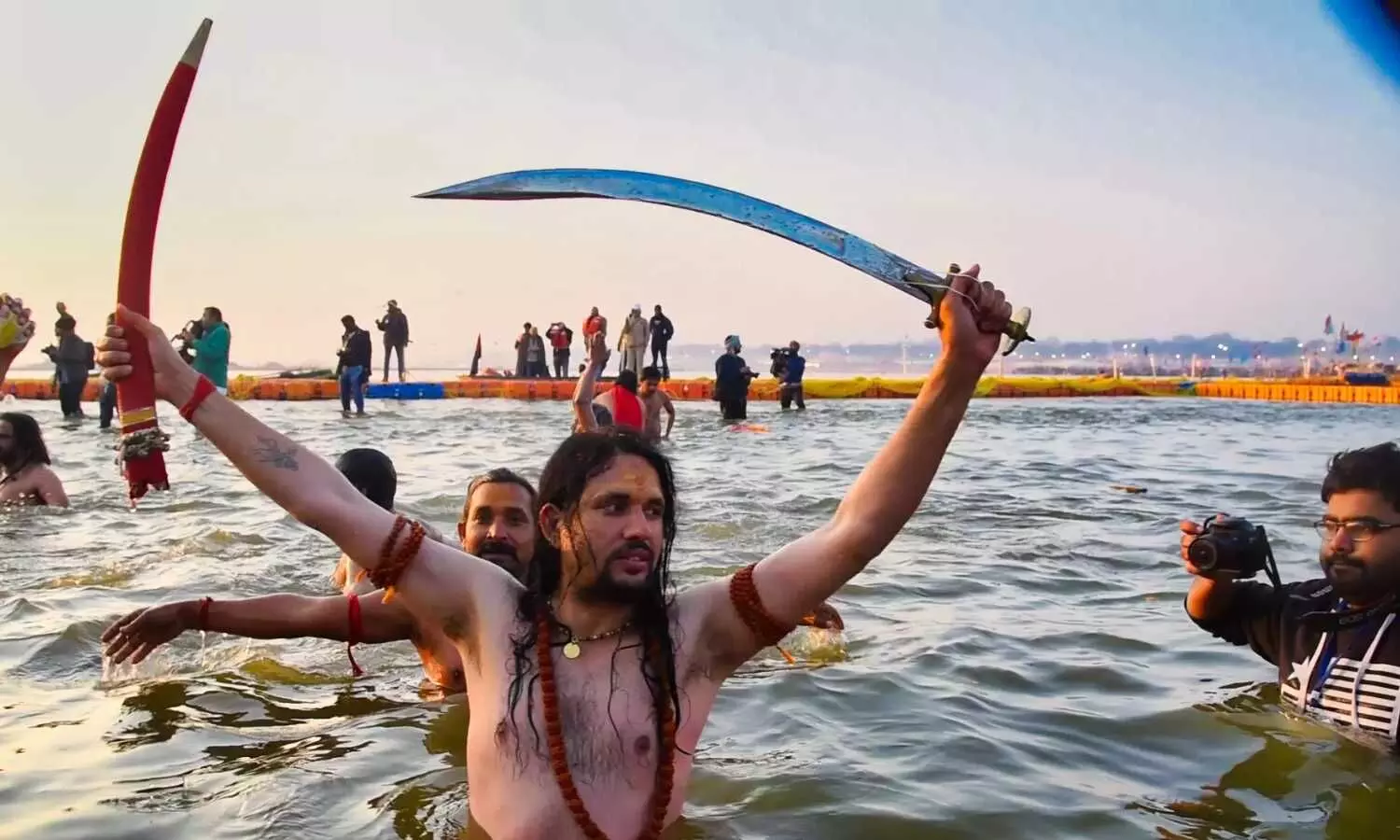
Akharas' role in Basant Panchami ShahiSnan at KumbhMela 2025: A journey of faith and tradition.
The KumbhMela is one of the largest pilgrimages on Earth and occurs once 12 years at the 4 holy towns Haridwar, Ujjain, Nashik and Prayagraj and (PrayagrajKumbh 2025) and The dates for this gigantic fair are January 13 to February 26 in Prayagraj where seasonal numerous followers check out to accomplish spiritual cleanliness. Out of these, the Kumbh Mela 2025 Akharas for which the ShahiSnan (Royal Bath) is being carried out in the Sankam of Ganga, Yamuna and SagunakalaSaraswati (TriveniSangam) will be accorded special significance on February 3 on the day of BasantPancami.
The Akharas are central to this tradition, bringing together saints, ascetics, and monks who preserve and pass down sacred Hindu knowledge and rituals. At the heart of this tradition are the Akharas, which gathers saints, ascetics, and monks who conserve and propagate sacred knowledge and rituals of Hinduism.
The Akharas and Their Spiritual Importance
Akharas are Hindu monastic orders, each with its own spiritual, philosophical, and martial lineages. They help propel the religious life, teach monks to meditate and practice austerities, and practice and retain the Hindu way of life.
There are 13 major Akharas, categorised into three sects:
- Shaiva Akharas – Devoted to Lord Shiva
- Vaishnava Akharas – Followers of Lord Vishnu
- UdaseenAkharas – Focused on renunciation and detachment
Some of the most influential Akharas include:
- JunaAkhara – One of the largest and most prominent, known for its fierce Naga Sadhus.
- MahanirvaniAkhara – Highly disciplined, with strong yogic traditions.
- NiranjaniAkhara – Rich in philosophical teachings and spiritual practices.
- NirmohiAkhara – Devoted to Vaishnavism and temple traditions.
- DigambarAkhara – Emphasizes strict renunciation and detachment from material life.
The experiences of each Akharas in Kumbh Mela 2025 can vary widely, as each follows its own unique traditions and lineage, further enriching and diversifying the KumbhMela.
Basant Panchami and Its Significance
The arrival of spring is celebrated as Basant Panchami Shahi Snan 2025 which is also properly dedicated to Goddess Saraswati, the goddess of music, wisdom, learning This is celebrated by devotees wearing yellow clothes, praying, and singing and reading Qawwali.
At KumbhMela, the day of Basant Panchami is exceptionally special as thousands of sadhus, saints, and pilgrims visit this place on the date of a major ShahiSnan. The Akharas are at the forefront of the daily ritual of sacred bathing, re-establishing their spiritual station.
The ShahiSnan: A Sacred Ritual
The largest of its kind KumbhMela has the ShahiSnan (Royal Bath) as the biggest feature of the Kumbh Mela 2025 significance. Bathing here in the TriveniSangam is thought to be a purgative for sins
Preparations and Rituals
- Processions Before Dawn: The Akharas, escorted by their Mahamandaleshwars (spiritual leaders), begin their trek to the Sangam before sunrise.
- Stalwart Parades: Elephants, horses, and chariots carrying saints — the devout make a grand show of faith.
- The First Bath Led By Naga Sadhus: The first bath is led by the Naga Sadhus, distinguishable by the ashes on their bodies and their ferocity.
- Spiritual Environment: The environment is charged with Vedic mantras, sound of conch shells and devotional songs.
The role of Akharas in Basant Panchami Shahi Snan bathes in retaining a particular sequence of precedence with the most senior Akharas dipping into the waters with no vestige of delay. This order has been preserved through the centuries and is representative of their spiritual hierarchy.
The Role of Akharas in the ShahiSnan
One of the mainline pilgrim groups should be the Akharas which are the torchbearers of this pious tradition, leading the rest of the pilgrims. Their involvement represents spiritual power, discipline, and communion with the divine.
- JunaAkhara – The first to bathe, leading the grand procession.
- MahanirvaniAkhara – Known for deep meditative practices and yogic discipline.
- NiranjaniAkhara – Engages in devotional singing and philosophical discussions.
- Nirmohi and DigambarAkharas – Conduct elaborate prayers and chants before entering the waters.
ShahiSnan is a complete surrender in spirit, where every plunge is a symbolic cleansing of the soul.
Spiritual and Cultural Impact of the Shahi Snan 2025 rituals
Spiritual Benefits
- Purification of the Soul: Bathing in the TriveniSangam is believed to wash away past sins.
- Attainment of Moksha: Participating in the ShahiSnan is considered a step toward liberation from the cycle of rebirth.
- Strengthening of Faith: Witnessing the Akharas’ discipline and devotion inspires millions to deepen their spiritual path.
Cultural and Social Significance
- Preservation of Hindu Traditions: The rituals and practices of the KumbhMela continue an unbroken tradition spanning thousands of years.
- Unity Among Devotees: People from all walks of life gather, fostering a sense of belonging and shared faith.
- Global Recognition: The grandeur of the KumbhMela attracts scholars, spiritual seekers, and tourists worldwide.
Conclusion
In the context of the KumbhMela 2025 significance in Prayagraj, the ShahiSnan on Basant Panchami will be one of the major highlights showcasing the spiritual ethos of India. The event will be led by Akharas — which are centuries old institutions where saints, sages and priests live and work together — in their single-minded focus on protecting the earth, as they have been living hundreds of years in line with ancient Indian traditions, & that will continue to convey all the days of our lives by hundreds of millions of Hindu saints and sages.