




- Maha: Congress slams MahaYuti govt over drought inaction
- US bill targets South Asian heart risk
- EAM Jaishankar launches lightning round of diplomacy meeting France FM
- US delays India stainless pipe duty ruling
- India joins G20 energy consensus
- US, Japan, South Korea boost tech ties
- Senators seek probe of DHS voter searches
- Pakistan kills Afghan civilians in fresh attack, needs change in strategy: Former US diplomat
Maha govt forms AI, data analytics governance committee for higher education
In Short
The Government Resolution (GR), issued late Monday evening, marks a pivotal move aligned with the National Education Policy (NEP) 2020 and state IT and cybersecurity directives.

Share :
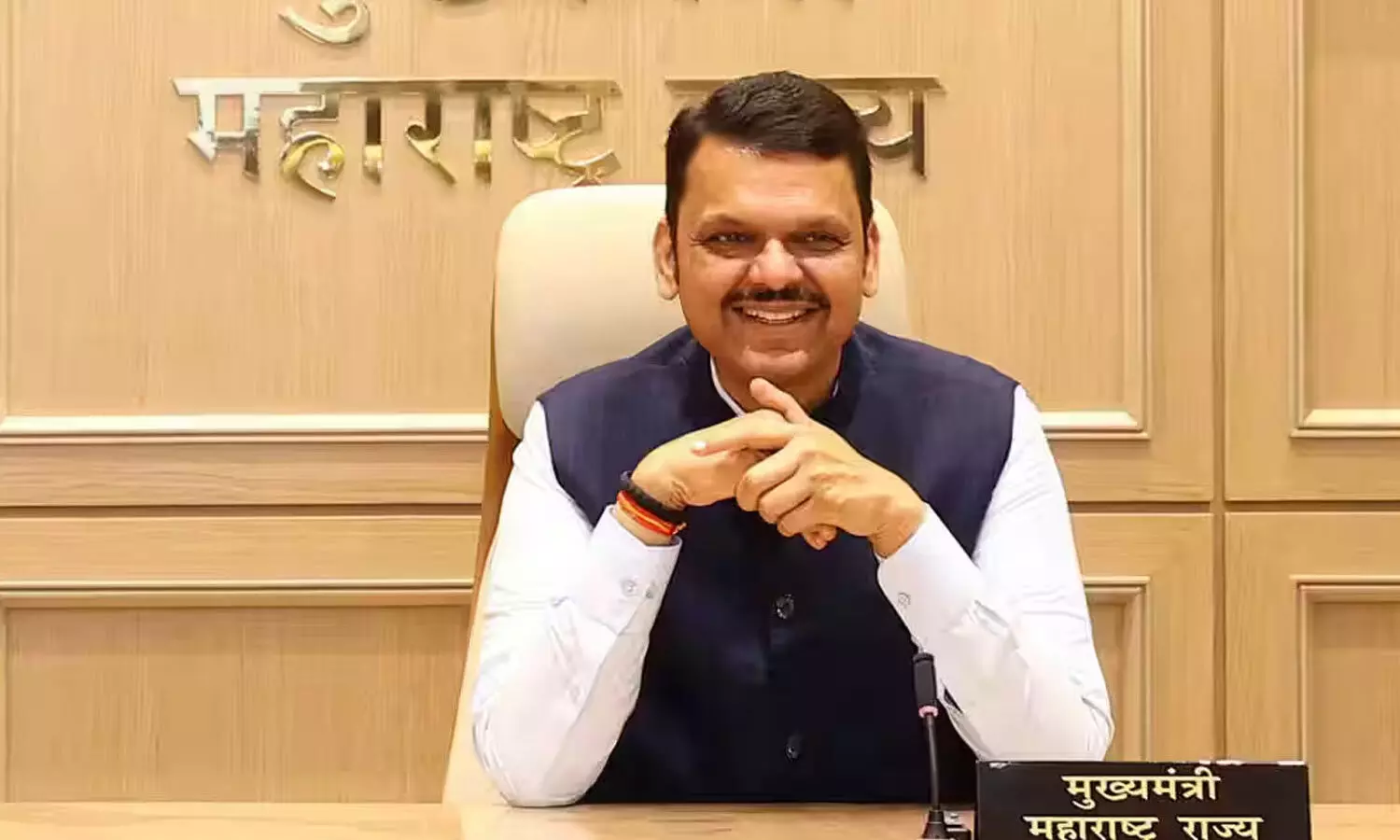
Devendra Fadnavis
Mumbai: In a major push toward integrating cutting-edge technology into governance, the Higher and Technical Education Department of Maharashtra on Monday constituted a high-level “AI, Data Analytics & Dashboard Governance Committee.”
The initiative aims to harness Artificial Intelligence (AI), predictive analytics and automated decision-support systems across higher education institutions in the state.
The Government Resolution (GR), issued late Monday evening, marks a pivotal move aligned with the National Education Policy (NEP) 2020 and state IT and cybersecurity directives.
Prof Rajnish Kamat, Vice-Chancellor of Shivaji University, Kolhapur, heads the newly established governance panel. It comprises top administrators, technical experts and systems analysts from various state educational bodies. Members include Shrikant Pulkundwar (Joint Secretary, Higher & Technical Education Dept), Pratap Lubal (Joint Secretary), Ashok Mande (Deputy Secretary), Amol Mutyal (Deputy Secretary), Umesh Kokate (System Manager, Directorate of Technical Education, Mumbai), Narendra Patil (System Analyst, Directorate of Technical Education, Mumbai), Swapnil Korade (Statistical Officer, Directorate of Higher Education, Mumbai), Kunal Patil (Special Executive Officer, Maharashtra State Board of Technical Education, Mumbai) and Member Secretary Prashant Visalkar (Project Manager, Directorate of Higher Education, Mumbai).
The state government highlighted that the current Dashboard Portal, which centralises data across student enrolments, examinations, university affiliations, scholarships, public libraries and research journals, must transition from basic reporting into a data-driven, evidence-based decision-support system.
Key responsibilities assigned to the committee include: Formulating long-term AI strategies and identifying priority use cases; Establishing frameworks based on feasibility, cost, risk and readiness; Exploring deployment of Generative AI, Agentic AI, Machine Learning (ML), Optical Character Recognition (OCR), Computer Vision, Anomaly Detection and Natural Language Processing (NLP); Standardising data, classification, metadata and interoperability across multiple state platforms such as e-Office, MahaDBT, AISHE, NOC Portal, MIS and Sevarth; Developing automated trend analysis, risk forecasting and real-time decision-support modules for state leadership.
The committee will ensure strict compliance with cybersecurity, data privacy, personal data protection laws, human oversight and transparent, ethical AI usage. It will also suggest specialised training programmes in AI, Generative AI and digital transformation for department officials and staff.
The committee is mandated to meet at least once every three months to review progress. External subject matter experts and technology institution representatives may be invited as special attendees. The committee may set up specialised Technical Working Groups or Sub-Committees for focused domains like Cyber Security, Cloud Infrastructure and Analytics.
Quarterly progress reports will be submitted to the Additional Chief Secretary, Principal Secretary or Secretary of the Higher and Technical Education Department. Initially constituted for a three-year term, the committee will operate as a regular administrative body without additional honoraria or allowances for members.
Approved project expenditures will be funded via existing budgetary allocations under standard financial rules. Final approvals regarding policy implementation, financial procurement, system integrations and data sharing will remain under the jurisdiction of the Government of Maharashtra.
India studying new US law on sanctions against Russian oil buyers: Piyush Goyal
Neradi barrage row: Mahamancha seeks protection of Odisha’s water and land rights
Kalinga Ghat closed
President Murmu arrives in Ekta Nagar ahead of 72nd National Film Awards
Tamil Nadu to expand free bus travel for women from Oct 2
Prez Murmu arrives in Gujarat for three-day visit, heads to Kevadia


