






Modi to India Inc: Break Out of Comfort Zone, Compete with the World
In Short
Addressing the industry body FICCI' Annual General Meeting and Annual Convention, the prime minister also asked corporates to focus on making India self-reliant, and urged them to invest heavily in agriculture and allied sectors.

Share :
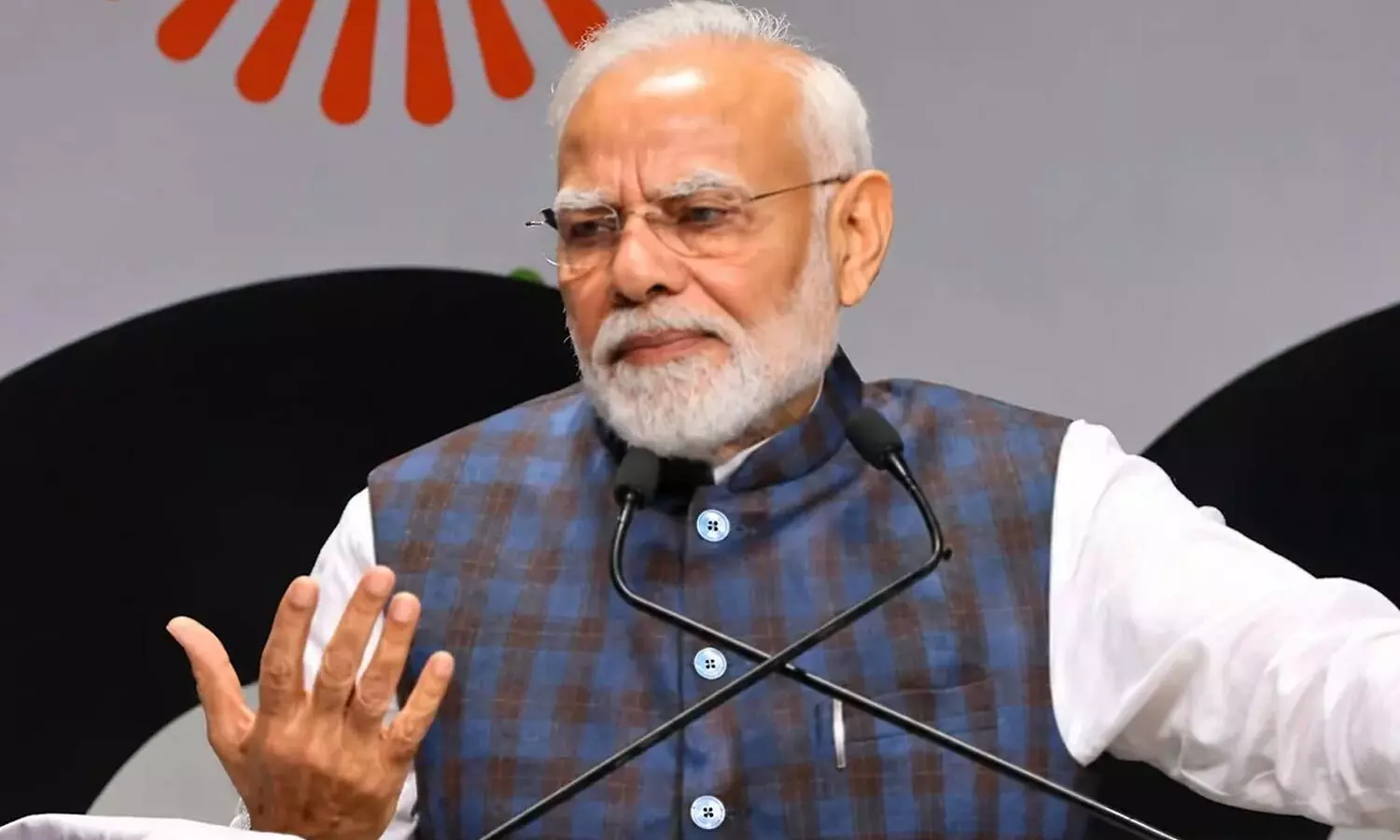
Prime Minister Narendra Modi
Prime Minister Narendra Modi on Thursday called upon India Inc to stop thinking that the domestic market was a safe and comfortable business destination and give way to a more ambitious global outlook. Gone is the era of the comfort zone. It's time to raise their aspirations, sharpen their competitiveness and prepare to take on the world.
Addressing the industry body FICCI' Annual General Meeting and Annual Convention, the prime minister also asked corporates to focus on making India self-reliant, and urged them to invest heavily in agriculture and allied sectors.
He said the challenge, he underscored, is to make Indian products, brands and businesses formidable players in the global marketplace. He called upon the FICCI to suggest, without hesitation, more reforms needed for the country’s further growth.
"This is not the old government. This is a government of friends. It knows how to honour friendship, and you are my true friends. So, without hesitation or reservation, please write to me openly about what still needs to be improved," the prime minister said.
The Prime Minister took a jibe at the opposition without naming anyone that the country cannot develop or grow unless due respect was shown to Industry, youth, and all sections of people. Abusing day in and day out will not help in the development of the country.
The PM highlighted the achievements of his government in the last 12 years and said India’s pace of progress was very fast, and at the same time, the speed at which people are moving out of poverty is also very fast.
Citing the latest World Bank report, Modi said in just 12–13 years, 50 crore people have overcome poverty. He also referred to the basic corporate tax rate, which has been reduced from 30 per cent in 2014 to 22 per cent, and individual income of up to Rs 12 lakh a year is also tax-free.
While the government has reduced the corporate tax, he asked if the industry has increased the strength of employees and raised their wages. He took a dig at the industry, saying that he understands their hunger and hence they do not clap when he refers to the reduction of taxes. “You people want more and more,” he said.
Taking a jibe at past regimes, Modi said the industry's experience with previous governments has been so bitter that he has to bear the consequences.
He asked the industry to make 'India First' the foundation of every long-term investment decision over the next 20 years. This will make the country self-reliant and also open up new opportunities for your business to grow.
Modi said India has been entering into several bilateral trade agreements, and it is for the industry to make the best use of it. The industry should map the requirements, particularly of the developing countries. He said Agri food has tremendous scope and industry should focus on manufacturing world-class products. Similarly, he said machines, machine tools, irrigation systems, etc also have a tremendous export market, he added.
The industry body currently represents more than 2.5 lakh companies across the public, private and multinational sectors, both directly and through over 300 affiliated regional and state-level industry associations.
FICCI also has partnership agreements with 250 national business associations across more than 100 countries, providing it with an international network for business and industry engagement.
The 'Bharat 2047' theme comes against the backdrop of India's ambition to become a developed economy by the centenary of its Independence. The convention is expected to provide a platform for discussions on the country's economic priorities and the role of industry in achieving its long-term development goals.


