




- World Happiness summit brings together voices on happiness, health and purpose
- Upcoming Smartphone Launches in October 2026: Vivo V80, Oppo F35 Pro and More
- Three children drown to death in village pond in Jharkhand's Jamtara
- Telangana HC directs police to identify cops who allegedly misbehaved with BRS' women MLAs
- Indian Railways approves new MEMU services linking Meerut City with Khurja, Saharanpur
- BJP declares names of six candidates for Uttar Pradesh MLC elections
- Here is the list of festivals in the month of October, check here
- ‘From being doubtful to leading from front, couldn’t be happier’: Neeru’s coach Peter Wilson
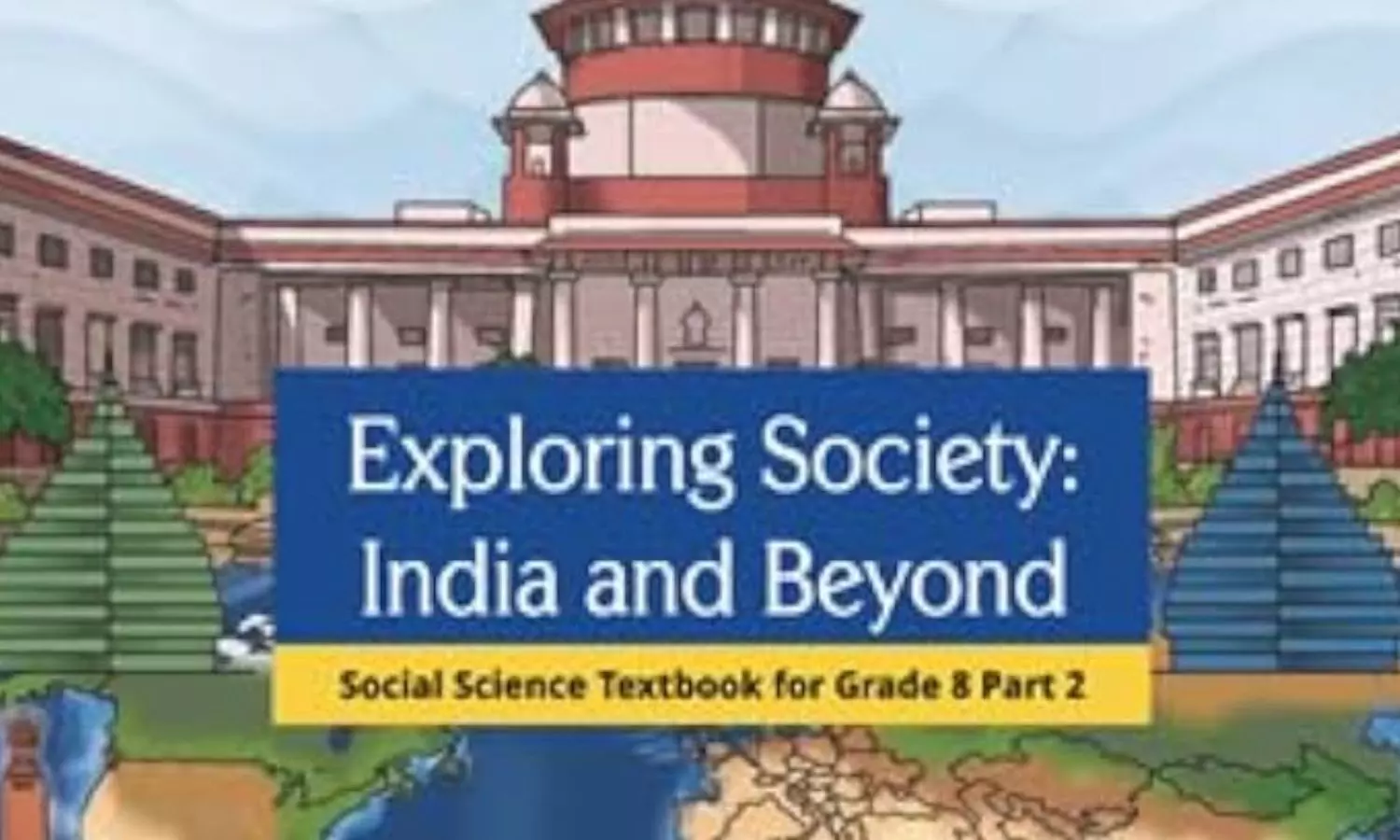
NCERT Releases "Understanding Society India and Beyond-Part 2"
In Short
This book has been conceptualised and developed in the spirit of understanding society: India and Beyond, a Grade 9 social science textbook.

Share :
NCERT Releases "Understanding Society India and Beyond-Part 2"
The NCERT on Tuesday released a book titled "Understanding Society India and Beyond-Part 2" on Tuesday, six months after the new academic session began. The first part of the textbook was released in June.
This book has been conceptualised and developed in the spirit of understanding society: India and Beyond, a Grade 9 social science textbook.
According to NCERT, the chapter titled "Resistance and Resilience", which has documented successive invasions of the Indian subcontinent since the 7th century, has also described religious traditions in warfare. It said that in India, it has been a long-standing tradition to worship goddesses Kali, Durga, and Bhavani, who are considered to be various forms of Shakti in times of conflict.
It reads, "Annamaraja, ruler of Bastar, is believed to have received his sword from Manikyadevi (Danteshvari), while Kumara Kampana (Vijayanagara) was believed to have used a goddess-given sword against the Sultanate forces at Madurai. Similarly, Shivaji is also traditionally believed to have obtained a sword from goddess Tulja Bhavani."
The chapter says the Indian subcontinent witnessed successive invasions since the seventh century driven by territorial expansion and religious motives and documents how and when Indian rulers and communities mounted resistance against Arab, Turkish, Mughal and European forces.
According to NCERT chief Dinesh Saklani, "Social Science learning at this (secondary) stage is expected to cultivate analytical and discursive abilities, encourage critical inquiry, promote intercultural understanding, and enable learners to participate with confidence and responsibility in civic and social life."


