




- CM Adhikari credits BSF-police coordination for curbing border crimes in Bengal
- SC seeks ECI response on Rahul Gandhi’s plea against SIR, flags conduct of one petitioner
- India’s ethanol supplies reach 987 crore litres by Sep end: Report
- BJP to finalise Bengal civic poll candidates by Diwali; adopts multi-tier screening, eyes professionals
- India’s pharmaceutical market posts strongest monthly growth in three years
- Reliance Digital’s #PROHappy campaign cuts iPhone 17 Pro price to Rs 56,990
- India’s passenger vehicle wholesales rise 21.8 pc to 4.54 lakh units in Sep: SIAM
- Karnataka sting Op row: Kumaraswamy dares CM Shivakumar, Priyank Kharge to arrest him
Nobody Can Intimidate the SC: ‘We Are Not Sitting in Ivory Towers’
In Short
The apex court issued notice to Rahul Gandhi, SP chief Akhilesh Yadav and others on a plea against their march to the apex court over alleged SIR irregularities, while observing that nobody can browbeat the judiciary.

Share :
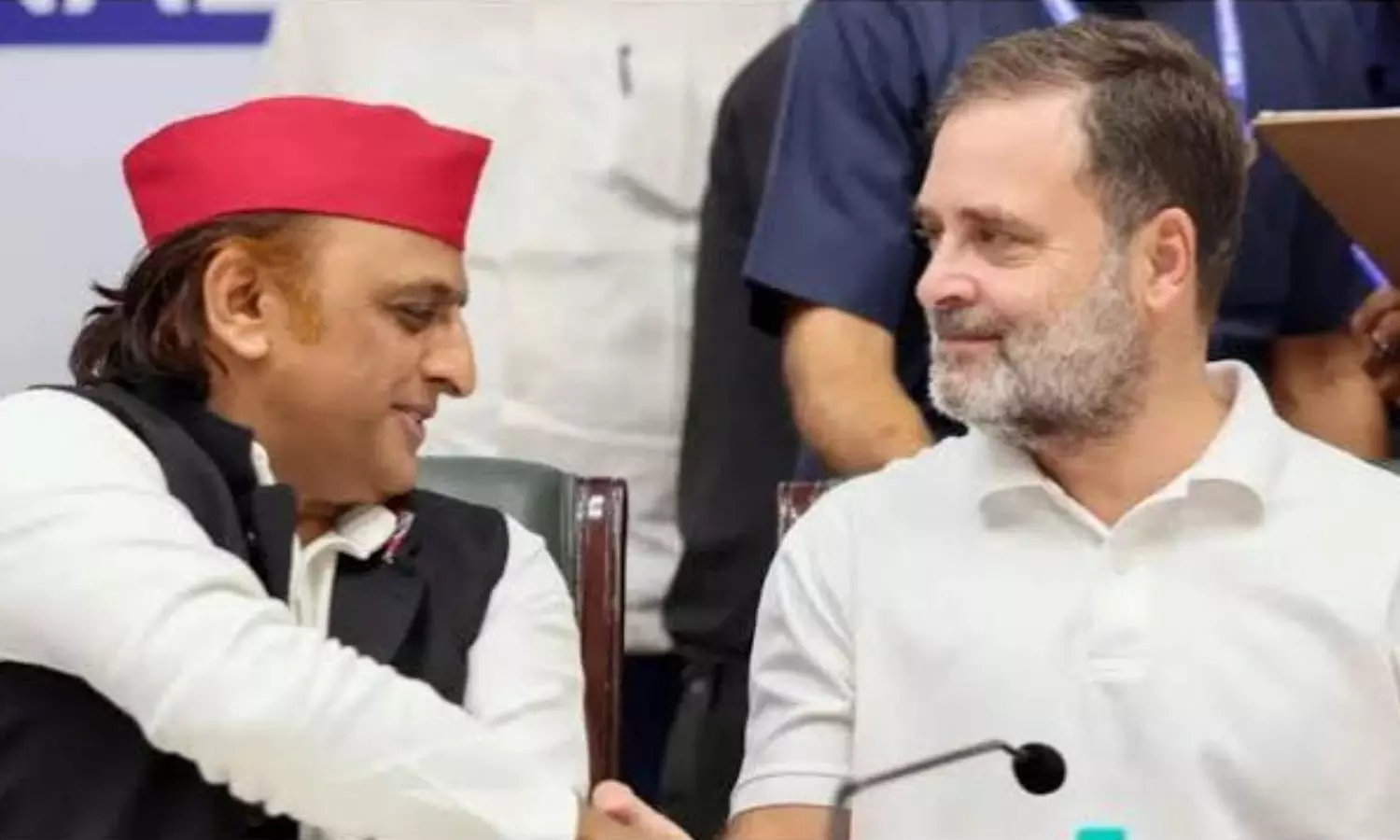
apex court issued notice to Rahul Gandhi
While the opposition parties decided to take a break from the street protests, the Supreme Court had taken up several petitions related to the SIR and alleged irregularities, as well as certain acts of the opposition parties' protests, particsularly on October 12, when the LoP Rahul Gandhi took out a rally of about 15000 party activists to the Supreme Court.
The apex court issued notice to Rahul Gandhi, SP chief Akhilesh Yadav and others on a plea against their march to the apex court over alleged SIR irregularities, while observing that nobody can browbeat the judiciary.
The Supreme Court also sought a response from the Election Commission and others on a plea filed by Congress leader Rahul Gandhi and several other opposition leaders over alleged large-scale voter deletions and SIR irregularities.
Taking up the plea filed by the opposition leaders, a bench comprising Chief Justice Surya Kant and Justice Joymalya Bagchi issued notice to the poll panel, Chief Election Commissioner Gyanesh Kumar and Election Commissioners Sukhbir Singh Sandhu and Vivek Joshi.
"We are issuing notice ...Tagging with pending cases. But we would like to ask one of the petitioners about his conduct," the bench said.
During the proceedings, there was a reference to the contempt case pertaining to an alleged violation of the apex court's direction to ensure no “complete prohibition” on Metro and train services in Delhi in the wake of the October 10 protest called by the Cockroach Janta Party and the unconditional apology tendered by Union Home Secretary Govind Mohan in a contempt matter. Solicitor General Tushar Mehta submitted that tendering an unconditional apology does not mean that actions cannot be defended and said it is a part of procedure.
Some lawyers mentioned the Congress leader's march to the apex court over the alleged irregularities in SIR. "Nobody can browbeat the judiciary. We are not sitting in ivory towers," the bench observed.
When senior advocate Gaurav Bhatia raised the issue of alleged pushing of a lady journalist who was three months pregnant, the court asked the police to preserve all the video footage and complete the investigation speedily.
On the issue of de-notification of Jantar Mantar as the designated protest site, the Supreme Court said that it had asked the government to explain the reasons but did not give any stay on the denotification order. The court said it would examine the issue.
The top court also issued notices to the Centre and others on various pleas related to the Election Commission filed by leaders like Asaduddin Owaisi.
President Droupadi Murmu praises rural women’s progress at National SARAS Mela
CM Adhikari credits BSF-police coordination for curbing border crimes in Bengal
‘Anupamaa’ actress Adrija Roy opens up about her emotional connection with Durga Puja
Arthur Gea retires from Shanghai QFs with injury; Fokina enters last-4
TG CM Revanth warns Energy Dept officials over power cuts
Rahul, Congress ecosystem want to force regime change: BJP after Neha Bora praises B’desh Gen-Z protest
President Droupadi Murmu praises rural women’s progress at National SARAS Mela
India to remain world's fastest-growing large economy for next 20-25 years: Piyush Goyal
TDP-Jana Sena-BJP seat-sharing negotiations: Talks end, outcome unclear
Prez Murmu offers prayers at Kanaka Durga Temple


