




Red Fort Blast: NIA Chargesheet Says Lal Mandir Was Bomber’s Original Target
In Short
The NIA chargesheet into the Red Fort blast reveals that Umar-un-Nabi allegedly first tried to target Lal Mandir in Chandni Chowk but changed course due to traffic and police presence.

Share :
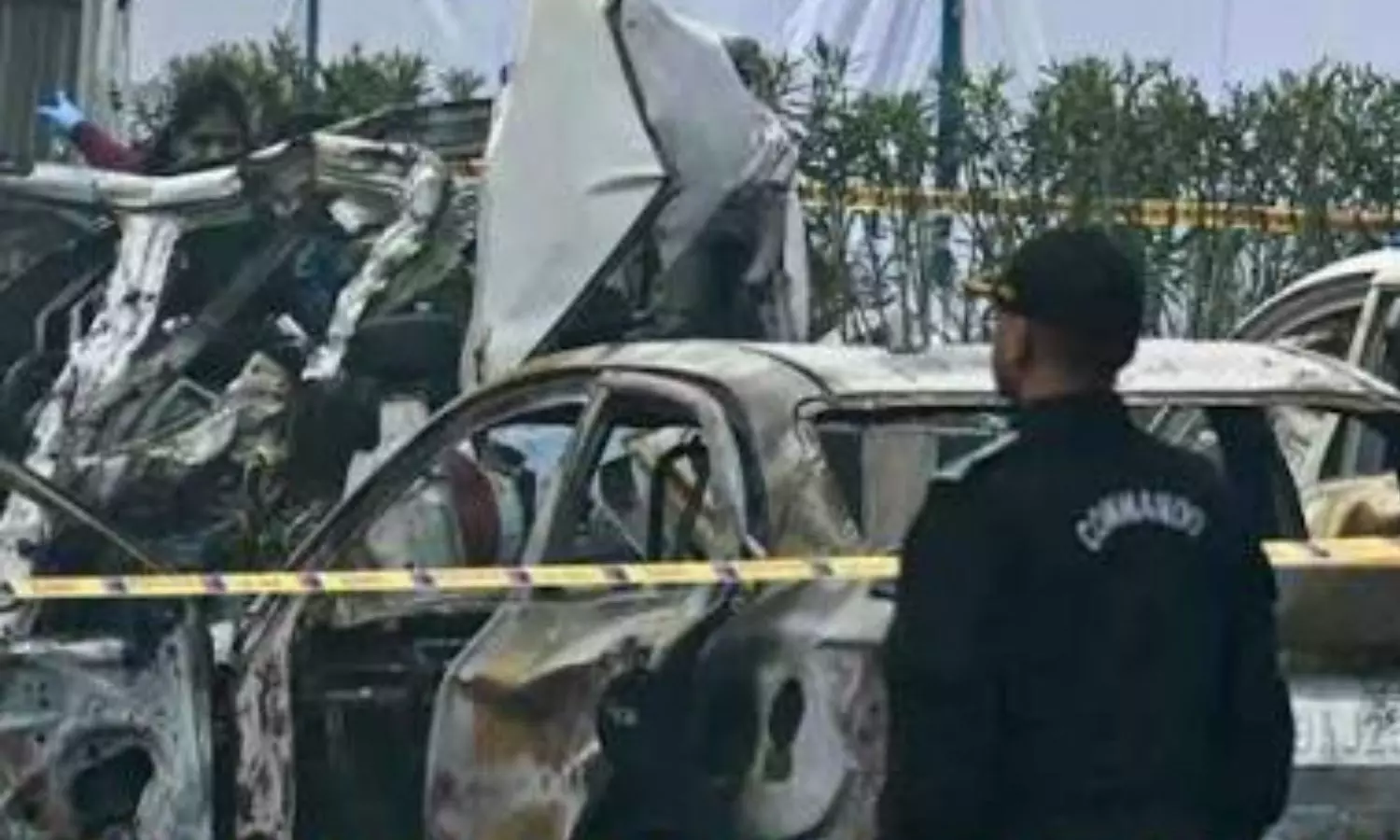
National Investigation Agency (NIA) has revealed new details about the Red Fort vehicle-borne IED attack
The National Investigation Agency (NIA) has revealed new details about the Red Fort vehicle-borne IED attack, with its chargesheet indicating that the bomber, Umar-un-Nabi, had initially attempted to target the historic Lal Mandir in Delhi’s Chandni Chowk.
The investigation found that Umar was attempting to park his Hyundai i20, which was packed with explosives, close to the temple just before the explosion. But it seems it was the traffic and the presence of police in the area that made him abandon this option and head towards the Red Fort.
Investigators reviewed CCTV footage reportedly indicating that Umar was trying to park near Lal Mandir around 6.37 pm.
He was unable to find a proper way through heavy traffic and the police's presence and took a U-turn, allegedly taking the road towards the Red Fort. The explosive laden vehicle was exploded around 13 minutes later at about 6.50 pm near Gate No. 4 of the Red Fort.
The sequence suggests that Lal Mandir may have been the original intended target before circumstances forced the bomber to change his plan.
The chargesheet provides details of what investigators have described as a vehicle-borne IED attack in the national capital.
According to the NIA, the explosive device was triggered through a remote command mechanism associated with the bomber's footwear. Investigators recovered a metal component near the Hyundai i20 that was linked to a shoe and tested positive for explosive-related substances.
A nasal swab recovered from the vehicle was also examined. Its DNA profile matched that of Umar's parents, helping investigators establish his identity as the person inside the vehicle.
The agency also found forensic links between explosive material recovered from associates in Faridabad and material connected with the blast, according to the chargesheet.
The NIA chargesheet states that the explosion resulted in the deaths of 11 people, while 29 others were injured.
Post-mortem reports cited by investigators attributed the deaths to the impact of the high-intensity blast wave.
The explosion also damaged nearby infrastructure. Assessments by agencies including the Delhi Metro Rail Corporation (DMRC), Archaeological Survey of India (ASI) and Public Works Department (PWD) put the damage at around ₹17.7 lakh, according to the chargesheet.
The chargesheet also describes Umar's movements in the period before the attack.
Investigators said that on October 30, Umar met an acquaintance near Al Falah Hospital and handed over his room key, asking the person to retrieve his shoes from his room. The NIA said he appeared distressed at the time, as security agencies had already begun acting against the module.
While allegedly staying in hiding in Nuh, Umar reportedly avoided leaving the premises and stored urine in a plastic bag, according to the chargesheet. The unusual behaviour reportedly caused a foul smell, prompting the woman living at the house to complain to her husband.
The NIA has also referred to digital material recovered from the accused during the investigation.
Among the material was a publication titled “Lone Mujahid Pocket Book”, associated with Inspire magazine linked to Al-Qaeda in the Arabian Peninsula (AQAP). According to investigators, the material contained operational information concerning explosives, weapons, vehicles, arson and covert activities.
The agency has also alleged that the module studied material relating to explosive devices and remote detonation mechanisms.
The chargesheet further states that on November 7, Umar purchased new clothes from a shop in Nuh, paying in cash.
The details form part of the NIA's reconstruction of his movements and preparations in the days leading up to the November 10 blast.
The investigation has brought together CCTV footage, forensic evidence, witness accounts and digital material as the agency reconstructs the planning and execution of the attack.


