Three-Year-Old Dies After Parents Initiate Jain Fasting Ritual Following Brain Tumor Diagnosis

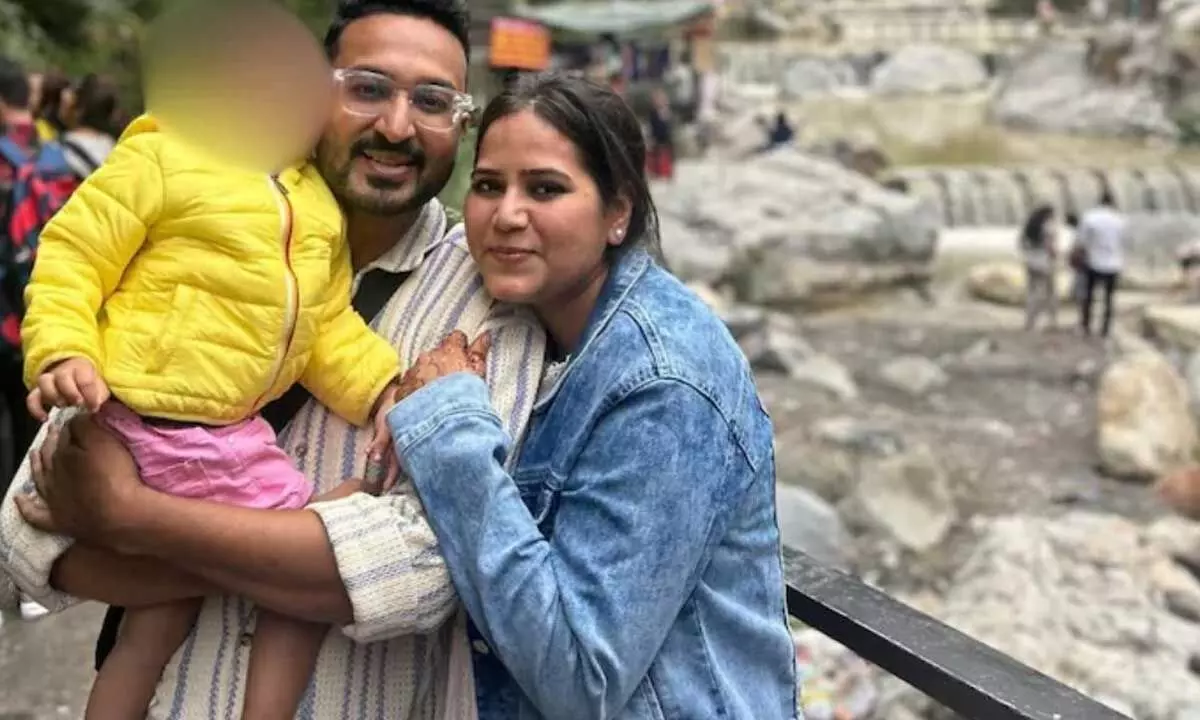
A three-year-old girl with brain tumor died after undergoing the Jain ritual of Santhara (fasting unto death) on a spiritual leader's advice in Indore, raising ethical and legal questions about the controversial practice.
In a heartbreaking case from Indore, Madhya Pradesh, a three-year-old girl named Viyana Jain died on March 21 after her parents initiated her into the controversial Jain religious practice of Santhara—voluntary fasting until death—following advice from a spiritual leader.
Viyana, diagnosed with a brain tumor in January, underwent surgery that initially improved her condition. However, when her health deteriorated in March, making eating and drinking difficult, her parents sought guidance from Jain monk Rajesh Muni Maharaj.
"Maharaj ji saw my daughter's condition and told us that the girl's end was near and she should be given the Santhara vow," explained Piyush Jain, Viyana's father, who works as an IT professional along with his wife Varsha. "After thinking about it, we finally agreed to go for it." According to the father, Viyana passed away within minutes of completing the religious rituals.
The Golden Book of World Records reportedly issued a certificate recognizing Viyana as "the youngest person in the world to vow the Jain ritual Santhara," a distinction her parents have publicly acknowledged.
Varsha Jain expressed the emotional weight of their decision: "I cannot describe how difficult the decision was to make my daughter take the Santhara vow. My daughter was suffering a lot due to the brain tumor. It was very painful for me to see her in this condition." Through tears, she added, "I want my daughter to always be happy in her next birth."
Santhara, also known as Sallekhana or Samadhi Maran in Jain terminology, involves gradually reducing food and water intake until death as a means of spiritual purification and worldly detachment. The practice remains legally controversial—in 2015, the Rajasthan High Court declared it punishable under sections related to abetment to suicide and attempted suicide, though the Supreme Court later stayed this order after petitions from Jain religious bodies.
This case raises profound questions about religious practices, parental authority, and legal protections for children in situations where religious rituals intersect with medical conditions.