






- Bengaluru man set ablaze dies; special police teams hunt for accused
- World's largest importer of uncut diamonds, India at UN projects way to curb illegal exploitation
- Nadella Warns of Rising AI Cyberattacks, Apologises for Outlook Outage
- EPFO board likely to discuss more flexible retirement withdrawal options
- Malaysia To End Visa-Free Entry For Indians From January 1, 2027; Visa Applications To Open On December 1
- International Men’s Day: Recognising Men’s Contributions
- North Korea's Kim visits naval university, key construction sites amid possible talks with US
- Yemen's Houthis claim strikes on Riyadh airport, financial centre as cross-border fighting continues
Universities Must Protect Academic Freedom and Reject Violence
In Short
Academic freedom in Indian universities must protect independent thought and peaceful dissent while upholding constitutional values, transparency, the rule of law and opposition to political violence.

Share :
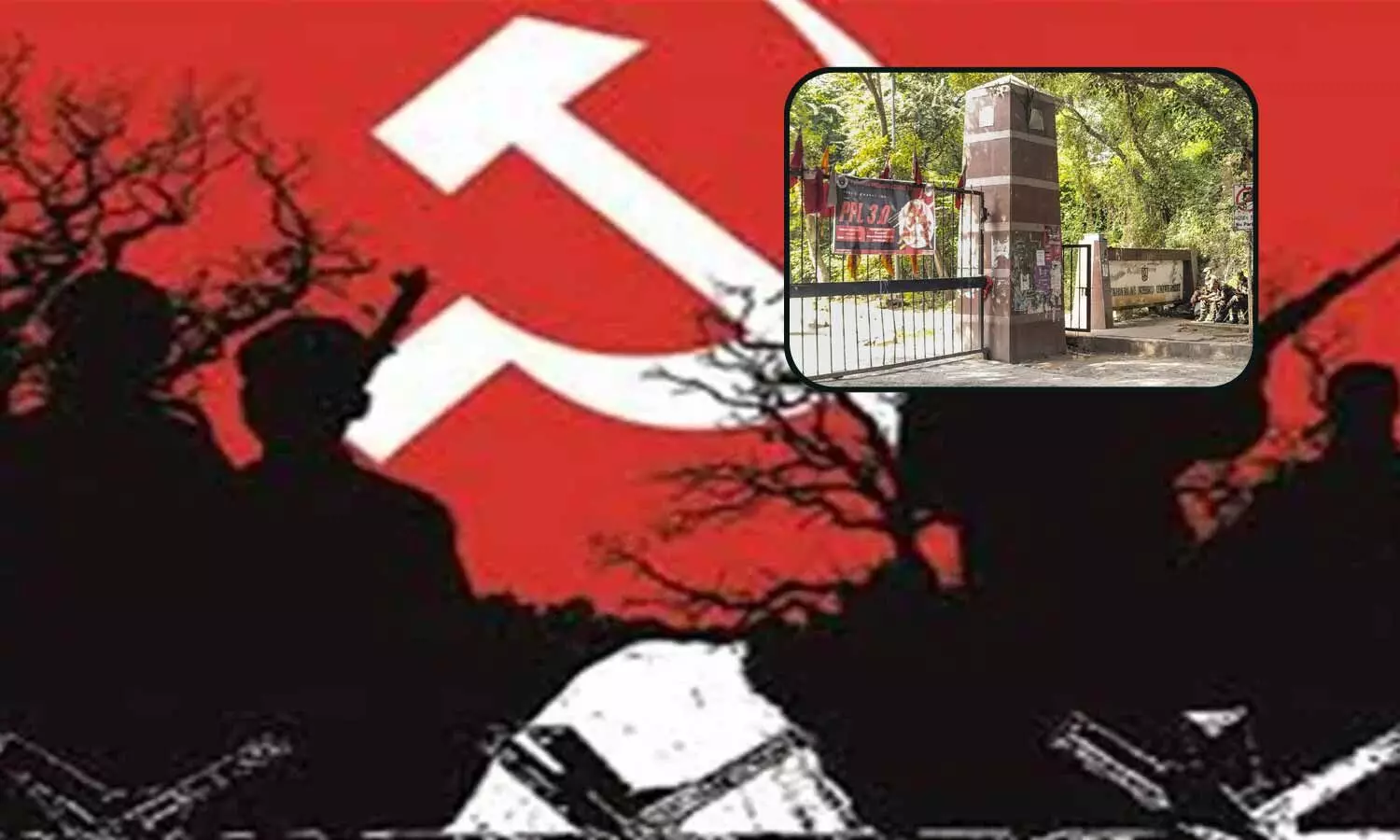
Universities Must Protect Academic Freedom and Reject Violence
Academic freedom should be upheld at Indian universities. However, violent political activities should not be supported. Academic freedom should allow peaceful opposition, but must be maintained with integrity, transparency, and within the rule of law.
Within Indian universities, individuals should be encouraged to think independently, express diverse opinions, and be able to meaningfully participate in democracy. There is concern that some areas of academia may be susceptible to Maoist views, and views that attack the legitimacy of constitutional institutions.
‘Urban Naxal’ is a contested political phrase, and is not an official classification. While academic research into Marxist ideals, revolutionary movements, and state power is entirely legitimate, concern occurs if research appears to condone violent activity.
Origins and background
In 1967, a peasant revolt occurred in Naxalbari, West Bengal. This led to the creation of the Naxalite movement, with underlying issues in agriculture combined with radical communist ideologies. Over time multiple Maoist groups developed. Some groups took part in armed insurrection against the Indian government. In 2004, multiple key Maoist factions combined to create the Communist Party of India (Maoist), becoming the main group conducting armed insurrection.
While armed activity has predominantly taken place in rural and woodland regions, Maoist ideologies are present within intellectual, political, and cultural debates. Although revolutionary political views may be discussed within universities, it is important to be careful not to infer that there is organised extremism taking place within these institutions.
Concerns
Some radical ideologies suggest that democracy as defined within the constitution is unable to provide justice, and that the state only exists to oppress people. Revolutionary groups may therefore be portrayed as fighting on behalf of marginalised people. However, the impact of violence in these movements on civilians, elected officials, members of security forces, workers in infrastructure and tribal people may be overlooked. Furthermore, human rights cannot be selectively supported. The mistreatment of people by the state, and violent actions by armed groups must be investigated.
If researching Maoism, consideration should be given to why the movement arose, the ideologies, structure, aims, and impacts on people. Consideration should be given to the causes of the insurgent movement (grievances and poor governance) and impact of armed revolutionary groups. Within universities, research must be critically considered and political conformity should not be encouraged.
Disagreement with government policy, protest against security forces, and support for tribal people’s rights does not imply support for Maoist groups. However, if there is reliable evidence of illegal support for an organisation involved in violent activity, appropriate processes should be followed to investigate this. This should not be dismissed on the grounds of academic freedom.
Within India, social change can be encouraged through voting, new legislation, legal processes, democratic structures, and public accountability. Within universities, the impact on constitutional processes and human rights of engaging in political violence should be taught.
Tribal communities must not be used as tools for political progression in other groups. By improving justice in these regions – building infrastructure (roads, schools, hospitals), efficient local governance, and enabling meaningful involvement in governance – confidence in democracy can be increased and extremist influence reduced.
Peaceful opposition should be encouraged in universities. However, processes must be clear and standards consistent within universities. Decisions regarding staff recruitment, research, organisation in the university, and collaboration with other institutions, must not be made with political convenience in mind. Students should be exposed to differing views on different aspects of Indian history, constitutional ideologies, economic development, and national security.
Education on citizenship should enable students to understand the difference between lawful protest and force, and between political critique and supporting violent activity. Ideas should be encouraged in universities, however, and extremism should not be sheltered. Academic freedom is an asset of Democracy within India. However, if individual thinking is compromised for political conformity, academic freedom will be weakened.
With Inputs from Organiser website by Anubha Mishra


