




- India’s UPI payment system is forging ahead
- CM Satheesan demands CEC Gyanesh Kumar’s resignation after former Kerala CS's allegations
- Amit Shah flags off India’s first LNG-powered train from Sabarmati
- ‘Good news for prepaid mobile users’: Raghav Chadha welcomes new 30-day recharge rules
- Fight over SIR deletions: BJP claims 2.8 crore voters were deceased; Cong questions 10.2 crore excluded names
- Daughters Day 2026: Date, Significance, Wishes And Celebration Ideas
- ‘Kalki’ sequel regular shoot to begin in Oct, targets mid-2027 wrap
- ‘Kaaka’ dubbing commences; getting ready for Sankranti release
Voters Cannot Wait for Decades: Need for Fast-Track Tribunals
In Short
The Special Intensive Revision (SIR) of electoral rolls has raised questions about how quickly complaints over excluded names can be addressed.

Share :
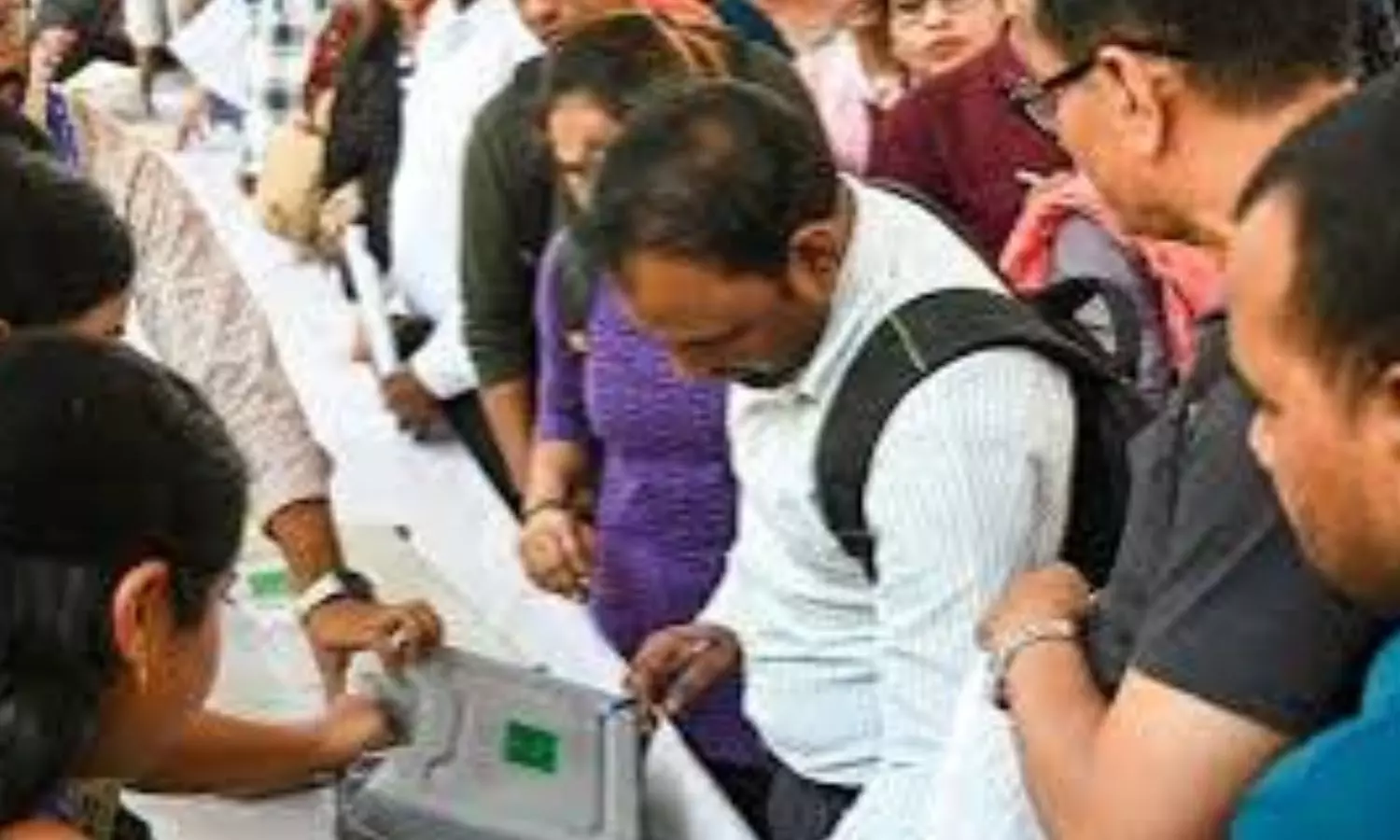
The Special Intensive Revision (SIR
The Special Intensive Revision (SIR) of electoral rolls has raised questions about how quickly complaints over excluded names can be addressed. Thousands of appeals are pending before tribunals, with the issue attracting particular attention in West Bengal. So far, 1,26,194 appeals have been decided, while 37,05,235 remain pending. At the present rate of disposal, the Opposition fears that it could take more than a decade to clear the backlog.
The CEC, however, amended the rules on Saturday. In the case of people who received SIR notices because they were “unmapped” or had logical discrepancies, Booth Level Officers (BLOs) will now visit their homes, collect the required documents and upload them on ECINet. They will normally not have to appear personally before the ERO/AERO. Hearings will be held only in exceptional cases and, preferably, online.
However, these decisions do not directly create a fast-track procedure for SIR appeals already pending before tribunals. At most, they could reduce the workload at the field and ERO levels, which may indirectly help speed up the overall process.
The crucial question, therefore, is whether Saturday’s changes themselves provide tribunals with a mechanism to dispose of the 37 lakh-plus pending appeals faster. The answer is no.
There is, however, an important distinction. The new doorstep document-collection and online-hearing arrangements could make future adjudication easier by ensuring that documentary evidence reaches the ERO without requiring every elector to appear physically. This could reduce the number of cases that eventually reach the appellate stage and make individual cases easier to process.
Noise, Questions and the Missing Answers
Govt is taking steps to address land issues: Minister Ponguleti Srinivasa Reddy
Rains subside in Chinturu Agency, flood relief underway
Karur Stampede Anniversary: CM Vijay Remembers 41 Victims, Says Pain Has Not Faded
Godavari breaches 40-feet mark at Bhadrachalam
Students From LPU Vandalise Campus After Unverified Gang-Rape, Suicide Rumours; Police Deny Claims


