






- Anthropic CEO Dario Amodei puts culture before technical talent in hiring
- Youth Congress causes damage at Meta office in Hyderabad
- Petrol and diesel prices today in Hyderabad, Delhi, Chennai and Mumbai on 21 November 2026
- White House aide Stephen Miller predicts US' 'greatest two years'
- Trump cites India's growth to press Fed on rates
- Telangana Government launches logo and tagline contest for Godavari Pushkaralu
- Graduate voter enrolment crosses 12.69 lakh in Telangana
- Supreme Court dismisses Telangana rice millers’ pleas
Will Special Session of Parliament Be Convened?
In Short
This is the question that has become a hot topic of discussion in political circles

Share :
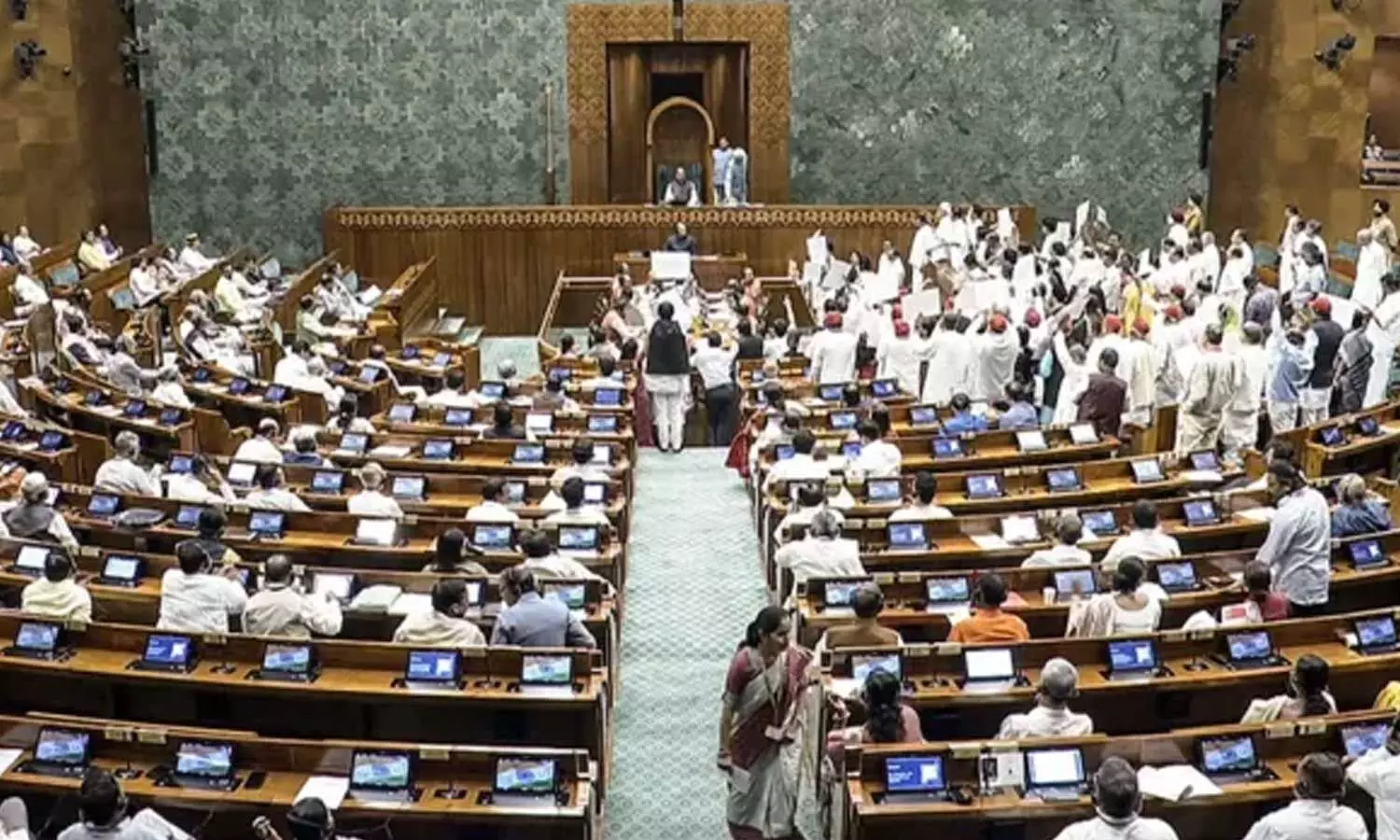
Will Special Session of Parliament Be Convened?
Will the government convene a special sitting of Parliament to pass the pending Constitutional bills on women's reservation?
This is the question that has become a hot topic of discussion in political circles. The time for the winter session of the Parliament is also approaching; no dates or duration of the proposed sitting have been announced so far.
Parliament's Monsoon session has remained unprorogued for 100 days, setting a new record, even as suspense continues over whether the government will convene a special sitting to push through the proposed Constitutional amendment to implement the women's reservation law.
Both Houses were adjourned sine die (for an indefinite period) on August 13, but neither the Lok Sabha nor the Rajya Sabha has been prorogued (formal conclusion of session) as of Saturday morning.
The previous record was 87 days, set in 2008.
The proposed amendment seeks to increase the strength of the Lok Sabha from the present 543 seats to a maximum of 850 through delimitation, paving the way for the implementation of 33 per cent reservation for women in Parliament and state legislative assemblies ahead of the 2029 parliamentary elections.
The government is understood to be considering a 50 per cent increase in Lok Sabha seats for every state to address concerns of southern states. This proposal is being favoured by some of the opposition parties, like the NCP led by Sharad Pawar and others. Even the DMK may support if it is a 50% flat increase in seats.
The opposition has demanded an all-party meeting to discuss the proposed delimitation exercise. Congress leader Jairam Ramesh has said the opposition wants the Lok Sabha's strength frozen at 543 for 25 years, with the representation of states and Union territories also retained at existing levels.
An extended sitting of the existing session requires a minimum notice of two days, while convening a fresh session requires at least 14 days' notice. The Constitution does not prescribe any specific time frame for proroguing a House after it has been adjourned sine die.
Keeping a session unprorogued for an extended period does not, by itself, amount to any constitutional or procedural impropriety.
BRS main political rival, BJP no competitor: CM Revanth
Ronaldo will be invited to state soon: Revanth
Raj Gopal continues tirade against Revanth
CM Chandrababu Naidu sets Dec 2027 IPO target for APMDC
TG’s engineering, pharma exports zoom 68% in 3 yrs
Godavari water lifeline for Hyderabad nearing reality


