




- Painless breast lumps fear, social stigma delaying breast cancer diagnosis, warn CARE Hospital docs
- Mahaling reviews readiness in Kalahandi
- Over 1K students take part in ‘Synapse-2026’
- Early diagnosis and advanced surgical treatments can help epilepsy patients lead seizure-free lives
- 27 rural sports winners make stage debut in ‘Thia Puchi Naranga’
- Sindhu Hospitals launches BeyondA1C frontline screening for Diabetic complications in India
- T Congress keen to sort out key issues; eyes 100 seats in polls
- FATHI demands release of fee reimbursement arrears
Mahaling reviews readiness in Kalahandi
In Short
Health Minister Mukesh Mahaling and Kalahandi Collector Sachin Pawarbriefed the media on Tuesday, outlining emergency medical readiness and district response plans ahead of potential cyclone-related disruptions

Share :
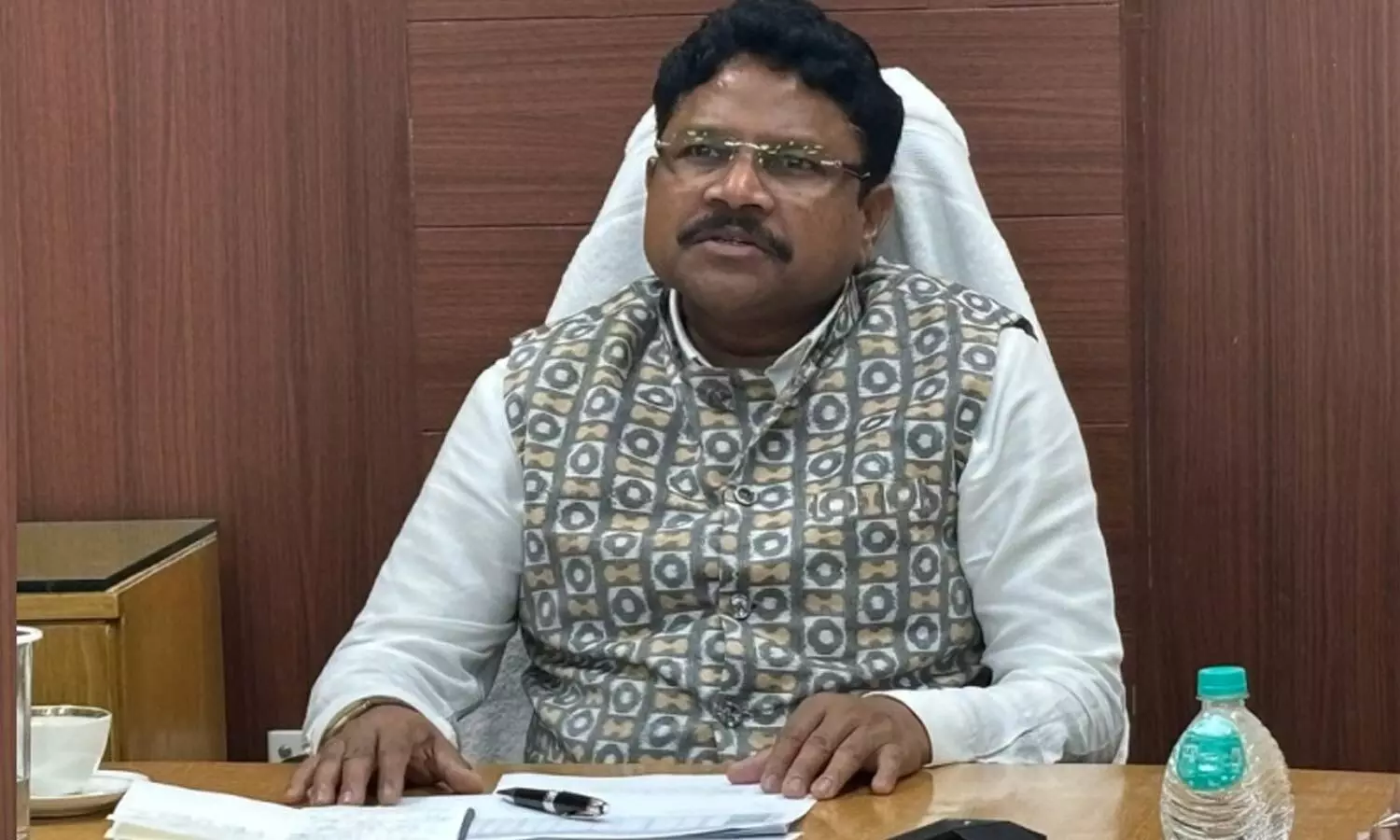
Health Minister Mukesh Mahaling
Bhabanipatana: Anticipating heavy rainfall from cyclone Arnab, the Kalahandi district administration and health authorities have intensified emergency preparedness to ensure public safety and uninterrupted essential services.
Health Minister Mukesh Mahaling and Kalahandi Collector Sachin Pawarbriefed the media on Tuesday, outlining emergency medical readiness and district response plans ahead of potential cyclone-related disruptions.The Minister’s visit and the Collector’s briefing come at a critical juncture, when the effectiveness of disaster management depends not only on advance planning but also on the ability of departments to respond swiftly to changing weather conditions and emerging needs on the ground.
The Health department has directed vulnerable areas to maintain essential medicine stocks and uninterrupted healthcare services.State and district control rooms, Rapid Response Teams, and Mobile Health Units are active and ready to assist remote areas.
Health authorities are focusing on vulnerable groups—including pregnant women, children, the elderly, and those needing regular or emergency medical care.They must ensure relief centres provide safe water, sanitation, and medical facilities while strengthening surveillance for water and vector-borne diseases like diarrhoea, cholera, malaria, and dengue.
In Kalahandi, ensuring disaster preparedness reaches isolated, last-mile communities during severe weather is a critical challenge. If heavy rainfall disrupts roads, the immediate availability of medical teams, transport, medicines, and emergency communication systems becomes essential to safeguard vulnerable areas.


