




Bill Gates Backs Wealth Tax To Tackle AI-Driven Inequality
In Short
Bill Gates says that governments must introduce wealth taxes. Bill Gates says that wealth taxes will help make economic growth benefit society instead of widening the gap, between rich and poor. I find this idea interesting.

Share :
Artificial intelligence is expected to create wealth in the coming years
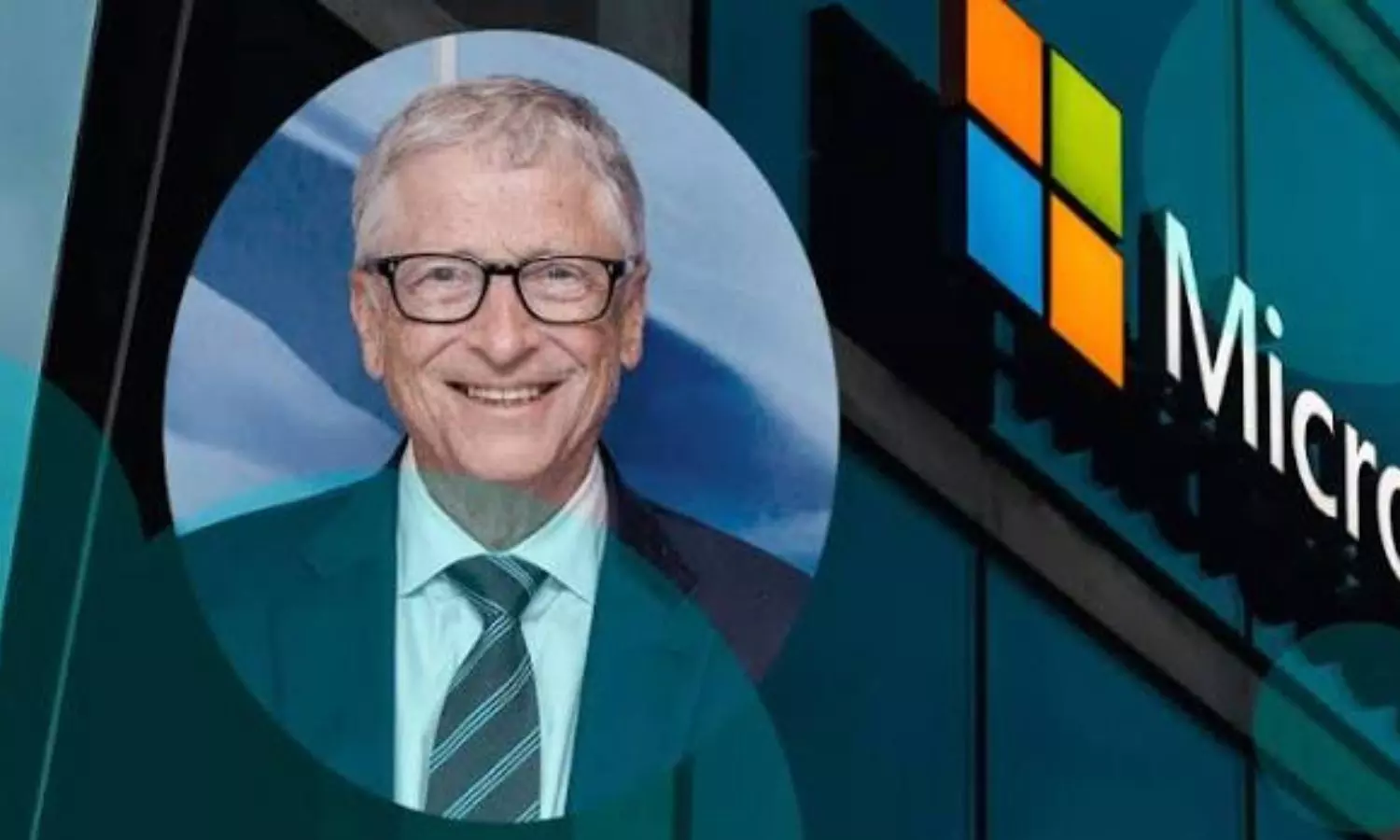
Artificial intelligence is expected to create wealth in the coming years. People are starting to worry about who will actually benefit from this economic change. Bill Gates, the co-founder of Microsoft says governments need to take action. He believes the financial gains, from intelligence should not stay in the hands of just a few wealthy people.
Gates has said he supports wealth taxes, including higher taxes on rich people. He believes that giving money to charities is not enough to deal with the increasing gap between the rich and the poor. In a talk with a famous publication, he said that governments must take the main role, in solving the economic divide. This is especially important as AI starts to change businesses and jobs.
Gates said that governments will always have the job when it comes to handling inequality. He added that we cannot depend on philanthropy because it is voluntary and cannot serve as a safety net.
Why Bill Gates believes billionaires should pay more tax
Gates believes that the rapid growth of AI could create money for people who own shares in big tech firms. Gates worries that the gains of AI might not touch ordinary workers and families the same way.
According to data from the US Federal Reserve cited in the report the top 1 per cent of Americans own more than half of the nation’s stock market. This kind of ownership concentration might grow even larger as artificial intelligence companies continue to expand and their market values rise. The gap, between the richest and everyone else could keep widening.
In such a situation investors who already hold wealth could receive a disproportionate share of the financial gains. I hear that Gates believes governments will need to rethink existing taxation policies to prevent this gap from becoming wider.
“So, in a world of AI, there will have to be changes in tax systems, including the ability to tax people with huge wealth, the ability to tax billionaires,” he said.
Bill Gates has promised to give away all of his money, which is thought to be about 100 billion dollars through the Gates Foundation. The group is supposed to use this money over the twenty years. He still says that even big donations, to charity can't take the place of government actions to fix economic inequality.
Bill Gates also supports taxing robots
Gates has previously raised the possibility of introducing taxes on robots and AI systems that take over tasks traditionally performed by human workers.
His argument centres on the difference in how businesses are taxed when employing people compared with investing in machines. Companies generally pay payroll taxes for human employees, while purchasing robots can be treated as a business expense.
According to Gates, this difference could make automation financially attractive and encourage companies to replace more workers with machines.
He believes taxation policies should evolve alongside technology so that businesses benefiting from automation also contribute towards supporting society and addressing the economic challenges created by AI.


