




- Samsung Galaxy S27 leaks: Display sizes, storage and more
- Apple caps iPhone Duo purchases amid high demand
- Prabhas’s Fauzi Birthday Glimpse To Be Attached To 418: The Film In Theatres
- Virtual Metro Smart Card: How to Use Your Phone for Metro Travel
- Foreign forces behind 'regime change' narrative, trying to incite violence in India, claims BJP
- ICC announces U19 Women’s T20WC 2027 schedule
- 'Free and fair polls part of basic structure': SC directs Andhra SEC to decide on nomination extension, ensure security for candidates
- PM Modi highlights agrivoltaics' potential to boost rural incomes ahead of global conference
First space mission to nearest star will take 80,000 years
In Short
None of us will be here when this journey ends, and that is the point. It's about taking the first achievable step and inspiring future generations to keep pushing beyond the limits we inherited: Co-founder and president of the Fermi Explorer Mission Philip Johnston

Share :
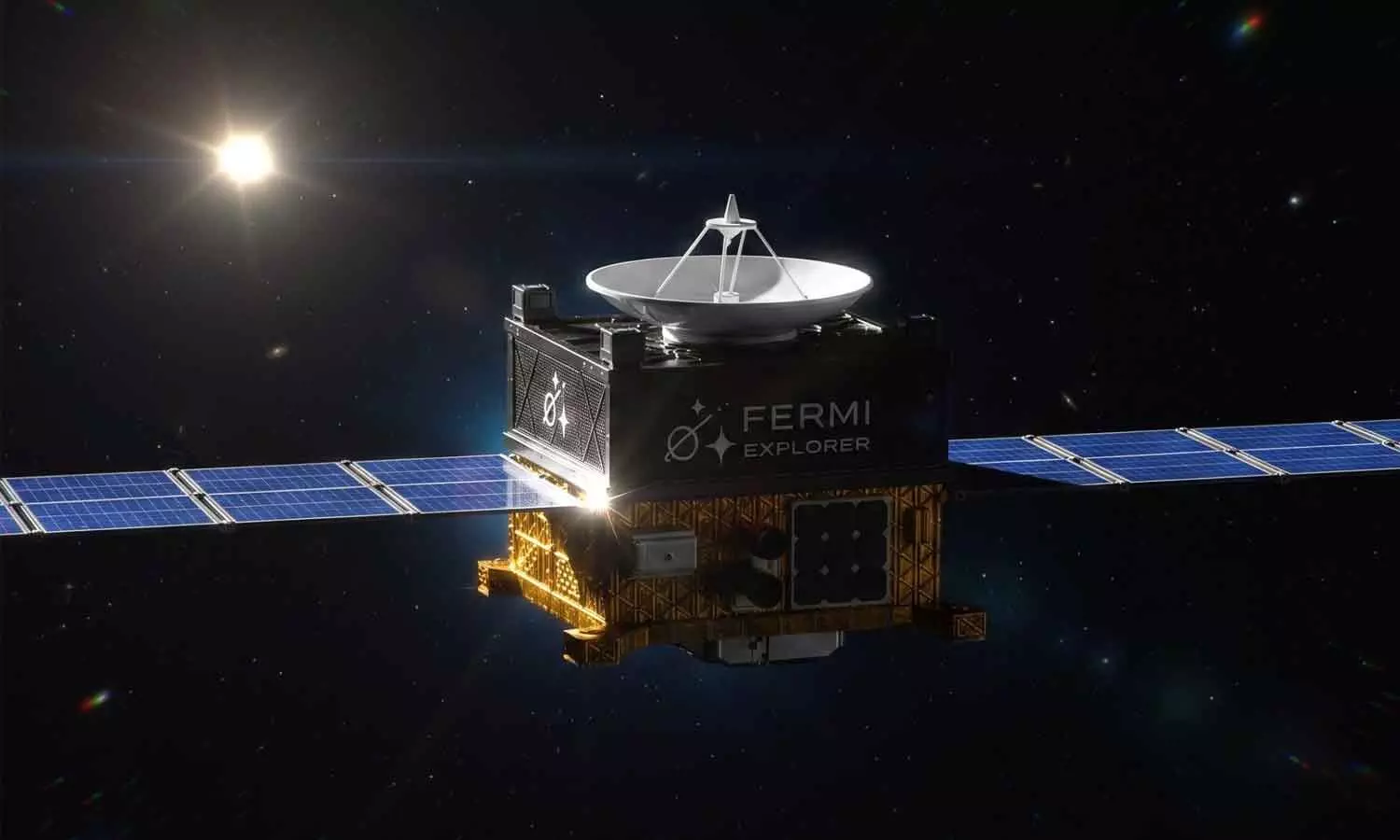
First space mission to nearest star will take 80,000 years
London: A spacecraft targeted for launch in 2028 could embark on an estimated 80,000-year journey to Proxima Centauri, the nearest star beyond the Solar System, in what its organisers describe as humanity's first step towards interstellar travel.
The Fermi Explorer mission will carry scientific instruments to study conditions along the route to the star, which is located 4.4 light-years, or approximately 25.8 trillion miles, from Earth.
The journey will take tens of thousands of years, meaning none of the scientists involved will live to see its completion.
None of us will be here when this journey ends, and that is the point. It's about taking the first achievable step and inspiring future generations to keep pushing beyond the limits we inherited said Co-founder and president of the Fermi Explorer Mission Philip Johnston
The spacecraft will carry a copy of the Golden Record sent aboard Nasa's Voyager missions. The record contains images of Earth, greetings in 55 languages, music, natural sounds and a message from former US President Jimmy Carter.
The spacecraft will also carry new messages from children around the world. Voyager 1 and Voyager 2 are the only human-made spacecraft to have entered interstellar space. The Fermi Explorer would be the first spacecraft launched specifically towards another star system.
Philip Johnston said, "We hope to be both the first to leave and the last to arrive at Alpha Centauri. None of us will be here when this journey ends, and that is the point.


