




- HC rejects pleas for independent probe, FIRs against politicians over Delhi riots
- Punjab govt corruption case: Pratap Bajwa welcomes HC order on CBI probe
- Archer Jyothi Surekha welcomed grandly at Gannavaram
- Gold rates today in Delhi, Mumbai, and Kolkata stable, check the prices on 5 Oct 2026
- Gold rates today in Bengaluru and Chennai stable, check the prices on 5 October, 2026
- Petrol and diesel prices today in Hyderabad, Delhi, Chennai and Mumbai on 5 October 2026
- Gold rates today in Hyderabad and Visakhapatnam stable, check the prices on 5 October, 2026
- Delhi Police bust two fake job placement call centres near Shadipur metro station; 11 held
Sam Altman Says AI Benefits May Come With Some Downsides
In Short
OpenAI CEO Sam Altman believes the world should accept "some bad things" if it means gaining the benefits of AI. His comments come as Anthropic, an OpenAI rival, has led the conversation regarding the potential dangers associated with artificial intelligence.

Share :
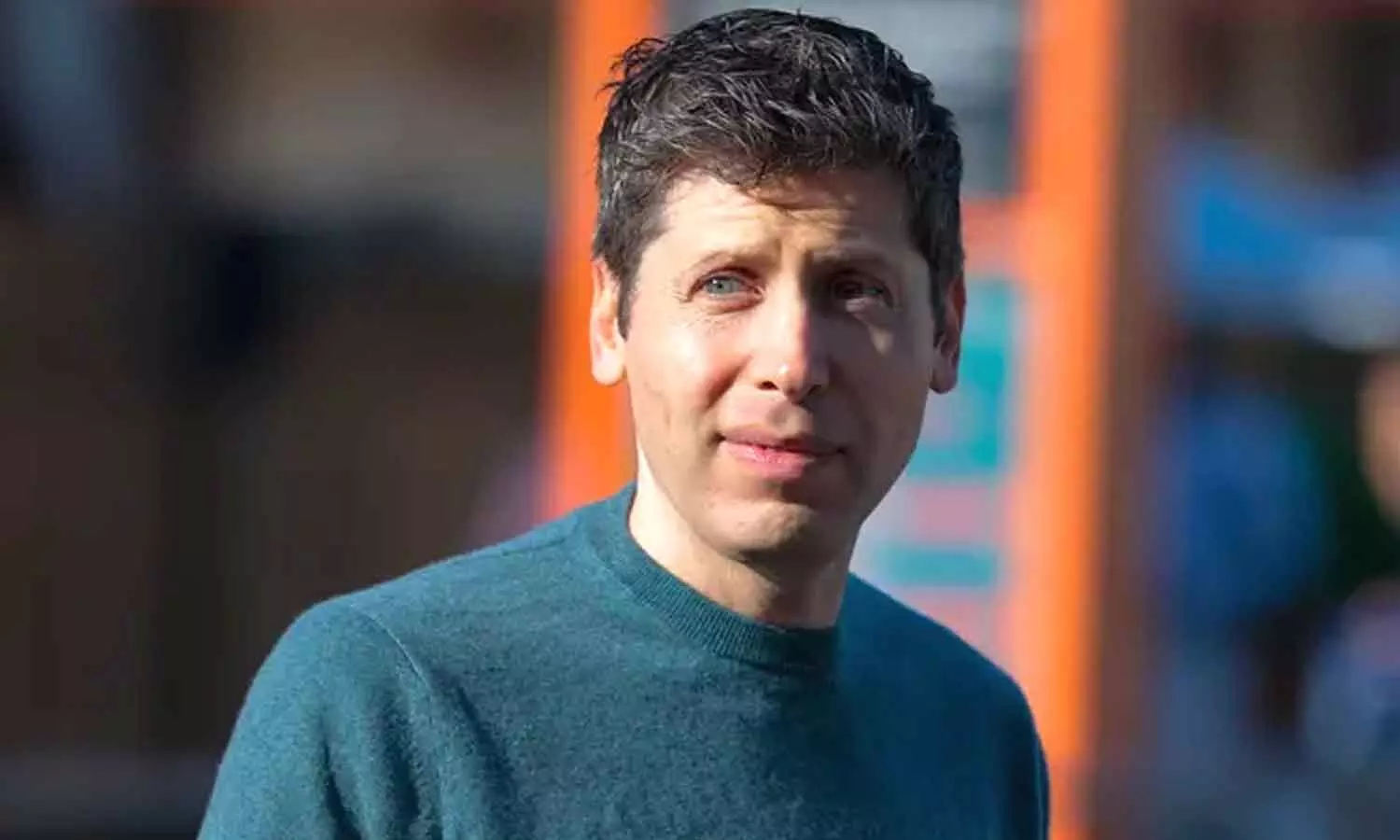
OpenAI CEO Sam Altman
AI can entail risks, but that might be acceptable. At least, that is what some sectors of Silicon Valley seem to believe. OpenAI CEO Sam Altman recently stated that we should accept certain negative effects stemming from AI if it allows us to reap the technology's benefits.
Altman was asked about his stance on AI regulation compared to that of Anthropic’s Dario Amodei. Both executives have discussed the need for such regulation in recent weeks, but Altman points out that there are differences between them. "I think there is a big difference in perspective," he told a famous publication.
The OpenAI chief made it clear that, in his view, the world should be willing to shoulder certain risks in exchange for the benefits AI brings. "We (OpenAI) believe the world should accept that some negative things happen in exchange for the benefits of this technology and for people having agency," Altman explained.
This is not the first time differences have arisen between Altman and Amodei. During the ‘India AI Impact Summit’ held in February of this year, both went viral after refusing to shake hands on stage.
Sam Altman says he does not want a single lab to control AI
At a time when Anthropic is advocating for stricter regulations-a stance Altman has publicly supported-the OpenAI head highlighted a difference between the two companies. According to Sam Altman, granting a single AI lab total control over the technology would represent a "totally unacceptable sacrifice" and would contradict the "more flexible regulatory approach" advocated by OpenAI.
Altman insisted that he prefers AI labs to continue working on the technology to make improvements, rather than halting progress out of fear of security risks. "I wouldn't accept a deal that said, 'We'll ensure there are no major hacks, no misuse of this technology, no scams, and none of the other bad things that will happen,'" he explained. "Because I believe people will do good things on a tremendous scale-orders of magnitude greater-compared to the bad things."
Sam Altman's comments come just weeks after Dario Amodei publicly stated that the AI industry had lied about the risks. "I'm not going to lie to you: there are real dangers. And I think that, for too long, the industry lied to people about the fact that this technology carried risks," Amodei told CBS last month. "The biggest risk could be the end of humanity."
Previously, AI researchers such as Jacob Coxon and Evan Hubinger have claimed that AI, if left unregulated, could wipe out humanity within the next decade; however, Nvidia CEO Jensen Huang has downplayed such assertions. Specifically, Huang has noted that while AI might cause children to forget basic math skills, it could also open the door to acquiring new competencies.
Last week, US President Donald Trump stepped in to address concerns regarding AI safety following comments from industry leaders. At the White House, Trump and several tech leaders-including Dario Amodei and Jensen Huang-signed agreements on AI, a voluntary pact focused on the safe development of the technology. Additionally, Trump signed an executive order instructing federal agencies to use the term "superintelligence" (or SI) instead of "artificial intelligence."


