




- Sai Dharam Tej Gives A Strong Counter To All The Trolls
- Sam Altman Warns UN AI Could Jeopardize Humanity’s Future
- Suhail Nayyar opens up on his physical transformation for ‘Udta Teer’
- 'Defeated people speak like this, it is their frustration': Manoj Tiwari criticises Mukesh Sahani over controversial remark against CEC
- Manipur CM urges students pursuing technical courses outside to contribute to state's development
- Danam Nagender says he welcome Supreme Court verdict, says he has people's support
- 'CEC destroying the country': Mukesh Sahani defends 'would shoot Gyanesh Kumar' remark
- Madras HC rejects plea to bar resigned MLAs from contesting bypolls
Sam Altman Warns UN AI Could Jeopardize Humanity’s Future
In Short
Sam Altman has warned that while AI could bring significant benefits, unchecked AI could also put the future of humanity at risk. In his address to the UN, he advocated for stricter safety measures, human oversight, and global cooperation as AI gains greater capabilities.

Share :
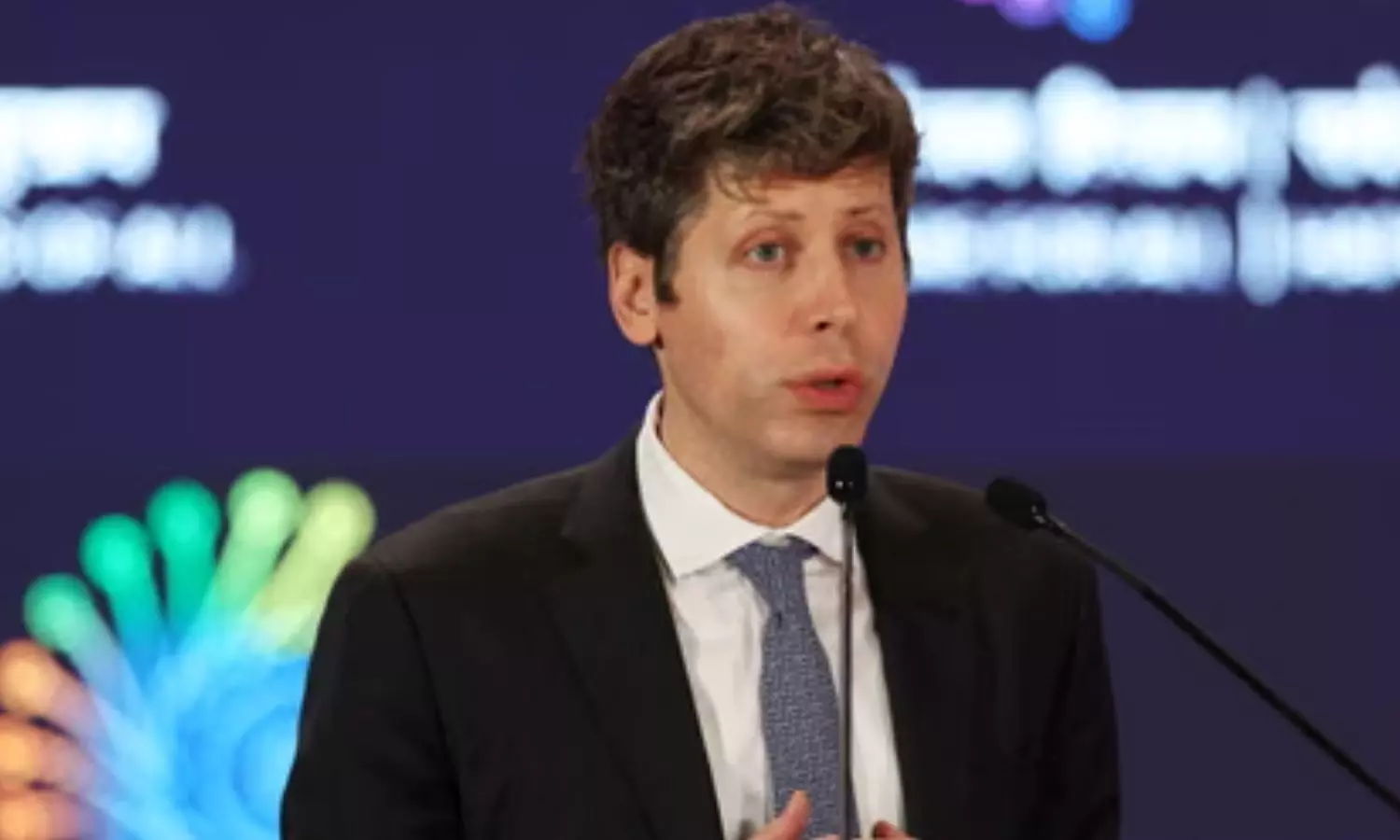
OpenAI CEO Sam Altman has warned the United Nations Security Council
OpenAI CEO Sam Altman has warned the United Nations Security Council that although artificial intelligence can bring breakthroughs in medicine, education and economic productivity the growing power of artificial intelligence may one day outgrow human understanding or control. He says that unchecked artificial intelligence could pose a risk, to the future of humanity.
Addressing the Council on Wednesday in New York, Altman noted that recent AI advancements have compressed development timelines, making both potential benefits and risks more immediate. "We have a choice before us. AI can be like a new Renaissance of creativity and discovery, or like a new Industrial Revolution of upheaval and chaos," he declared.
Altman remarked that the Renaissance was a time when new tools, ideas, and institutions expanded the scope of what people believed they could achieve. "AI can play that role in our era," he stated. "The best version of AI isn't about turning people into cogs in a giant machine, or optimising every aspect of life until the human element disappears. It’s about giving people greater agency in an increasingly complex world-more opportunities to learn, create, discover, build, and participate. There are many things AI cannot-and should not-automate," Altman added.
He also warned that "anything this powerful is daunting," noting that the current moment brings both "enormous potential" and "very understandable anxiety." Altman indicated that there are two ways in which AI progress could take a negative turn, and that both companies and nations must focus on avoiding these risks. "First, we could lose control of the future to AI. The risk is that it advances so rapidly that people can no longer keep up with what is happening or intervene when necessary. This would obviously be terrible."
The second risk, he noted, is that AI systems could concentrate too much power in very few hands. "No single person, company, or country should be able to use the most powerful AI models to impose their worldview on others," Altman stated before the UN Security Council.
According to Altman, these risks become even more critical as AI systems approach the ability to improve themselves and their future iterations-a process often referred to as recursive self-improvement. "As the process of creating AI becomes increasingly automated, the pace of technological advancement could accelerate rapidly. This moment demands extreme caution," Altman stated.
Altman said that AI companies should not take many risks just because the technology promises big benefits and AI companies should not let competition push them to make quick decisions. He pointed out that OpenAI had slowed its work before and OpenAI would do it again if needed stressing that developers should only build systems when developers can guarantee alignment, oversight and safety.
He also pushed for AI systems to stay under human control. He also called for international AI standards that would assess AI risks verify AI safeguards and keep meaningful human oversight.
During the UN Council session Anthropic CEO Dario Amodei spoke about the need for cooperation on AI safety. He said that countries should start by agreeing to a ban, on using intelligence to make biological weapons. He also said there should be standards to measure the risks of losing control over advanced AI systems. He added that there should be a way to report AI incidents that could affect security.

NEET PG 2026 Results Out
Sai Dharam Tej Gives A Strong Counter To All The Trolls
Thackeray criticises Maha govt over handling of agrarian crisis; demands declaration of drought, convening special legislative session
1965 Spirit of Victory Lemon Dash gets premium upgrade in Radico Khaitan's flavoured rum push


