




Virtual Metro Smart Card: How to Use Your Phone for Metro Travel
In Short
Digital metro services can make every day commuting easier by offering QR tickets, mobile recharges and contactless travel options through apps.

Share :
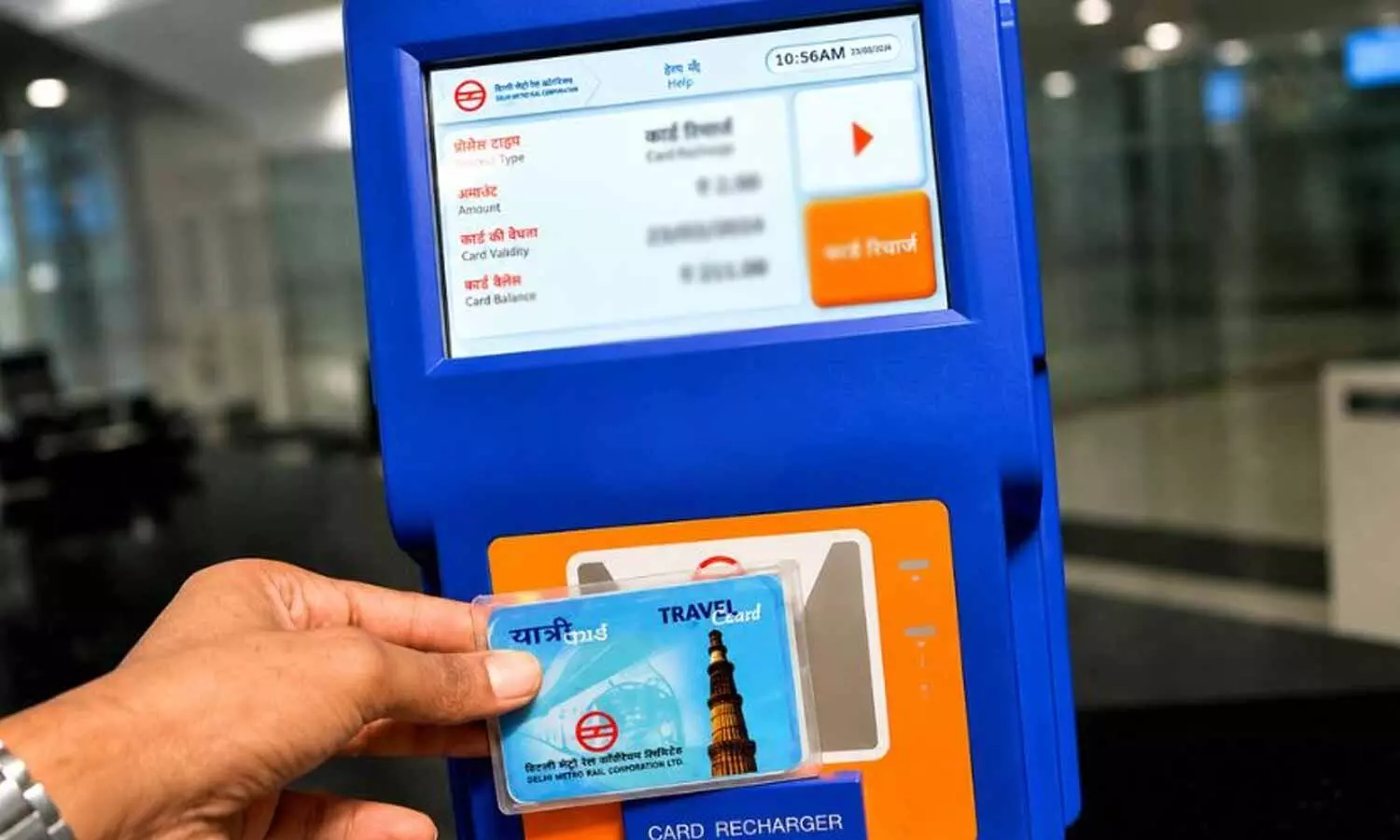
Virtual Metro Smart Card: How to Use Your Phone for Metro Travel
Carrying a metro smart card might not always be needed for people who take the metro as many metro systems in India now provide digital travel options through their official mobile apps. Depending on the city and the metro company, travellers can buy tickets using a QR code, add money to their travel account and use digital ticketing services right from their phones.
Digital metro services are not the same in every city. Features such as smart cards, QR tickets, mobile recharges and digital payments depend on the operator. Commuters should check the metro app before travelling so commuters know which digital metro services are available.
What is a virtual metro smart card?
A virtual metro smart card is an option that lets people who can use it travel on metro services using their smartphones. A virtual metro smart card can add money, show the balance or let you scan a QR code to enter a station depending on the operator. I find a metro smart card very convenient.
It is important to note that a virtual smart card and a QR ticket are not always the same. The functions of a smart card and the QR ticket, the way you pay and the rules for using them can be different from one metro system to another.
Which cities offer digital metro services?
Several Indian cities offer metro-related services through official apps. These include Delhi, Bengaluru, Mumbai and Pune. Delhi has its metro app. Bengaluru has its metro app. Mumbai has its metro app. Pune has its metro app. Each city provides these services through its official app.
The relevant apps include:
Delhi: DMRC Sarthi
Bengaluru: Namma Metro
Mumbai: Mumbai One
Pune: Pune Metro’s official app
The exact facilities available on these platforms can differ. Some may focus on QR-based ticketing, while others may provide additional digital payment or smart card-related services.
How to set up and recharge a metro card on your phone
To get started download the app of your metro operator, from the Google Play Store or the Apple App Store. If needed, log in using your mobile number.
Next look for an option such as ‘Card’ or ‘Smart Card’. If the app supports this feature, open it. Follow the instructions to set up the Virtual Card. After the Virtual Card is ready users can then select the ‘Up’ button or an option that looks similar. Users should then type in the amount they wish to add and finish the payment with any method that's available.
After payment check the balance to make sure that the recharge has been successfully added. If your metro app does not have a card, look for its QR-ticketing feature instead.
How to enter a metro station using your phone
If you have QR tickets, open the app and show the QR code on your phone. Scan it at the entry gate. Follow the on‑screen instructions.
The process can be different for smart cards depending on the metro operator. Commuters should follow the entry and exit procedure for virtual smart cards and ensure the phone used for virtual smart cards has sufficient battery throughout the journey.
Do virtual metro cards offer cheaper fares?
Not necessarily. Some physical metro smart cards give fares rather than buying a single ticket or a token. However, the lower fares may not automatically apply to cards or QR-based tickets.
Fare rules vary with city, metro operator and type of service. Fare rules mean that commuters must check the official fare details before believing that a digital option saves them, up to 10 per cent.
What to check before travelling
Before you rely entirely on your smartphone, for a metro journey make sure your city offers a smart card or only QR tickets. Also check how to recharge your smartphone, what fares apply to the metro journey, which discounters are available and how station gates work for the metro journey.
Keeping your phone charged is equally important. A little preparation before leaving home can help commuters avoid unnecessary delays at station entry or exit gates.


