




Google takes on MacBook with Gemini AI-powered Googlebooks; pre-orders open
In Short
Google has finally unveiled its new category of laptops: Googlebooks. Unlike Chromebooks, Googlebooks are designed as high-end devices that complement your Android phone while offering all the functionality expected from a PC.

Share :
Google takes on MacBook with Gemini AI-powered Googlebooks; pre-orders open
Google is taking a major step into the PC market with Googlebooks, its new laptop category. For years, the company focused on Chromebooks and ChromeOS laptops—which saw considerable success in the education sector—but it is now going a step further. According to the company, Googlebooks offer a premium experience aimed at Android users seeking a true PC companion for their smartphones.
Googlebooks run on Googlebook OS -codenamed “Aluminium OS”. Google states that this operating system combines Android's technological architecture with the desktop foundations of ChromeOS.
According to the company, Gemini intelligence plays a central role in the Googlebook user experience. Furthermore, these devices integrate closely with Android phones, even allowing them to run Android apps.
Specifications required for a Googlebook
The tech giant has established a set of common specifications that any laptop manufacturer must meet to design a Googlebook. Across the entire launch lineup, laptops must be constructed using high-quality materials such as aluminium, magnesium alloy, and carbon fibre; this means we will not see any Googlebooks with plastic casings.
Regarding the display, Google requires all models to feature touch capabilities and support 2.8K or 3K resolution OLED panels, although IPS panels are also permitted.
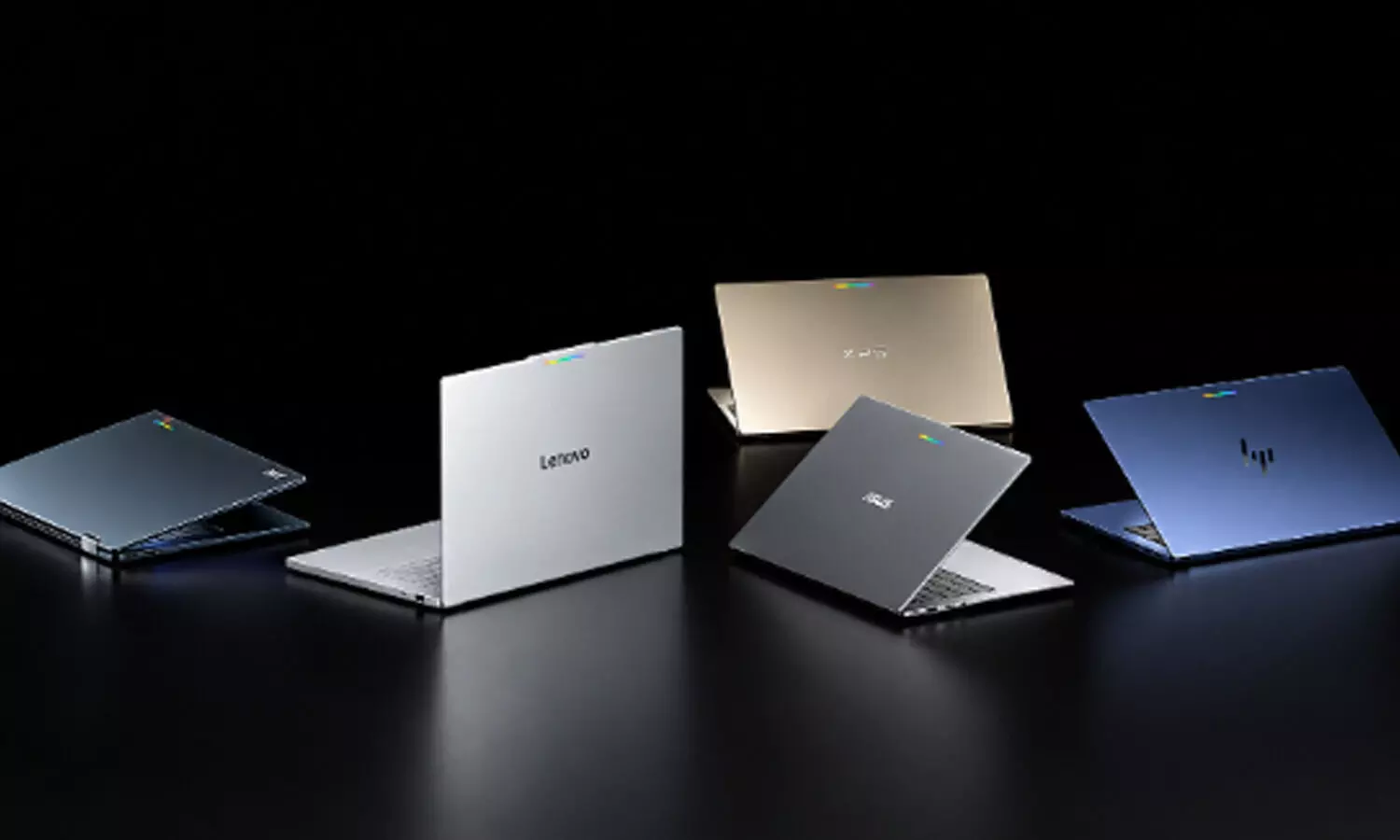
A distinctive feature of the Googlebook is the "Glowbar," a light bar first seen during the Android Show event in May of this year. This bar can be placed anywhere on the laptop lid and serves as a visual identifier that the device is a premium Google product. Additionally, all Googlebooks must feature a backlit keyboard, a haptic trackpad, and a fingerprint reader. Each device must be equipped with at least 16 GB of RAM and 256 GB of SSD storage, while also offering a battery life of up to 14 hours of video playback or over 14 hours of active use. The Googlebooks released to date—which we will discuss later—utilize Intel Core Ultra Series 3 or Snapdragon X Elite processors, paired with NPUs that deliver over 40 or 45 TOPS of on-device AI performance.
What can a Googlebook do?
Googlebook's main pitch is its integration with Android phones. Google says that when users set up the laptop, passwords, contacts, messages, Wi-Fi networks and other information from an Android phone are already available, backed by end-to-end encryption.
The Continue On feature will allow you to summarize tasks from a phone on the laptop from the taskbar. You also get access to photos and files stored on the phone via a dedicated Files app. Google also says Cast My Apps can stream and run phone apps in a desktop window, allowing users to do things such as check a one-time code or use a delivery app without switching devices.
On the software side, Google has built Gemini AI features directly into the new platform. Magic Pointer appears when users wiggle the cursor and can work with text, images and context on screen. Google says it can help with tasks such as turning a training plan on a webpage into scheduled runs in Google Calendar, checking whether a suspicious email is spam, or combining selected images.
Rambler – a feature we saw on the Pixel 11 phones – is also here. It is a voice-based writing tool placed next to the Quick Insert key. Rambler can turn spoken notes into organized writing with headers, bullet points and action items, and can handle more than one language in the same flow. Another tool, Create My Widget, lets users describe a widget in plain language and generate it without coding.
Googlebook also supports the desktop Chrome browser with extensions, as well as Android apps from the Play Store, many of them optimized for larger screens, keyboard and mouse input. Google says users will be able to run apps such as Adobe Photoshop, Adobe Lightroom and CapCut, stream shows with offline viewing, and play Android games.
The company also says every Googlebook includes Google Antigravity for building and deploying apps on the device, along with a Linux terminal environment for developer tools such as Claude Code and Antigravity CLI. On security, Google says the platform uses the same architecture as ChromeOS, including Google Titan hardware root of trust, on-device malware detection and a Level 5 security-certified pKVM hypervisor for an isolated Linux environment.
Googlebooks that you can buy
Google has announced five launch models in collaboration with Acer, Asus, Dell, HP, and Lenovo. The Acer Googlebook 14 is the only convertible model in the lineup and can switch between laptop and tablet modes. It starts at $899 (approximately 86,000 rupees) and features a 14-inch OLED touchscreen with 2.8K resolution, an Intel Core Ultra 5 or 7 processor, 16 GB of RAM, a minimum of 256 GB of storage, and a 71 Wh battery.
The Asus Googlebook 14 is the lightest of the bunch, weighing 2.2 pounds (approximately 1 kg). This device starts at $1,299 (approximately 124,000 rupees) and offers a 14-inch OLED touchscreen with 3K resolution and 500 nits of brightness, a haptic touchpad, and Intel Core Ultra 5 or 7 chips. The Dell XPS Googlebook is a compact device featuring a 13-inch screen with 2.5K resolution. It is powered by the Snapdragon X Elite processor and offers 16 GB or 32 GB of RAM and a minimum of 512 GB of storage. The starting price for the XPS Chromebook is $999 (approximately 95,000 rupees).
The HP Googlebook 14 starts at $1,299 (approximately 124,000 rupees) and is equipped with a Snapdragon X Elite chip. It features at least 16 GB of RAM, a minimum of 256 GB of storage, and a 14-inch OLED touchscreen with 2.8K resolution. The Lenovo Googlebook 15 features a soft-touch finish and also starts at $1,299 (approximately 124,000 rupees). The device features a 15.3-inch OLED touchscreen with 2.8K resolution, Dolby Atmos audio, an Intel Core Ultra 5 processor, 16 GB of RAM, and 256 GB of storage. Each Googlebook includes 12 months of Google AI Pro—featuring 5 TB of cloud storage and Gemini Advanced tools—while promotional bundles also cover three months of YouTube Premium, Adobe Photoshop, and other services. According to the company, buyers will receive regular updates and new features for up to 10 years.
However, you may have to wait to get a Googlebook in India. Currently, Googlebooks are available for pre-order in select regions. The devices will go on sale in the United States on October 4, and on October 5 in Canada, the United Kingdom, Ireland, France, Germany, and


