




- YS Jagan praises Flydubai Pilot Captain Smit Machhar
- G20 trade meet exposes fault lines over global rules
- Brazil pushes WTO reform, opposes coercive tariffs
- Flood crisis deepens in Bihar as embankments breached by Gandak River across multiple districts
- Bengal CM praises Indian pilot who foiled co-pilot's bid to crash flydubai flight
- India’s retail leasing touches 2.22 million sq feet in Q3
- OpenAI Accuses Moonshot of Massive Campaign to Copy AI Models
- Tripura launches month-long breast cancer awareness campaign
AP Government Faces Setback as HC Strikes Down 34% BC Reservation
In Short
The Andhra Pradesh High Court struck down the state government's 34% BC reservation in local body elections, ruling that total reservations cannot exceed 50%. The court directed the government and State Election Commission to conduct local body polls within six weeks.

Share :
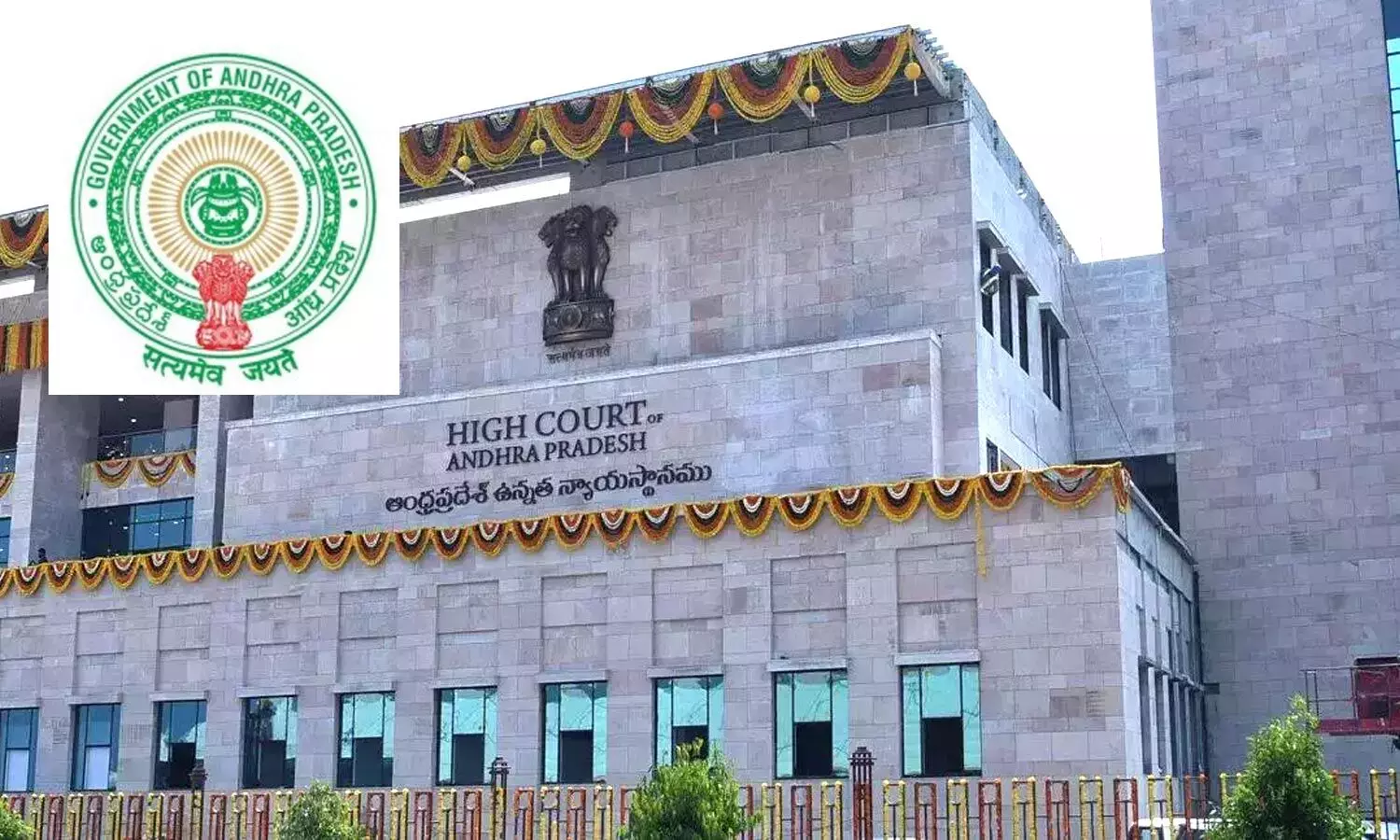
AP Government Faces Setback as HC Strikes Down 34% BC Reservation
The NDA government in Andhra Pradesh suffered a political setback on Thursday as the High Court struck down the Government Order (G.O.) providing 34% reservation for Backward Classes (BCs) in local body elections. The High Court also directed the government and the State Election Commission to initiate the election process within six weeks. The court said the total percentage of reservations cannot exceed 50%, in accordance with the Supreme Court’s ruling.
The court further said that the government should not postpone the elections on any grounds. It also dismissed the petition filed by the YSRCP, which had sought to defer local body elections until the completion of the Special Intensive Revision (SIR) process.
Sources said the government is unlikely to approach the Supreme Court and may instead implement the 34% reservation at the party level. This means political parties would allocate 34% of their seats to BC candidates. The government also appears to be in no mood to further delay the elections, as any delay could result in the loss of around ₹35,000 crore in funds from the Centre.
At present, BCs have 24.15% reservation in local bodies. The State Cabinet in August 2026 approved an increase in the reservation to 34%, stating that the NDA government was committed to social justice and that the decision would reaffirm its commitment to the welfare of BCs. The government also criticised the previous YSRCP government for allegedly failing to protect the interests of the BCs.
The government informed the court that the 34% reservation in local bodies was based on a contemporary enumeration of the BC population conducted through the ‘Unified Family Survey’ across the State. In its counter-affidavit before the High Court, the government stated that the decision to increase the reservation for BCs was based on their numerical strength, the diversity of communities and their geographical distribution.
According to the latest enumeration figures cited by the government, BCs constitute about 50.42% of the total population in the State. The government said the Unified Family Survey was undertaken across the State to verify and update family details and constituted a significant factual development that was not available during the reservation exercise conducted in 2020.
Chief Minister N Chandrababu Naidu said the decision to increase reservations for BCs in local bodies was a historic correction that would provide political voice, dignity and greater participation to the BC community. He said the NDA government wanted to give due recognition to BCs through education, skill development, entrepreneurship and employment. Increasing BC reservations was one of the promises made by the TDP during the 2024 election campaign.
AP Government Faces Setback as HC Strikes Down 34% BC Reservation
PM Modi Speaks To Family Of Injured Flydubai Pilot Smit Machchhar After Mid-Air Attack
India-EU FTA: Progress on trade deal and tech council reviewed, says Piyush Goyal
Nine killed as Pakistan strikes civilian areas across Afghanistan
Karnataka plans ban on half helmets; proposes Rs 5,000 fine for footpath riding: Minister Suresh
PM Modi speaks to Capt Smit Machchhar's family; lauds his bravery, assures assistance


