




- YSRCP demands fresh nomination process in 22 urban local bodies
- Rakhigarhi a legacy of craftsmanship, advanced civilisation: Haryana CM
- Centre launches portal to give farmers access to agri schemes on mobile phones
- RBI's 'Samvad 2026' kicks off, focuses on monetary policy, AI and financial stability
- ECI accepting SIR irregularities is PDA alliance’s greatest achievement: Akhilesh Yadav
- India condemns OIC's 'malicious' agenda, exposes 'desperate attempt' by Pakistan to divert attention from chaos at home
- 'Should face same punishment as adults': Abu Azmi demands lowering of age of juvenile offenders to 14
- Tiger Shroff Biography: From Jackie Shroff’s Son To Bollywood’s Action Star
Is Gen Z Being Drawn Into a Power Struggle in Andhra Pradesh?
In Short
The Andhra Pradesh Chief Minister, N. Chandrababu Naidu, while greeting the people of the state on the occasion of Dussehra, reminded them of the need to remain alert and ensure that, in real life too, they defeat evil forces that seek to foment violence and use Gen-Z as pawns for their political ends.

Share :
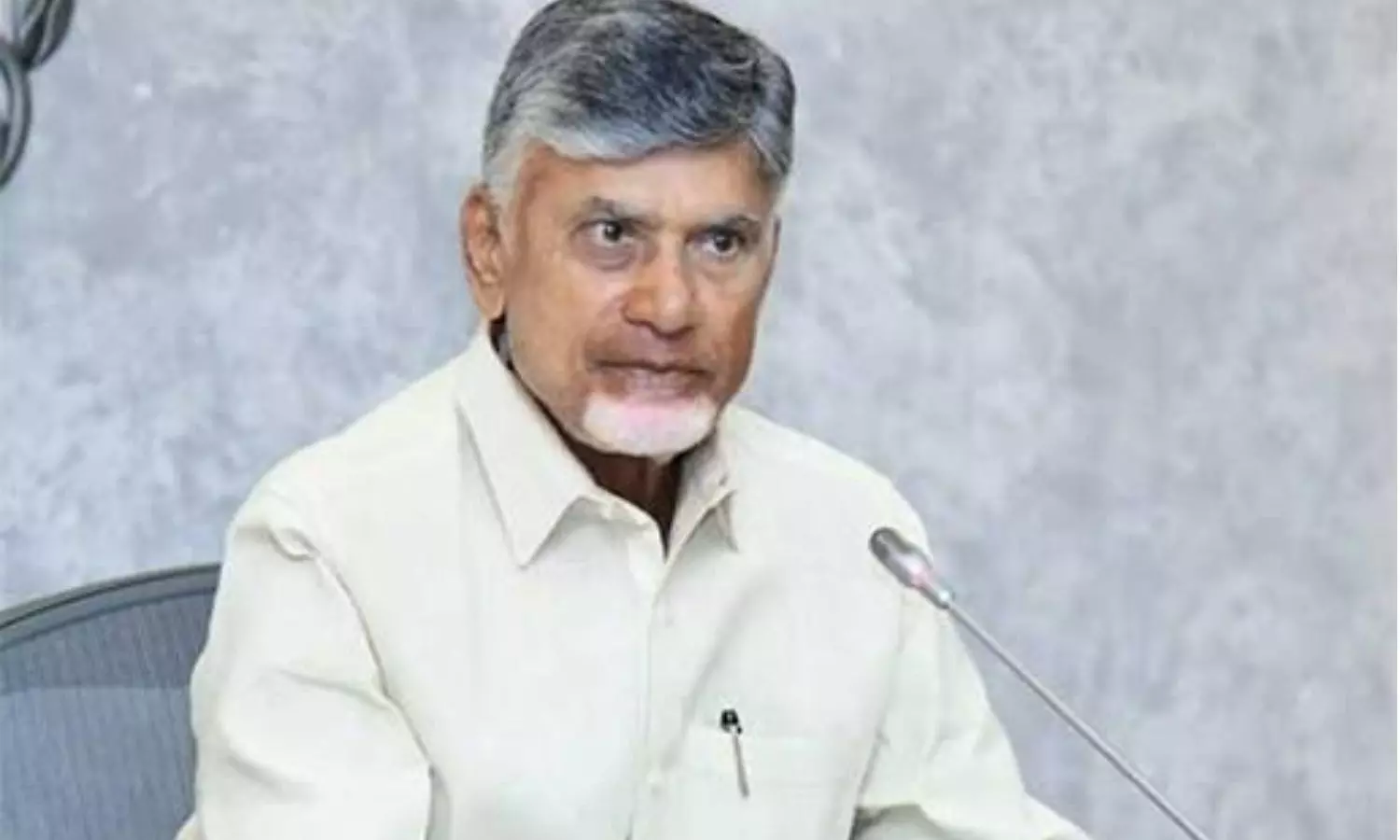
Chief Minister, N. Chandrababu Naidu
The Andhra Pradesh Chief Minister, N. Chandrababu Naidu, while greeting the people of the state on the occasion of Dussehra, reminded them of the need to remain alert and ensure that, in real life too, they defeat evil forces that seek to foment violence and use Gen-Z as pawns for their political ends.
At a press conference, he alleged that the opposition YSRCP was “willing to do anything and commit any crime to secure political power.” He said the party’s modus operandi was to create disturbances and blame him. It had followed the same pattern in the case of the killing of the uncle of Y. S. Jagan Mohan Reddy, he alleged, adding that the party continued to follow this approach.
Naidu also criticised Jagan for his remarks on Sunday calling for the restoration of the earlier system of appointing the Chief Election Commissioner (CEC) through a panel that included the Chief Justice of India, arguing that this would restore public confidence. Naidu said that, previously, the government decided who would become the CEC, while the President of India formally made the appointment.
Naidu recalled how the YSRCP had allegedly manipulated local body elections to secure large-scale unopposed victories when it was in power. He also alleged that the party had harassed the then State Election Commissioner, Nimmagadda Ramesh, who was eventually forced to seek protection from the Centre. Ramesh was harassed for reporting large-scale irregularities in the local body elections, Naidu added.
He said that during the previous YSRCP government, 24 per cent of MPTC seats and 19 per cent of ZPTC seats were won unopposed. These victories were allegedly secured through the misuse of official power, Naidu said.
Naidu further alleged that the previous government had introduced legislation aimed at disqualifying Opposition candidates. He also claimed that liquor bottles were planted in the homes of Opposition candidates to implicate them and that Opposition parties were prevented from filing nominations.
“Candidates were not even allowed to file nominations in Pulivendula, Jagan Mohan Reddy’s constituency. In contrast, candidates from various parties, including the YSRCP, have filed nominations in Kuppam, Pithapuram and Pulivendula in the current elections,” he added.
The Chief Minister said that, unlike during the YSRCP regime, a large number of nominations had been filed this time. He said the coalition would also take on the party politically and expose its actions. The previous government had misused official power, while its leaders were now resorting to attacks and intimidation, he alleged.
“Violence has no place in my life. But I will not run away from criminals and rowdies. Those who take action against rowdies and goons may become targets of retaliation, but I will not be intimidated by the threats of those sitting in Bengaluru and engaging in acts of lawlessness,” the TDP national president said.
He appealed to the people to elect good leaders.
Is Gen Z Being Drawn Into a Power Struggle in Andhra Pradesh?
Microsoft accounts for 33 pc of brand phishing attacks in Q3, Apple, Google trail: Report
Telangana asks govt offices to use electricity economically
Delimitation Bill talks: Rijiju writes to Kharge, hopes Congress won’t obstruct future bills
Kota Police’s Dramatic 15-Minute Operation Leads to Arrest of Shroff Shooting Suspects
BJP Chief Slams Rahul for Repeated ‘Vote Chori’ Claims; Rahul Dares Govt to Act Against Him
Telangana asks govt offices to use electricity economically
President Murmu extends greetings on the eve of Vijayadashami
No one from Bihar will be forced to migrate for manual labour by 2030: Samrat Choudhary
SP neglects Dalits, backwards: UP ministers on Akhilesh Yadav's manifesto release announcement on Constitution Day


