




- Kishau dam will increase water availability in Yamuna, says Haryana CM
- Engineers key to MP's economic and social development: CM Mohan Yadav
- DDCA unveils enhanced LED perimeter displays at Arun Jaitley Stadium during India-Afghanistan T20I
- GCL Season 4: Ganges Grandmasters stun holders Alpine Pipers to clinch maiden crown
- Chip Maker Applied Materials to Invest ₹3,600 crore: MB Patil
- Modi Raised India’s Concerns In Xi Jinping Talks, Stressed Mutual Sensitivity: MEA
- Army's Western Command commemorates 80 years of service at Chandimandir
- Hope Kerala govt will eventually give green signal to high-speed rail: Sreedharan
Why do Cars Need Two Batteries?
In Short
why modern cars use two batteries - the starting battery and the auxiliary battery - and explore the different types of car batteries, including AGM and lead-acid.

Share :
Why do Cars Need Two Batteries?
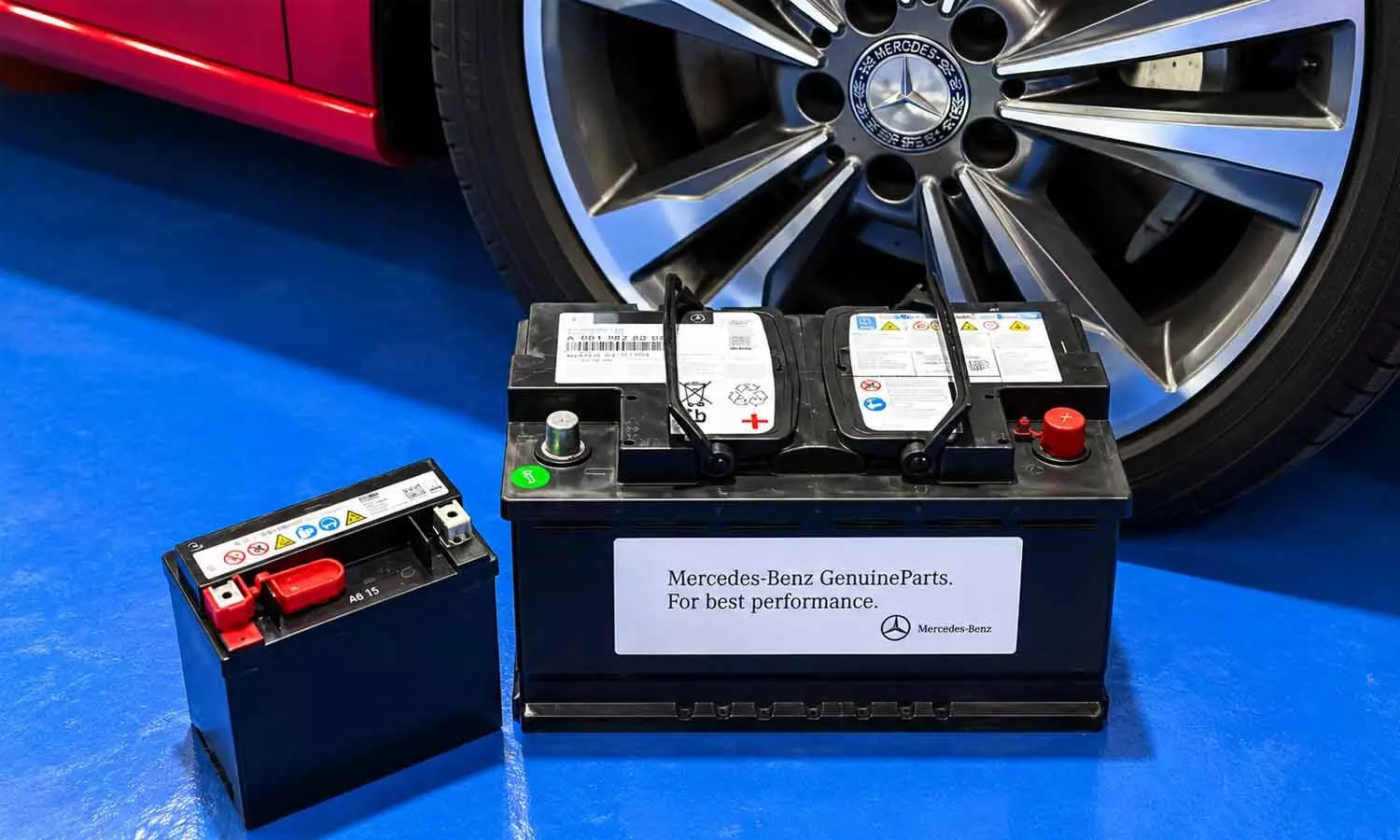
Have you ever thought, why your car requires two batteries? You might have noticed them in the engine compartment, one large battery and a smaller one, often referred to as the auxilary battery. The presence of two batteries might seem unnecessary, but they serve distinct purposes in your vehicle’s electrical system.
The major reason for having two batteries, firstly to offer reliable and stable power source for your vehicle’s electrical system. The main battery is also known as the starting battery; it is responsible for starting the engine and powering the electrical system during cranking. The auxiliary battery, on the other hand, requires power to the electrical system when the engine is running.
There are several types of batteries used in the cars
Lead-acid batteries: These are the most common type of battery used in cars; they consist of lead plates and sulfuric acid, which offer the essential necessary chemical reaction to produce electricity.
AGM (Absorbed Glass Met) Batteries : These batteries use a special type of separator to absorb the acid, thus making them more resistant to vibration and shock.
Start-stop batteries: These batteries are designed to handle the high surge of power needed to start the engine in the Start-stop vehicles.
Deep Cycle Batteries : These batteries are designed to handle the heavy loads required to power electrical system in vehicles, such as in RVs and boats.
Assam's Saraighat Bridge undergoes Rs 7-crore rehabilitation to strengthen safety
Telangana CM seeks AKDN's cooperation for development initiatives
NHRC seeks report from Rajasthan CS over woman allegedly beaten, paraded semi-nude in Banswara
India's goods & services exports jump 25.4 per cent to cross $82 bn in August
NSE co-location case: SC says trial court to decide if Chitra Ramkrishna was a ‘public servant’
Tripura: Thief cuts own hand to evade arrest, held from hospital bed


