




- Roshan Meka's 'Emo Emo Idi' Theme Song Is Out; Fans Love the Romantic Vibes
- TRAI Mandates Cheaper Voice-Only Recharges: What Changes for Airtel, Jio, Vi Users
- NIA raids five locations in Bengal in Bangladesh-based JMB's sleeper cell case
- Bengal Minister Dilip Ghosh issues stern warning over corruption in name of Durga Puja
- Bengal mulls action against doctors for attending Abhishek's Sebashray camps without approval
- Dengue cases drop nearly 40 pc in Gujarat; districts told to intensify checks
- Ganesh Visarjan rush turns hunting ground for thieves in Mumbai; 18 arrested, 192 mobile theft complaints
- CEO Seeks ECINet Changes To Give Local Poll Officers More Discretion
Why sedans still have a place in India's SUV-dominated market
In Short
Despite the growing popularity of SUVs in India, sedans remain relevant for their comfort, fuel efficiency, driving dynamics, refined design and value for money.

Share :
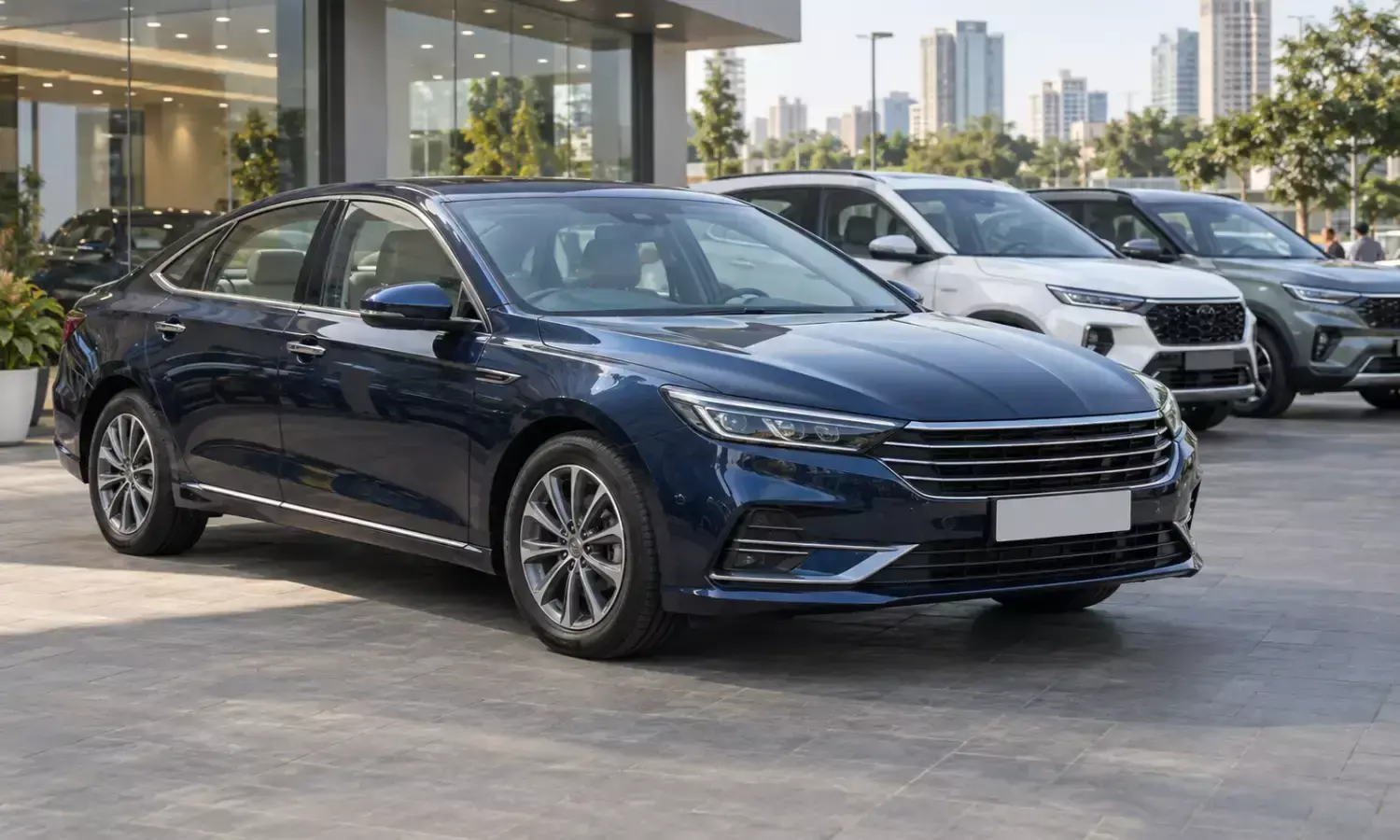
Why sedans still have a place in India's SUV-dominated market
Walk into almost any dealership today, and the SUV wall hits you first. Tall bonnets, black cladding, roof rails on everything. Sedans get pushed toward the corner - often one display car, maybe a brochure stand nearby.
But sales data tell a more layered story. Sedans keep moving steadily in specific segments, particular buyer profiles. Understanding why means looking past body-style fashion and studying how these cars actually behave on Indian roads. That distinction matters more than most showroom conversations suggest.
The engineering case that never disappeared
Here's something worth knowing before we get into comparisons: a sedan's floorpan sits lower. That's not a small thing. It drops the centre of gravity by a meaningful margin compared with a similarly sized SUV built on the same platform, and that one difference cascades into everything else - less body roll through a corner, shorter braking distances on wet tarmac, a calmer feel once highway speeds climb.
The Volkswagen Virtus sedan is a useful case study here, because it shares its MQB A0 IN underpinnings with a compact SUV from the same stable, yet the driving character is noticeably different past 100 kmph..
Aerodynamics play their part too. A sloping boot lid and lower roofline cut drag, and that matters more than most buyers realise on long expressway runs.
What the numbers show when body styles are compared directly
Here's the practical comparison that rarely appears in a brochure.
Parameter | Midsize Sedan | Midsize SUV |
Boot Capacity | Roughly 500 to 520 litres, enclosed | Often 400 to 440 litres, open to cabin |
Ground Clearance | Around 165 to 180 mm | Around 190 to 210 mm |
Highway Fuel Efficiency | Typically 2 to 4 km/l better | Lower, due to aerodynamic disadvantage and weight |
Cabin Access | Lower sill, requires stepping down | Upright, easier for older passengers |
Kerb Weight | Generally lighter by 80 to 150 kg | Heavier, affecting tyre and brake wear |
Sedans win on boot volume, running costs and stability. SUVs win on ingress, road visibility and clearance over broken surfaces. Neither list is universally superior - the right answer depends entirely on where the car spends most of its life.
Ground clearance deserves an honest note. In cities with steep ramps, unmarked speed breakers or serious waterlogging during monsoon, a sedan's lower nose is a genuine limitation, not a marketing footnote. Plenty of buyers have reported scraping their front bumpers within the first year of ownership, sometimes repeatedly on the same parking ramp they use daily.
Efficiency, hybrids and the cost of ownership question
Running costs are where the sedan argument sharpens. Lighter kerb weight means smaller tyres, less brake wear and lower replacement costs across a five-year ownership window. Insurance premiums also tend to sit slightly below equivalent SUVs, because declared values in the same price band run lower.
Hybrid powertrains have added another layer to this. The Honda City Hybrid uses a system that runs on electric drive for much of city commuting, with the petrol engine acting largely as a range extender until higher speeds are needed - a setup that genuinely changes the ownership equation for high-mileage urban drivers.
Claimed efficiency sits in the mid-20s km/l range, and real-world urban figures reported by owners land well above what a comparable petrol SUV manages in the same traffic. However, hybrid variants carry a premium, and anyone driving under 800 km a month may never recover the difference. Worth calculating honestly before signing anything.
Who should still be shortlisting a sedan
Sedan demand has concentrated rather than disappeared. Highway commuters, chauffeur-driven buyers and families who genuinely prioritise rear-seat comfort keep returning to the format.
Fleet and corporate buyers form another steady group. Predictable running costs, better highway efficiency - none of that is sentimental. These buyers are running spreadsheets, and the sedan math works.
Resale is the one area where sedans currently sit at a clear disadvantage. Demand skews toward SUVs in the used market, which steepens depreciation curves in certain segments. Anyone planning a three-year exit should factor that in before committing.
For buyers driving mostly on good roads, valuing ride refinement and carrying luggage regularly, the sedan is the more logical machine.
Ujjain mosque portion removal continues for 2nd day amid tight security
Roshan Meka's 'Emo Emo Idi' Theme Song Is Out; Fans Love the Romantic Vibes
TRAI Mandates Cheaper Voice-Only Recharges: What Changes for Airtel, Jio, Vi Users
NIA raids five locations in Bengal in Bangladesh-based JMB's sleeper cell case
SIR Row: Can It Reunite Opposition Parties?
ACB raids in NIMS doctor's DA case, seized Rs 7 lakh from barbar shop
J&K Assembly: BJP MLAs stage walkout to protest statehood restoration resolution
CM Revanth for nationwide stir against SIR
Amit Shah to visit Telangana on Oct 4
Fund crunch necessitating capex cut: 2,000 files pending in TG Finance wing


