






Explainer: Cash limit, modus operandi as per RBI’s new domestic money transfer rules
In Short
The framework also specified monthly limits, along with safeguards to prevent fraud and misuse.

Share :
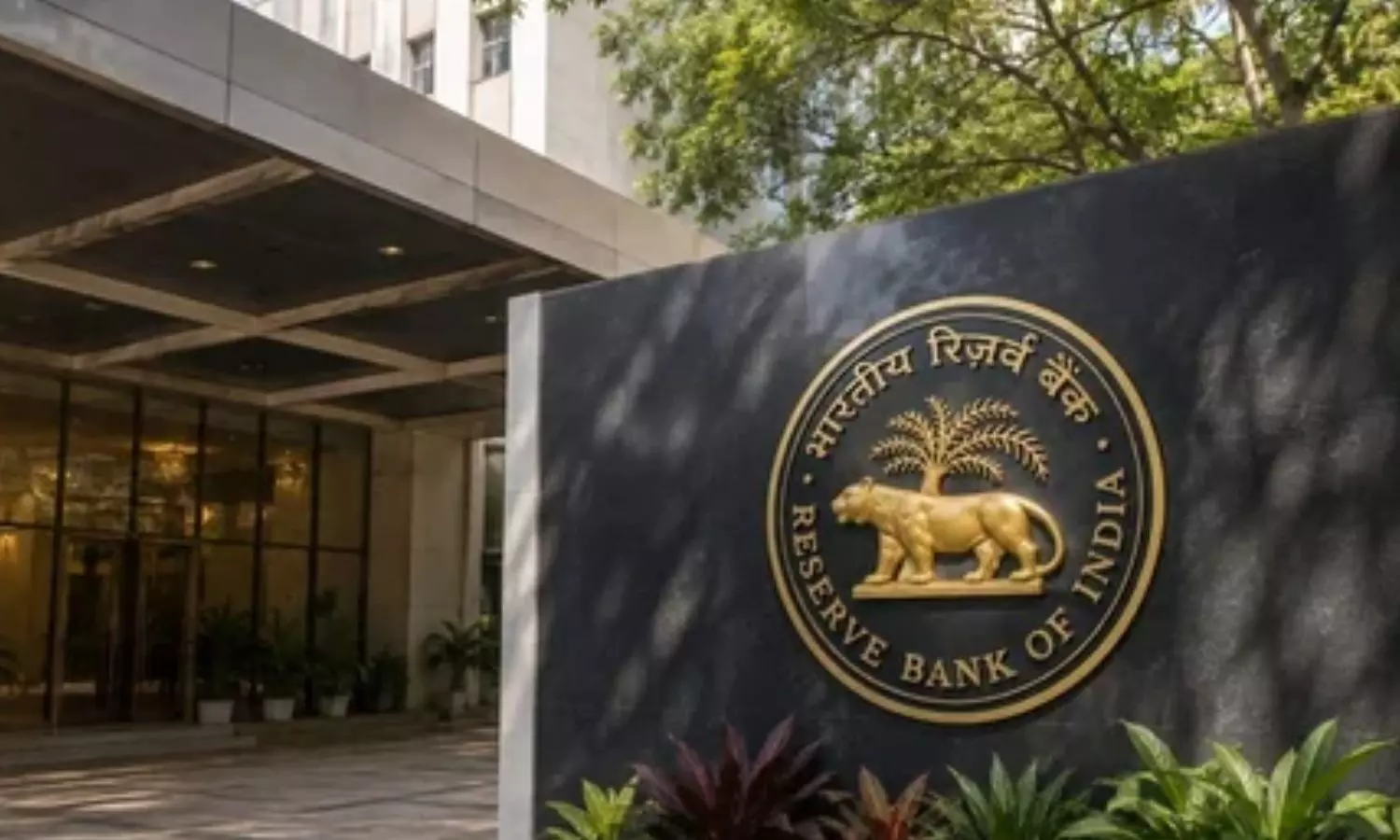
Reserve Bank of India (RBI)
New Delhi: The Reserve Bank of India (RBI) has consolidated rules governing domestic money transfers, which said that individuals at a bank branch can transfer up to Rs 50,000 in cash to another person's bank account through the National Electronic Funds Transfer (NEFT) system, without maintaining an account with the bank.
The framework also specified monthly limits, along with safeguards to prevent fraud and misuse. The maximum amount that can be received is Rs 10,000 per transaction, subject to a monthly limit of Rs 25,000 per beneficiary.
For cash transfers through business correspondents, ATMs and other permitted channels, the limit is Rs 5,000 per transaction, subject to a monthly ceiling of Rs 25,000 per remitter.
The rules largely consolidate existing instructions rather than introduce substantial changes to transaction limits. The framework will help migrant workers, daily wage earners and people who need to send money to family members in other parts of the country but may not have access to regular banking facilities.
Customers using these channels must register with a verified mobile number and submit a self-certified officially valid document in accordance with the RBI's Know Your Customer (KYC) requirements.
Every transaction must also undergo an additional factor of authentication. Under this facility, a person can receive money sent from another person's bank account and collect it in cash through an ATM, business correspondent or another authorised payment channel.
The bank sending the money must record and maintain the beneficiary's name and address. This facility can help people who receive financial support from family members working in other cities but do not have bank accounts of their own.
The central bank has directed banks and non-bank entities to establish monitoring systems to prevent fraud and misuse of cash-based transfers, including monitoring transaction frequency, sending alerts during crediting amounts and investigating unusual increases in the number of credits into a particular account or group of accounts.
PM Modi Inaugurates Bengaluru Metro's Pink Line, Takes Ride With Karnataka CM DK Shivakumar
Telangana plans special polio drive on 22 Nov
CM pitches for P4 model, AP's new 'norm' for inclusive growth
If Telangana Was Her Political Achievement. Why Did Sonia Leave It Out?
CM stresses on creation of opportunities to underprivileged to progress in life
IPS VC Sajjanar bids farewell as Hyderabad CP, shares heartfelt post on X


