






- Women drone pilots transforming India’s agricultural landscape
- Fire breaks out on Pacifica Hillcrest Apartments; no casualties reported
- AICC appoints Simon Alex Saran as Secy for Telangana
- Bengal govt initiates preparation for 2027-28 state budget, sets Nov 23 deadline for proposals
- PM Modi to inaugurate First SCO Civilisational Dialogue Forum in Delhi tomorrow
- 'Moily revealed that UPA-era allegations against PM Modi, HM Shah were politically motivated': BJP
- Boost wages to drive consumer demand, sustain growth momentum: Economic Affairs Secretary
- PM Modi Urges Ministers To Promote Savings, Says ‘Khao, Peeyo, Mauj Karo’ Not Part Of Indian Culture
India’s edible-oil bill at risk as global food crisis looms
In Short
"Together, these factors could lift prices above their 2022 level," they said.

Share :
India’s edible-oil bill at risk as global food crisis looms
Washington: A combination of conflict, extreme weather and rising production costs could push global food commodity prices above their 2022 levels, World Bank economists have warned, highlighting risks relevant to import-dependent markets such as India's edible-oil sector.
In a report circulated on Wednesday, economists John Baffes, Dawit Mekonnen and Kaltrina Temaj identified disruptions to Black Sea shipments, a stronger-than-expected El Nino, higher energy and fertiliser costs, increased biofuel demand and export restrictions as potential drivers of further price increases.
"Together, these factors could lift prices above their 2022 level," they said.
The warning accompanied their analysis, 'Overlapping shocks: Risks to global food markets in 2027'. It builds on the World Bank's October Commodity Markets Outlook rather than announcing a new forecast.
That outlook projects the Bank's global food commodity price index will rise by about 10 per cent in 2026 and another 7 per cent in 2027, before declining by about 5 per cent in 2028.
Its forecast tables show grain prices rising by approximately 14 per cent this year and 9 per cent next year. The oils and meals index is projected to increase by about 17 per cent and 8 per cent, respectively. These are international commodity-price projections, not forecasts of equivalent increases in Indian grocery bills.
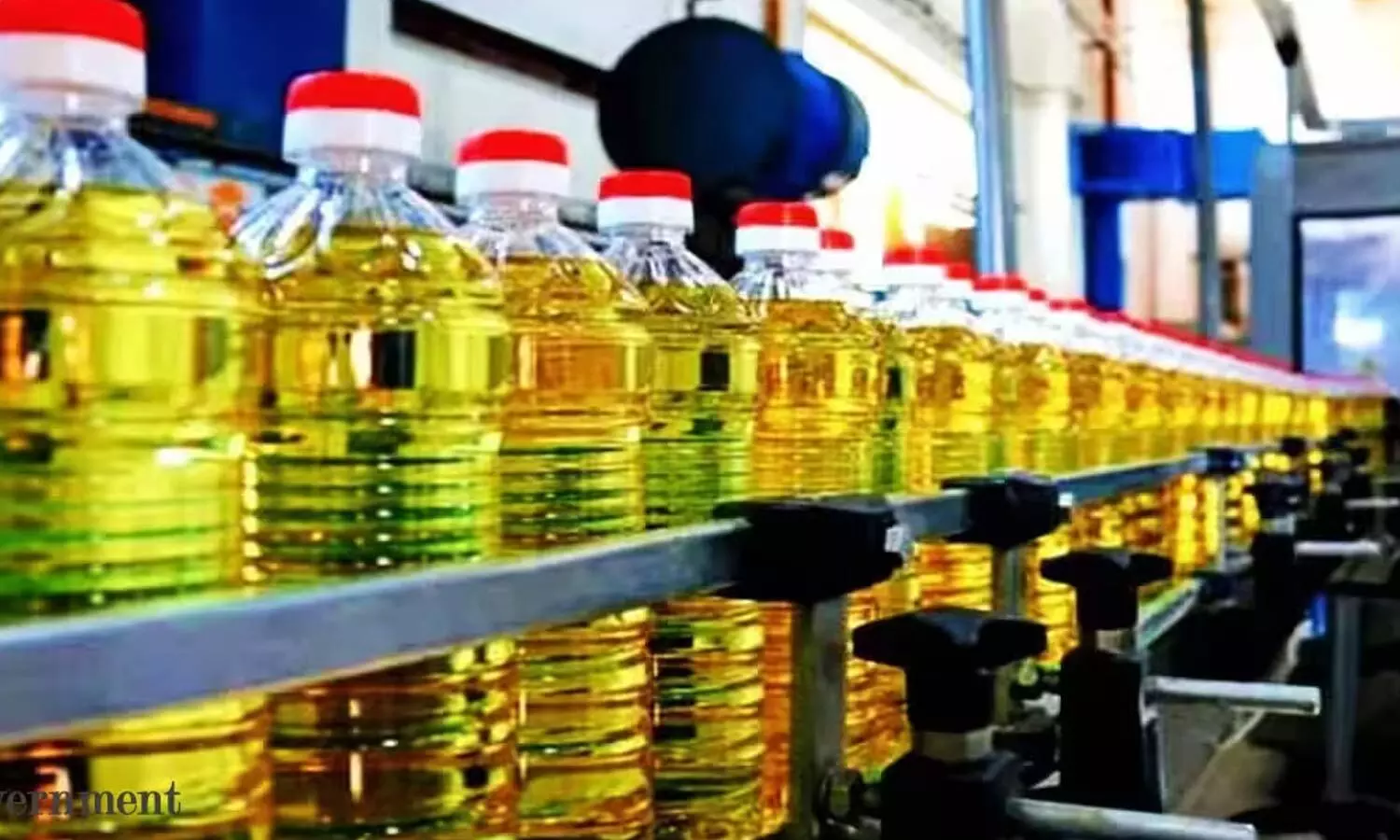
For India, edible oils provide a direct connection to the global outlook. A December 2025 government backgrounder put the country's import dependence at 56.25 per cent of edible-oil consumption in 2023-24.
Reliance on overseas supplies exposed Indian consumers to international price fluctuations and supply disruptions, it said. It also described government efforts to expand domestic oil-palm and oilseed production.
In a separate analysis published on November 12, the World Bank economists said global edible-oil supplies were expected to grow by 2.7 million tonnes in 2026-27, less than half the long-term average annual increase of 5.7 million tonnes.
At the same time, demand for soybean and palm oil for biofuels was increasing, supported by high energy prices and policies in the United States and Indonesia, they said.
The economists also warned that declining inventories would leave food markets more vulnerable to weather and trade disruptions.
Akvan Impact: Rough Seas Force 80 Andhra Fishermen to Take Shelter in Odisha
Modi to India Inc: Chart 10-Year Roadmap to Make India a Viksit Bharat by 2047
Gadkari asks engineers to come up with proper DPRs
CM Revanth Reddy urges Gadkari to green light TG’s multiple road devpt projects
Rumblings in Congress over Raj Gopal Reddy’s outbursts
CM Revanth Reddy blasts KCR, Harish for AP pacts


