






Retail resilience: Why crisis mgmt is becoming a business imperative
In Short
Post-Covid era calls for more prompt, efficient and robust strategies that place employers, employees and customers at the centre

Share :
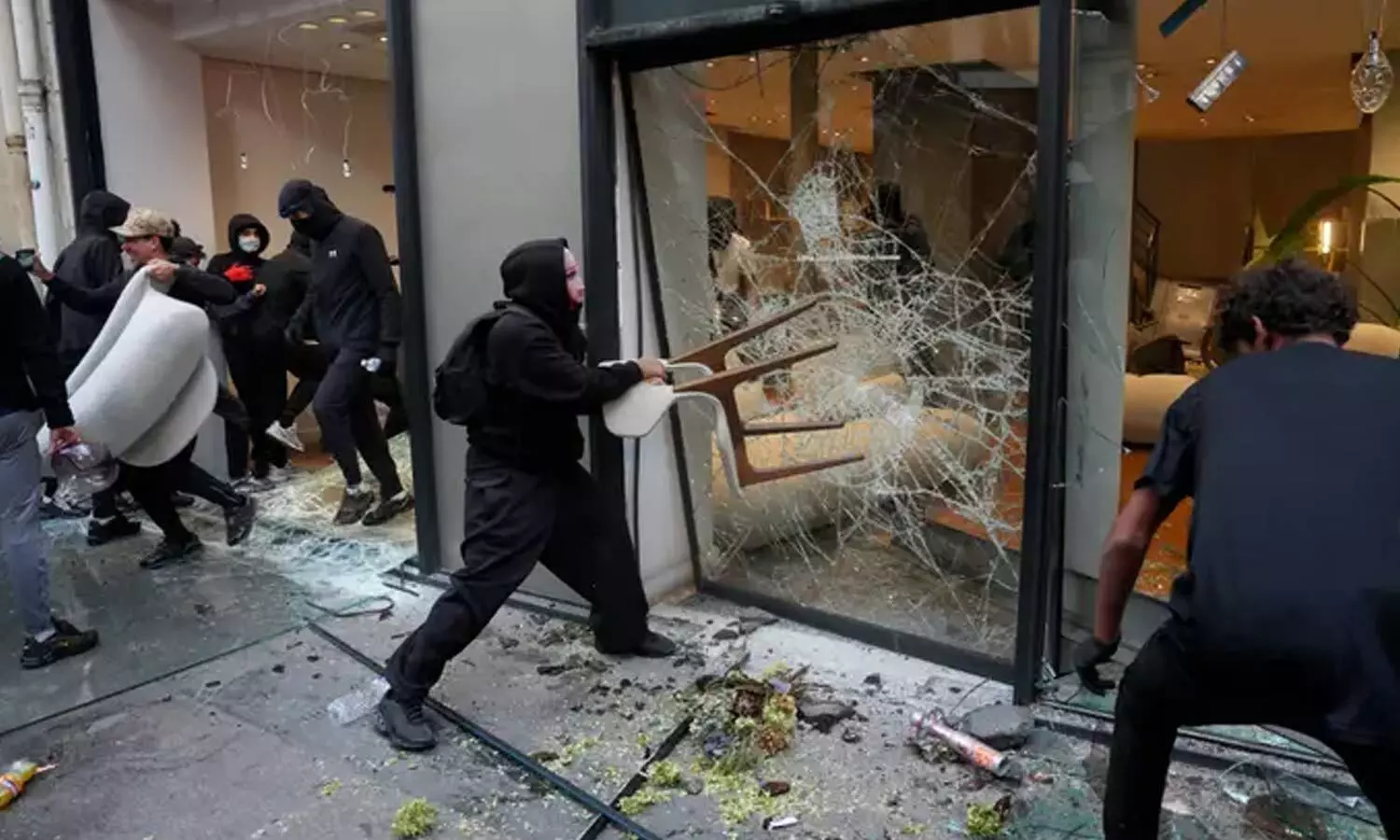
Looters attack a luxury store in Paris
Retail has come a long way since the Covid-19 pandemic. Store closures, halted operations and heavy financial losses defined those two years. Since then, the industry has rebuilt itself around new technology, richer customer experiences and rapid expansion. But one thing hasn’t changed - the threat of a crisis. Whether it is a supply chain breakdown, a cyberattack or a geopolitical shock, disruption has become the norm. Retailers that prepare for such eventualities will outlast those that don’t.
Not long ago, Paris and other parts of France witnessed significant security incidents involving retail establishments last month, particularly luxury boutiques, fashion and jewellery stores, and shopping centres. The internet was flooded with videos of stores being ransacked amid protests over the rising cost of living, which were joined by students and Yellow Vests protesters. According to the Fédération du commerce et de la distribution (FCD), the protests damaged nearly 1,500 shops, with retail outlets across the country being vandalised. These were no ordinary brands. The targets included Burberry, Christian Dior Parfums and Louis Vuitton on Rue Saint-Honoré, as well as Kenzo and Salomon. All were globally coveted names.
Another incident highlights the risks posed by natural disasters. Lucknow experienced severe flooding, with Gomti Nagar, one of the city’s most premium locations, submerged under nearly nine feet of water. The flooding affected businesses operating at Phoenix Palassio and other high-street locations. Few had anticipated such an event, particularly as the monsoon season had already ended. Yet, this year’s monsoon rainfall broke records in several parts of the country. The flooding occurred in October, just as the festive season, a crucial period for retailers seeking to maximise sales.
In April 2025, Marks & Spencer suspended online orders through its website and apps following a ransomware attack. The company reportedly acknowledged the business losses arising from the cyber incident and apologised to customers for the disruption to its digital services. The attack was unforeseen, and its impact was reflected in the market: M&S shares fell nearly 5 per cent, making the retailer one of the biggest fallers on the FTSE 100. In November 2025, the British retailer reported a £324 million loss in sales. The incident served as a reminder that digital retail ecosystems remain vulnerable to cyberattacks, regardless of how sophisticated a business may be. Cybercrime is a growing reality for the industry.
A geopolitical event, an untimely natural disaster and a cyberattack point to one universal inevitability: the need for effective crisis management. These incidents are significant not merely because of their causes but also because of their timing. They highlight how the nature of crises is changing. Each struck without warning, but the response determined the resilience of the businesses concerned. None of these companies could have entirely prevented the crises. M&S, for instance, responded to the cyberattack and aimed to recover its losses by March 2026. Luxury retailers in France deployed private security personnel rather than relying solely on state security arrangements to minimise losses from vandalism.
Crises are an eventuality. The starkest difference lies in how quickly retailers protect people, communicate with customers and keep their businesses afloat. Retail resilience is ultimately determined by preparedness and responsibility.
Earlier, crisis management in the retail industry primarily focused on identifying and mitigating predictable, largely local, regional or national risks, such as fires, theft, natural disasters, supply-chain disruptions, and technological, financial and organisational setbacks. Businesses adopted preventive and reactive approaches based on risk assessments, forecasting and emergency response protocols to limit financial and reputational damage.
However, the post-pandemic era calls for more prompt, efficient and robust strategies that place employers, employees and customers at the centre. Crisis management has evolved into a more comprehensive, proactive and resilience-driven business strategy, particularly as the VUCA (volatile, uncertain, complex and ambiguous) world has become the new reality.
(The writer is a brand marketer, educator and writes on fashion & retail, lifestyle and culture)


