




- Telangana CEO warns over false voter-roll applications
- Google to change Gemini AI plans from October 9; here’s what users need to know
- Bengal BLOs seek security cover for fresh voter enrolment drive after SIR exercise
- Thailand braces for more rain as death toll from recent flooding hits 31
- Union Minister Gajendra Singh Shekhawat invited to Vijayawada Dasara celebrations
- Venkatesh’s Adarsha Kutumbam Postponed: Naga Vamsi Reveals The Reason
- Beware: WhatsApp Wedding Card Scam Could Empty Your Account; How to Stay Safe
- Cong turned Telangana into ATM to fund propaganda, says Ramchander Rao
Oil market risks rising as inventories shrink, Hormuz reopening crucial: Saudi Aramco CEO
In Short
Speaking at the Energy Intelligence Forum in London, Nasser said emergency releases of strategic petroleum reserves by major economies may provide short-term relief but would not resolve underlying supply-demand imbalances in global energy markets.

Share :
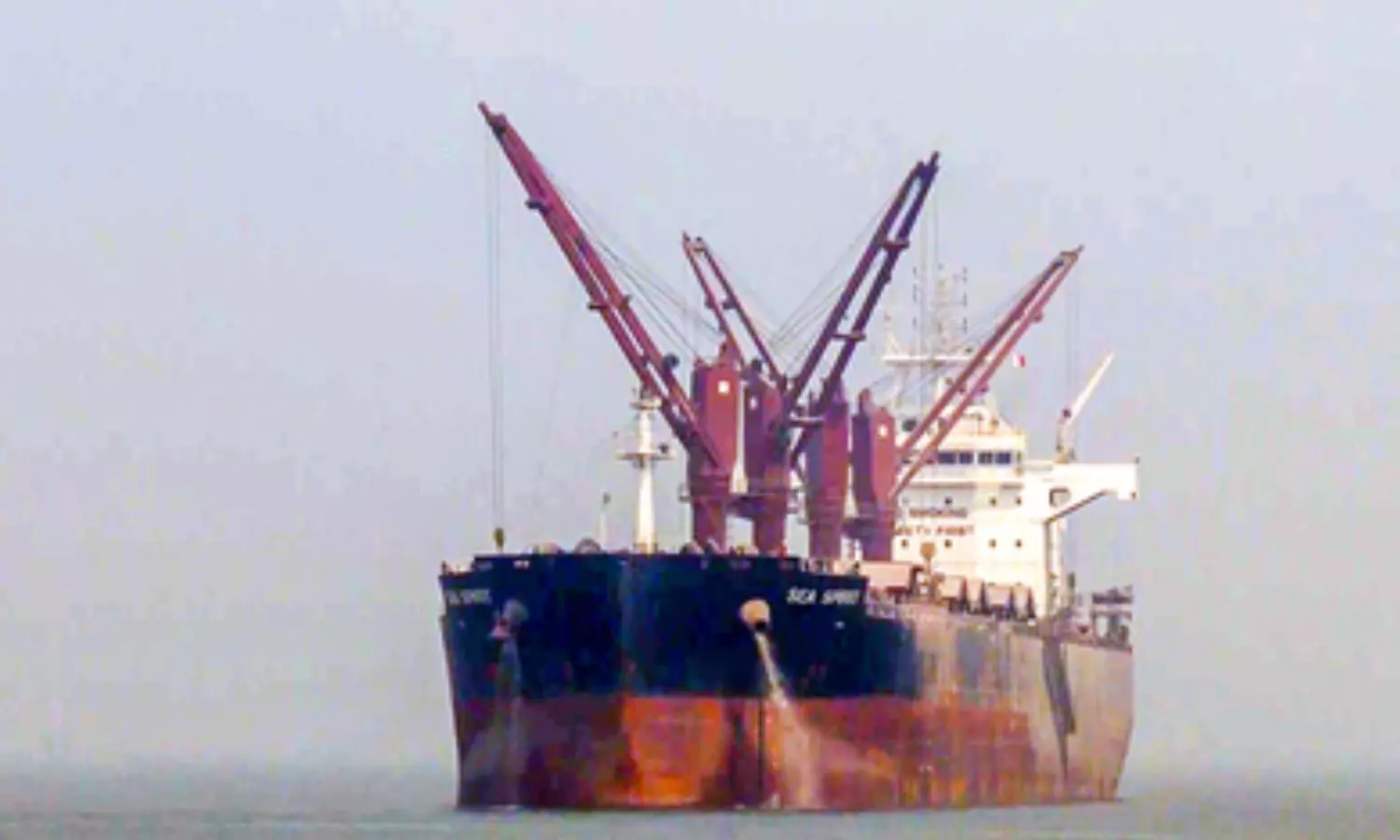
Global oil stockpiles have fallen to alarmingly low levels
New Delhi: Global oil stockpiles have fallen to alarmingly low levels, leaving energy markets vulnerable to further supply disruptions unless the Strait of Hormuz fully reopens, Saudi Aramco Chief Executive Amin Nasser said on Monday.
Speaking at the Energy Intelligence Forum in London, Nasser said emergency releases of strategic petroleum reserves by major economies may provide short-term relief but would not resolve underlying supply-demand imbalances in global energy markets.
“Oil inventories that normally cushion markets against shocks have become scarily thin,” Nasser said
He warned that pressure on both crude oil and refined fuel markets is likely to intensify until confidence returns and shipping through Hormuz normalises.
His comments came days after major economies announced plans to release up to 100 million barrels of emergency oil and diesel reserves to contain rising fuel prices.
According to Nasser, rebuilding depleted inventories could take as long as two years even after the critical shipping route reopens fully.
The Strait of Hormuz -- a key conduit for global energy trade -- has faced disruptions since the outbreak of conflict following US and Israeli attacks on Iran earlier this year.
However, Gulf producers have stepped up efforts to restore exports, lifting crude shipments to levels approaching those seen before the conflict.
Saudi Arabia, the UAE and Kuwait have increasingly relied on their own tanker fleets to move crude through the waterway.
Saudi Aramco has also boosted exports from its Ras Tanura terminal and restored flows on its East-West pipeline to about 80% of capacity after a recent attack temporarily disrupted operations.
Despite higher export volumes, oil markets continue to factor in geopolitical and security risks in the Persian Gulf and Red Sea.
Moreover, international oil benchmark Brent crude has traded around the $100-per-barrel mark over the past month which reflects concerns over potential supply interruptions.
Nobel medicine prize goes to 3 scientists for research into brain activity
TMC Suffers Yet Another Setback. Film actor Rukmini Mallick joins BJP
Five Judges take oath as permanent judges at AP High Court
Oppn United in Cause, Divided in Agenda; Cong, CJP at Loggerheads
GHMC revises KBR Park flyover plans, mulls for permanent one-way traffic
Flydubai Co-Pilot Had Planned Ben Gurion Airport Attack: Israeli Media


