






Government must crack down on fake universities
In Short
The UGC’s identification of 32 fake universities across India—including a dozen in Delhi—exposes glaring regulatory failure and raises tough questions about accountability, student protection, and the Viksit Bharat 2047 vision.

Share :
Government must crack down on fake universities
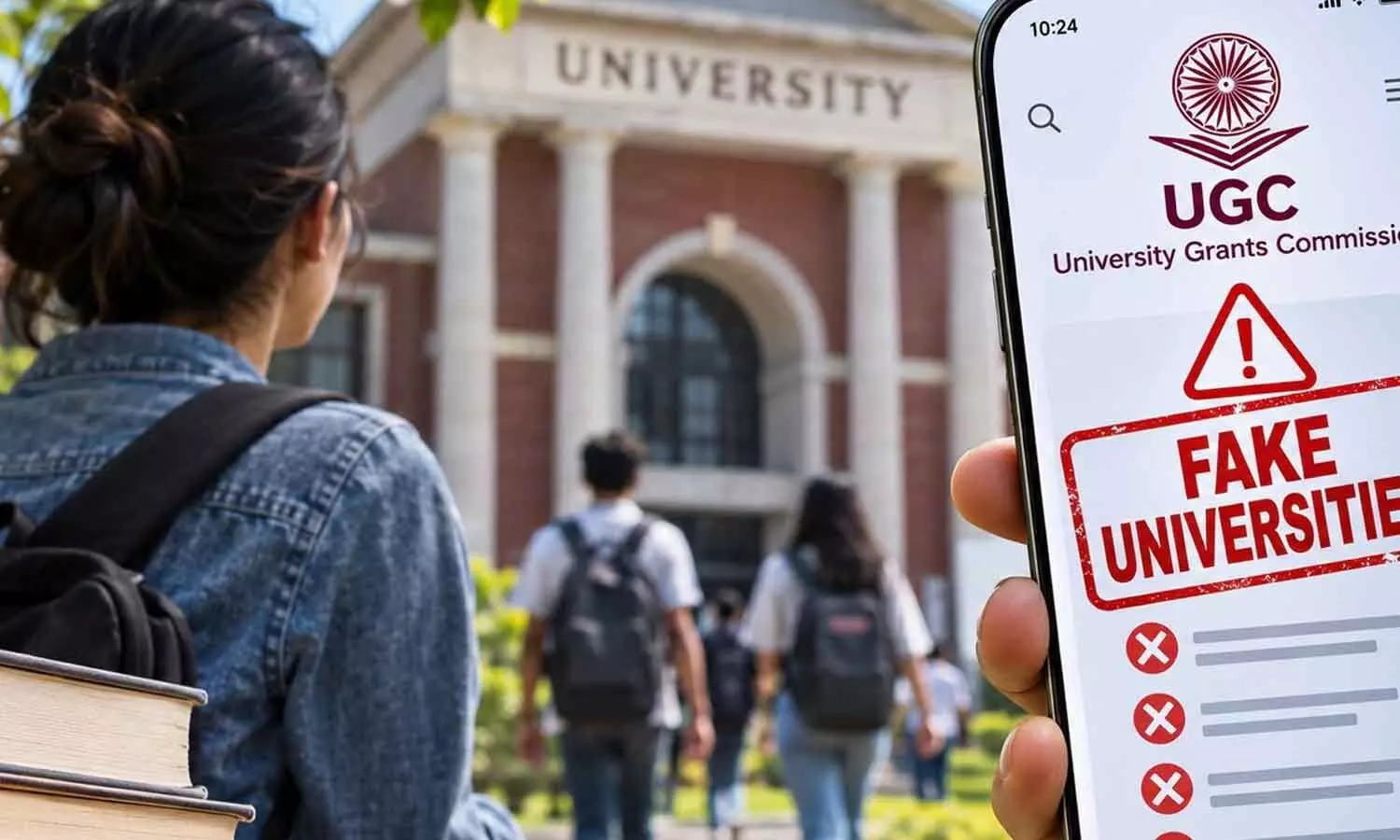
Something is rotten in the statecraft of India. Only this can explain the astonishing phenomena in the country. Like that of fake universities. The University Grants Commission (UGC) has reportedly identified 32 such institutions; a dozen of them still operate in Delhi. How on earth does something like that happen in the capital of a country that aspires to become ‘Viksit’ by 2047, as per the government’s framework? Currently, when everything and everyone is getting digitised, how could the authorities at the local, state, and central levels be so blind as to remain ignorant of the springing up of dozens of fake universities?
Obviously, the 32 institutions couldn’t have come into being in a single day; it must have happened over the years in vast swathes of the country. Media reports reveal that Uttar Pradesh has four institutions, while six other states and Union Territories have two each and four states have one such university each. Tragically, policy and decision makers were blissfully ignorant about these developments.
Now, the UGC has cautioned students, parents, and guardians against seeking admission to such institutions without verifying their recognition status. But what about the students who are already studying there? Who will compensate for the time and money spent by them? What action has been taken against the guilty?
How many crooks have been thrown behind bars? How many officials have been penalised? No one knows, as the news has failed to generate a political storm. Politicians choose to pick up issues that help them score brownie points rather than the ones that really impact people; in this case, sadly, they don’t seem interested in raising this matter. It looks like the issue of fake universities will soon exit the news cycle, as the media will not find anything to report on the subject.
Students and their families invest years of their lives, hard-earned savings, and enormous emotional capital in the pursuit of degrees that promise a better future. To allow unscrupulous operators to exploit these aspirations with impunity is nothing short of institutional criminality. Worse, every fake university that flourishes is an indictment of the state’s capacity to perform even its most elementary functions.
The authorities have the means, manpower, databases, and statutory powers to detect and shut down such operations. What they apparently lack is the will to act in time. There must be a comprehensive investigation into how these institutions were established, how they managed to operate for years, and whether officials in regulatory and administrative bodies were complicit or criminally negligent. Those responsible must face exemplary punishment. Equally important, students who have been duped must not be left to their fate.
The government and the UGC must devise a mechanism to help them continue their education in recognised institutions, while ensuring that the fraudsters are made to pay compensation. Ultimately, the scandal raises a much larger question: how can the political class promise developed-nation status if it can’t stop fraudulent universities? Viksit Bharat cannot be built on fake institutions, official indifference, and the systematic betrayal of citizens.


