






- When Deepika Padukone took Rs 10,000 from her mother: I’d make you proud
- Union Minister Jual Oram inaugurates National Tribal Literary Festival
- TN govt announces interest relief for 6496 Housing Board allottees
- 84 lakh missing voters in K’taka: BJP on SIR exercise
- Kerala CM Satheesan unveils startup scale-up mission
- Piyush Goyal to inaugurate 45th India International Trade Fair
- Akhilesh Yadav’s Ram Mandir visit ahead of 2027 UP Assembly polls is opportunistic: BJP
- AP SEC releases notification for 23 pending urban local bodies elections
Pneumonia in children
In Short
Why a high fever is not always the most important warning sign

Share :
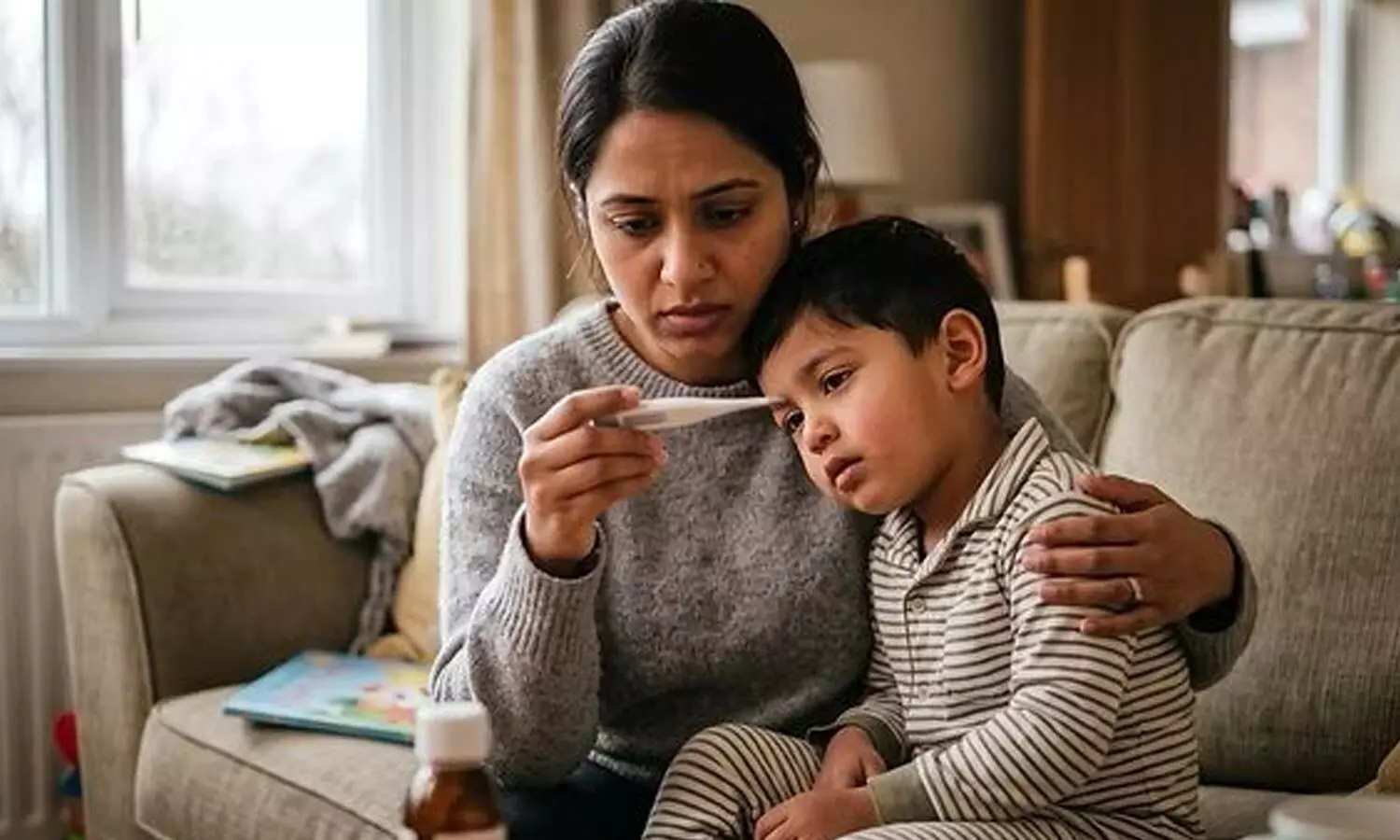
Pneumonia in children
Pneumonia is a condition where a lung infection leads to the inflammation of air sacs that might get filled up with pus or fluid, thus, leading to difficulty in breathing. Pneumonia can be caused due to various factors such as bacterial infections, viral or fungal infection. Although fever is one of the most recognized symptoms of pneumonia, it is important for parents to know that how serious the breathing difficulty is can be a better warning sign as compared to the rise in temperature. There could be children who have a low-grade fever or even none at all but require immediate attention.
One of the first warning signs that parents need to look out for is the rapid breathing in a child. If the child’s lungs get infected with any infection, the body might find it difficult to get enough oxygen that is why the rate of breathing would be higher in comparison to normal. Parents will see that their child will breathe much faster and their chest or abdomen area would move quickly with every breath. In the case of infants, their skin might draw into areas like in between or below their ribs.
Other indicators are nostrils flaring, grunting sound while breathing, feeding problems, being unusually sleepy and active. In younger kids especially babies, the ability to articulate the feeling of discomfort is not yet acquired. Rather, the baby becomes unusually fussy, refuse to feed, sleep more than usual, and less active. Sometimes, the problem in feeding becomes one of the first indications that the baby is ill. The parents must look out for any abnormality in the kid’s behavior rather than the appearance of fever alone. The appearance of color change in the child can be very worrying. A bluish or greyish discoloration in the lips, tongue, or skin could be indicative of insufficient oxygen. This should immediately be brought up to the attention of the doctor. On the other hand, stopping breathing, difficulty breathing, not drinking or breastfeeding, and reduced alertness must never be ignored.
Some children are more likely to suffer from severe pneumonia. They include newborns, especially those under six months old, premature babies, and children who have some health problems related to their heart or lungs, immune system weakness, or poor nutrition. Poor vaccination is also known to increase the chances of getting infections that might cause pneumonia. Vaccination against diseases such as pneumococcal disease, Haemophilus influenzae type b (Hib), measles and pertussis helps prevent infections that might result in pneumonia. Parents should take their child for examination in case the baby suffers from persistent cough, fast breathing, inability to eat, and excessive lethargy. The treatment will depend on the cause and severity of the infection. Bacterial pneumonia requires treatment with antibiotics while viral pneumonia only needs supportive care. Children with difficult breathing and reduced oxygen levels will be admitted to the hospital to receive oxygen treatment. It is important not to give any antibiotics without consulting a doctor since they cannot cure viral pneumonia. Proper vaccinations, exclusive breastfeeding up to the age of six months, good nutrition, proper hygiene, ventilation, and avoidance of secondhand smoking are some preventive strategies. The critical take-away message to all parents is that fever is not an indicator of the severity of the pneumonia condition. The way the child breathes, how the child feeds, his or her activity, and responses are the major indicators of the state of the child.
(The writer is a lead Sr. Consultant - Neonatology & Paediatrics, Bangalore)
CII Summit 2026 Vizag live updates: All set for investments in AP
Bharat Summit set for takeoff in Hyderabad today
Will it be a physical or academic exercise?
Used to arrange chairs for media, says Modi
Special Parliament session to pass women's quota bill planned
PM Modi links farm growth to poverty reduction at Bharat agriculture conference


