




- Post-Navaratri detox for women: How to recover after fasting without harming your health
- Are Indian pros ‘indentured servants’ of the US ?
- Gujarat CM calls for social harmony and unity in 'Vijayadashami' message
- YSRCP demands fresh nomination process in 22 urban local bodies
- Rakhigarhi a legacy of craftsmanship, advanced civilisation: Haryana CM
- Centre launches portal to give farmers access to agri schemes on mobile phones
- RBI's 'Samvad 2026' kicks off, focuses on monetary policy, AI and financial stability
- ECI accepting SIR irregularities is PDA alliance’s greatest achievement: Akhilesh Yadav
Post-Navaratri detox for women: How to recover after fasting without harming your health
In Short
While fasting can be part of religious practice, changes in eating habits may sometimes lead to tiredness, dehydration, acidity, constipation or low energy.

Share :
Post-Navaratri detox for women: How to recover after fasting without harming your health
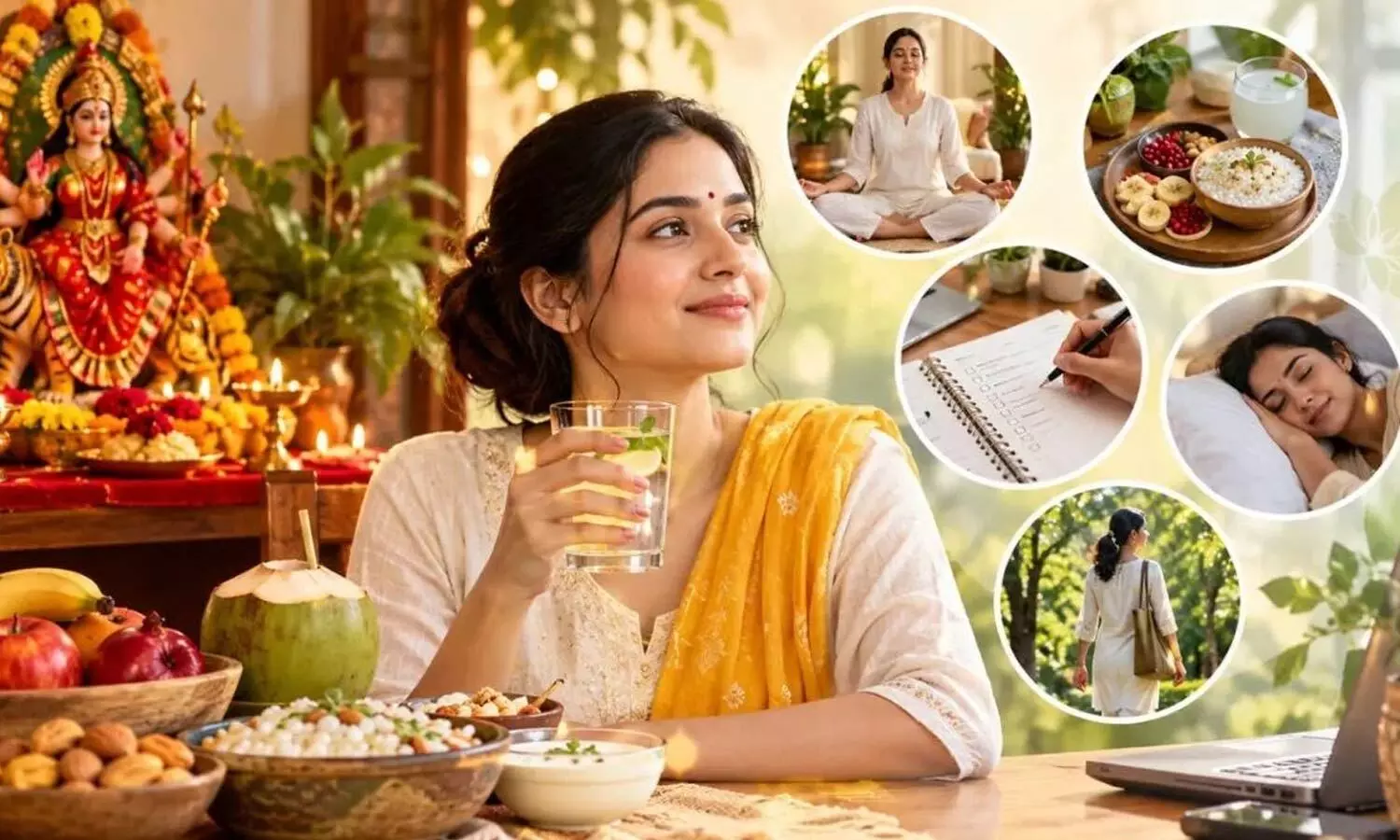
Navaratri is a time of devotion, celebration and fasting for many women. During these nine days, some women follow a restricted diet, skip meals or eat only certain foods. While fasting can be part of religious practice, changes in eating habits may sometimes lead to tiredness, dehydration, acidity, constipation or low energy. After Navaratri, it is important to help the body return to its regular routine gradually. Instead of following strict detox diets or skipping meals to compensate for festive eating, women should focus on balanced nutrition, adequate hydration and sufficient rest.
Does the Body Need a Detox After Navaratri?
The body has its own natural detoxification systems. The liver and kidneys help process and remove waste products. There is no need for special detox drinks, juice cleanses or extreme diets after fasting. However, if fasting has involved inadequate food or fluid intake, the body may need time to recover. Eating nutritious meals and drinking enough water can help restore energy and support normal bodily functions.
Start With Light, Balanced Meals
After several days of restricted eating, avoid suddenly consuming large, heavy meals. Instead, return to regular eating gradually and pay attention to hunger and fullness. Begin with easily digestible foods such as vegetable khichdi, idli, vegetable upma, curd rice or dal with rice. Include vegetables, fruits, whole grains and protein-rich foods in your daily diet. Women can include dal, beans, chickpeas, paneer, curd, milk, nuts and seeds to meet their nutritional needs. Avoid overeating fried snacks, sweets and rich foods immediately after fasting. There is no need to completely eliminate carbohydrates or fats. A balanced diet provides the energy required for daily activities.
Stay Hydrated Throughout the Day
Inadequate fluid intake during fasting can contribute to headaches, tiredness, constipation and dizziness. After Navaratri, drink water regularly throughout the day rather than consuming large amounts at once. Buttermilk, coconut water and soups can also contribute to fluid intake. Whole fruits are preferable to fruit juices because they provide fibre. Women should limit sugary drinks and avoid using detox teas or laxatives for weight loss. Those with kidney or heart conditions who have been advised to restrict fluids should follow their doctor’s recommendations.
Pay Attention to Iron and Protein Intake
Women who have heavy menstrual periods or already have low iron levels may be more vulnerable to fatigue. Include iron-rich foods such as lentils, beans, green leafy vegetables and fortified cereals. Eating vitamin C-rich foods, such as amla, guava or oranges, alongside plant-based iron sources can improve iron absorption. Protein is equally important for maintaining muscle strength and supporting recovery. Include a protein source in each main meal instead of relying mainly on fruits, juices or carbohydrate-rich snacks. Persistent tiredness should not automatically be attributed to fasting. A doctor may recommend tests if symptoms continue.
Return to Exercise and Sleep Gradually
After fasting, resume physical activity according to your energy levels. Walking and gentle stretching are good starting points. Avoid intense workouts if you feel weak, dizzy or dehydrated. Aim for seven to nine hours of sleep each night. Regular sleep and meal timings can help restore your routine and energy levels.
When Should Women Seek Medical Advice?
Seek medical attention if you experience persistent dizziness, unusual weakness, repeated vomiting, fainting or signs of significant dehydration. Confusion, severe weakness or fainting requires urgent medical assessment. Women who are pregnant, breastfeeding, living with diabetes or managing other chronic conditions should take extra care with fasting and recovery. Recovery after Navaratri does not require a special detox. A gradual return to balanced meals, adequate fluids, regular sleep and moderate physical activity can help women feel better without putting their health at risk.
(The writer is a Sr. Consultant - Internal Medicine, Aster CMI Hospital, Bangalore)
Dipika Kakkar reveals Shoaib Ibrahim motivated her as she was nervous before their music video
The power of precious metals: Wearing gold, silver and copper on Dasara
Post-Navaratri detox for women: How to recover after fasting without harming your health
All-India prison administration service need of the hour
Kota Police’s Dramatic 15-Minute Operation Leads to Arrest of Shroff Shooting Suspects
BJP Chief Slams Rahul for Repeated ‘Vote Chori’ Claims; Rahul Dares Govt to Act Against Him
Telangana asks govt offices to use electricity economically
President Murmu extends greetings on the eve of Vijayadashami
No one from Bihar will be forced to migrate for manual labour by 2030: Samrat Choudhary
SP neglects Dalits, backwards: UP ministers on Akhilesh Yadav's manifesto release announcement on Constitution Day


