
When children don’t talk much

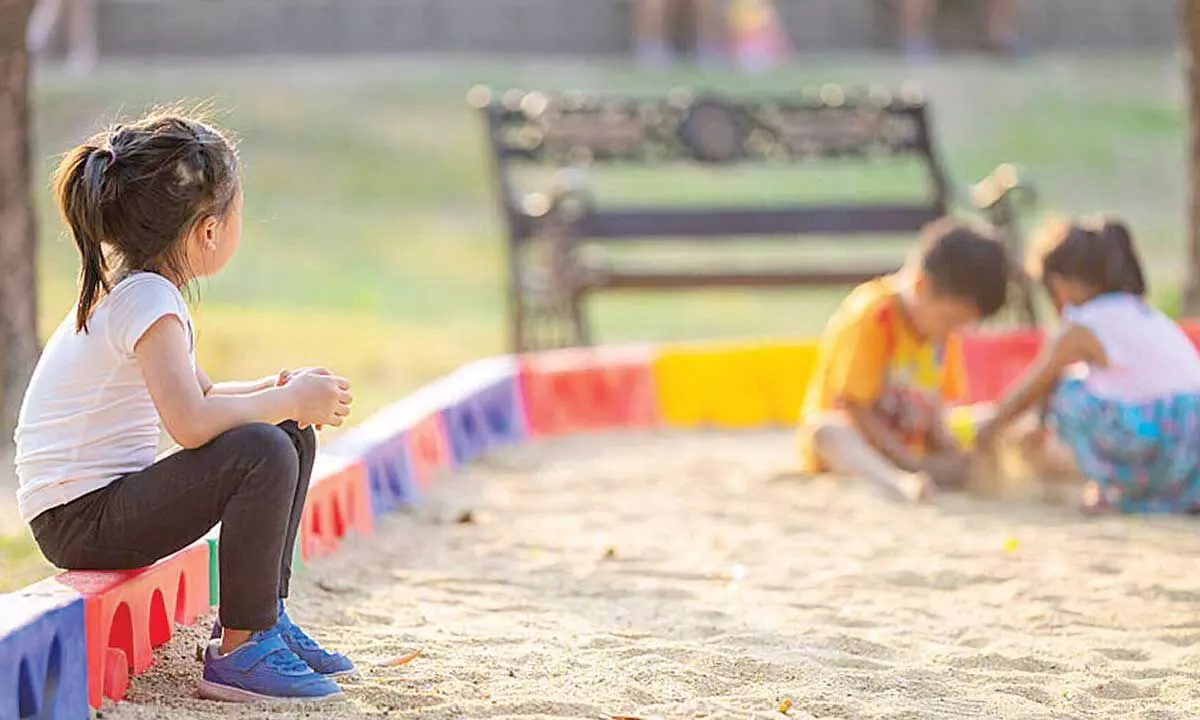
Some children do not naturally express themselves much through speech. They prefer to observe classrooms, playgrounds, and family gatherings before interacting. In social situations, they may speak less and take more time to build relationships. In a world that rewards quick answers and confident speech, quiet children are often misunderstood—labelled as shy, unfriendly, withdrawn, or even assumed to have developmental delays. However, speaking less within normal limits reflects temperament and personality, not a problem.
The Strength of Observation
Temperament strongly shapes social interaction. Some children are naturally introverted or slow to warm up and prefer smaller groups or one-on-one settings because noisy environments overwhelm them. Observation is their way of actively learning. Quiet children often notice details others miss and take time to think before speaking, showing thoughtful processing rather than inability.
Language Development Varies
Language development varies widely. While milestones exist, expressive language develops at different rates. Some children have strong receptive language—they understand more than they can say. They respond through gestures and actions that show clear comprehension. It is important to distinguish between a true language delay and a child who simply chooses words carefully. A delay affects understanding and communication across situations, while a quiet child may speak comfortably in secure environments.
Social Confidence Takes Time
Social confidence develops gradually. Children who need more time to feel safe may talk less in large groups, around unfamiliar adults, or during performance activities. Labelling a child as “shy,” especially publicly, can reinforce that identity and reduce social participation. Cultural background also influences communication. In some families, children are encouraged to listen respectfully rather than speak freely. Silence may reflect respect, not difficulty.
When to Seek Evaluation
Professional evaluation is important if a child struggles with language comprehension, consistently avoids eye contact, cannot engage with familiar caregivers, shows distress in most social situations, has major speech delays, or loses previously acquired language skills. Assessment helps determine whether quietness is a personality trait or a developmental concern.
Creating Safe Spaces for Expression
Adults can supportquiet children by creating psychologically safe spaces. Avoid pressuring them to “speak up” or comparing them with talkative peers. Offer gentle, open-ended questions in low-stress settings, especially one-on-one. Recognise strengths such as listening skills, empathy, creativity, and attention to detail. Encourage alternative forms of expression like drawing, storytelling through play, journaling, music, and role-play. Quiet children think and experience the world differently. With patience, understanding, and unconditional acceptance, they will develop confidence and find their own authentic voice at their own pace.
(The writer is a Consultant - Paediatrics & Neonatology, Aster RV Hospital, Bangalore)


