




- Bhadrakali Devi Sharannavaratri Festivities Begin with Grandeur in Warangal
- Mahashakti Temple Begins Sharannavaratri Celebrations with Grandeur
- Nadda to lay stone of ICMR's high altitude health research centre in Himachal's Keylong
- Show proof for your claims before spreading anarchy: Ram Kadam on ongoing protests in Delhi
- J&K statehood may be restored soon, says Ramdas Athawale
- ‘Embarrassment To India’: Abhijeet Dipke Slams PM Modi After Release From Detention
- 12 Killed, 309 Injured In Houthi Attack On Riyadh Airport; Trump Weighs US Response
- PM Modi's Chennai visit: Traffic diversion for commercial, heavy vehicles today
Rethinking Student Success Beyond Marks and Examination Results
In Short
Academic performance has long been an important measure of student achievement. Marks, examination results, ranks and admissions to reputed institutions help assess learning and academic progress.

Share :
Dr. Rajendra Indraman Singh, Educationist and Managing Trustee of Priyadarshani Group of Schools
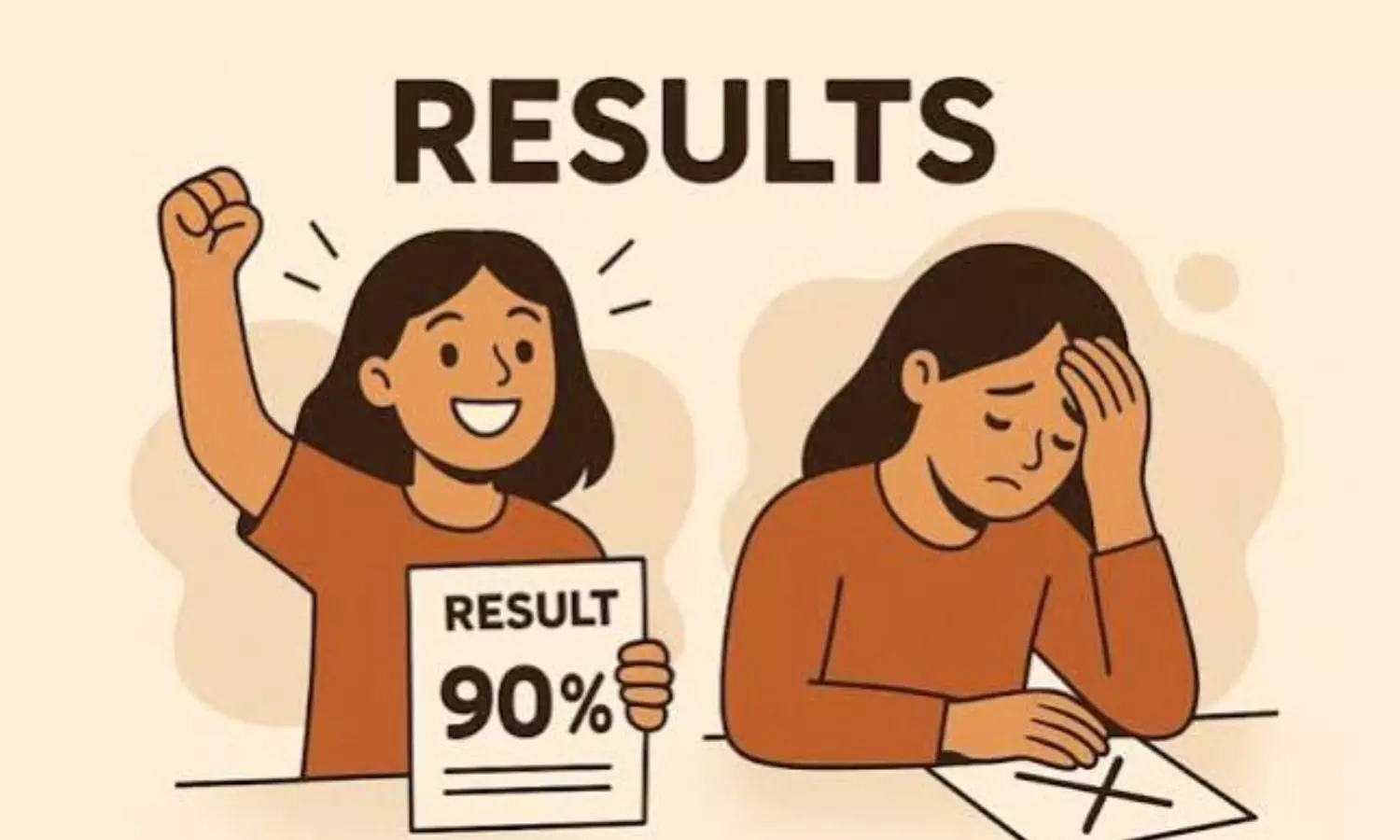
Academic performance has long been an important measure of student achievement. Marks, examination results, ranks and admissions to reputed institutions help assess learning and academic progress. However, student development involves several other qualities that may not always be reflected in examination scores.
Dr. Rajendra Indraman Singh, Educationist and Managing Trustee of Priyadarshani Group of Schools, shared why schools need to rethink what student success looks like. Academic excellence remains a central part of education. Strong foundational knowledge, regular study and critical thinking help students prepare for higher education and future opportunities. At the same time, schools can broaden their understanding of achievement by recognising curiosity, creativity, confidence, empathy and perseverance alongside academic results.
Students learn in different ways and demonstrate their abilities through different experiences. While some excel in examinations, others may show strengths in teamwork, problem-solving, leadership, sports, the arts or community activities. Recognising these differences can help schools provide more inclusive opportunities for students to develop their abilities.
Curiosity is one quality that supports learning beyond the classroom. Students who ask questions, explore new ideas and seek to understand how things work develop habits that can support lifelong learning. Encouraging classroom discussions, practical activities and independent projects can help children become more engaged in their education.
Learning how to respond to setbacks is also an important part of development. Mistakes and difficulties can provide opportunities to reflect, receive feedback and try different approaches. With appropriate guidance from teachers and families, students can develop perseverance and learn to approach challenges with greater confidence.
Teamwork and communication are equally relevant to a student's growth. Group assignments, classroom discussions, presentations and collaborative projects allow students to exchange ideas, listen to different perspectives and work towards shared goals. These experiences can help prepare them for higher education, professional environments and participation in their communities.
Schools can also encourage responsibility by involving students in activities, leadership opportunities and age-appropriate decisions. Taking responsibility for tasks and understanding the consequences of choices can help children develop independence and accountability.
Emotional and social development deserves attention as well. Students benefit from learning how to express themselves respectfully, seek support when needed, manage disappointment and understand the feelings of others. A supportive school environment can help children build confidence while developing positive relationships with peers and teachers.
These broader goals can be reflected in how schools recognise achievement. Academic awards and examination results will continue to have a place, while sporting accomplishments, creative work, community participation, leadership and consistent effort can also receive recognition. Such an approach allows schools to acknowledge a wider range of student contributions without reducing the importance of academic standards.
Assessment methods can support this broader view. Examinations remain useful for evaluating knowledge and understanding, while projects, presentations, practical assignments and collaborative activities can offer additional insights into how students apply what they learn.
Teachers play an important role in this process. Through daily classroom interactions, they can observe students' interests, learning approaches, progress and contributions to the school community. Their feedback can help students understand their strengths and identify areas for improvement.
Rethinking student success does not mean lowering expectations. It means recognising that education has several objectives: building knowledge, developing skills, encouraging responsible behaviour and preparing children to navigate changing circumstances.
JP Nadda targets Sukhu govt over governance, healthcare projects
3rd T20I: God has been kind, working hard on mental aspect to finish games, says Tilak Varma
3rd T20I: Nitish, Prince return for India as West Indies elect to bowl first, Sampson, Paul included
Gurdwara premises must not be used for protests: RS MP Vikramjit Sahney
JP Nadda targets Sukhu govt over governance, healthcare projects
‘India is moving forward with the dream of hosting 2036 Olympics’: PM Modi
Bihar CM inspects construction work of Patna Metro at Nehru Path; two foot-overbridges to be built
Errabelli Accuses Congress of Failing Farmers on Power, Irrigation
Vijay urges PM Modi to review Madurai, Coimbatore Metro projects, expedite funding
Telangana prioritises data privacy in AI push, says minister D Sridhar Babu


