




- Calcutta HC snubs CBI over protocol lapses in submitting progress report in case at Division Bench
- CM Revanth Reddy sets out Telangana’s $3T economic ambition at business summit
- OpenAI fires employee after hidden recording device found in office
- OneWeb should get India approval before Starlink, we applied 5 years earlier: Sunil Mittal
- Frankfurt-Delhi Air India Flight Diverted To Jaipur After Hijack Alert, Probe Underway
- Musk Congratulates Pichai on Gemini 4 Argon Launch
- Google opens Play Store to AI-built apps
- Two construction workers from Guntur found dead in well in Jagityal
Why Examination Readiness Requires Weeks of Preparation
In Short
Eduquity CEO Dibya Ranjan Mahapatra explains how planning, technology and coordination ensure smooth, secure and fair large-scale examinations.

Share :
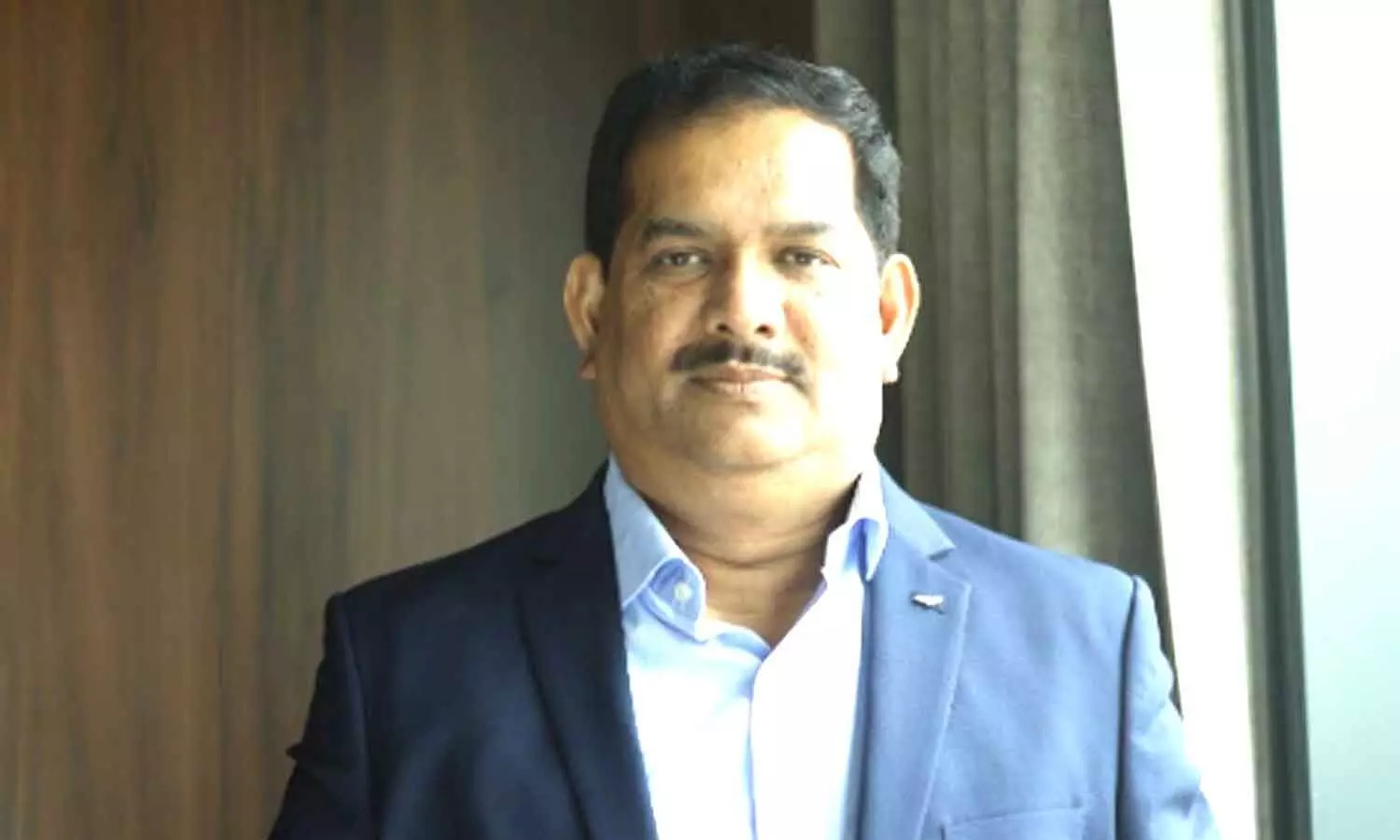
Why Examination Readiness Requires Weeks of Preparation
An examination may last three hours, but ensuring that it runs smoothly can require weeks or months of preparation. From selecting examination centres to testing computer systems and training staff, much of the work takes place before candidates arrive. The aim is to provide an orderly, secure and fair experience in which operational difficulties do not disrupt a candidate’s performance.
Dibya Ranjan Mahapatra, CEO of Eduquity Career Technologies Pvt. Ltd., highlights the importance of planning and coordination in large-scale examinations, where technology, infrastructure and people must work together.
Preparation begins with identifying and validating examination centres. Facilities must be assessed for seating, power backup, internet connectivity and computer readiness. Systems and networks require testing, while staff must be recruited, trained and assigned clear responsibilities. Candidate allocation, security arrangements, transport of materials, contingency plans and escalation procedures also need to be coordinated.
The scale of these operations can make even a minor issue significant. An examination conducted across several cities may involve thousands of computers, numerous centres and large teams working simultaneously. A faulty machine or an unstable network connection can affect an individual candidate’s experience, making timely detection and response essential.
Examination technology also extends beyond the software used to conduct a test. It involves servers, applications, networks, monitoring systems, technical support desks and field teams. These elements must function as a coordinated system capable of managing expected demand while responding to unexpected situations.
Technical failures, connectivity problems, local disruptions and requests for candidate assistance are among the possibilities that organisers must consider. The effectiveness of an examination system depends not only on preventing problems but also on how quickly and appropriately teams respond when difficulties arise.
This makes advance testing and contingency planning important parts of examination management. Backup arrangements, defined escalation procedures and stress tests can help identify weaknesses before the examination begins. Dry runs and centre inspections allow teams to check whether systems and procedures work as intended.
Preparedness also depends on the people involved. Centre staff need to understand examination protocols, while technical teams must know how to report problems and whom to contact. Clear responsibilities can help ensure that decisions are made calmly and promptly under pressure. Checklists provide structure, but staff must also be able to recognise and respond to situations that require additional attention.
The importance of these measures extends beyond operational efficiency. Candidates may spend months or years preparing for an examination, and some opportunities may be difficult to access again. Reliable arrangements help reduce the risk that preventable technical or logistical problems interfere with their performance.
After an examination concludes, reviewing incidents and identifying areas for improvement can help strengthen future operations. Lessons from one examination cycle can inform planning, staff training and infrastructure checks for the next.
For examination organisers, the work does not begin when candidates enter the hall. It begins well before test day, through careful planning, coordination and preparation. When these arrangements function as intended, candidates can focus on the examination itself rather than the systems supporting it.
-Dibya Ranjan Mahapatra
ISIG Summit: Global leaders, policymakers to discuss chip ecosystem and supply chains in India
AP SEC issues notices for local body elections, polling on 28th
India-ASEAN cooperation necessary for peace, stability in Indo-Pacific: Rajnath Singh
Calcutta HC snubs CBI over protocol lapses in submitting progress report in case at Division Bench
AP SEC issues notices for local body elections, polling on 28th
India-ASEAN cooperation necessary for peace, stability in Indo-Pacific: Rajnath Singh
Mary Millben’s Shocking Claim: CJP Gets Foreign Funding
Rahul Gandhi Alleges Police Brutality Against Youth Congress Workers, Says Kerala Student Lost Hearing In One Ear
DMK Explores Third Front, Fresh Trouble for INDIA Bloc
Did Police Err in Arresting CJP Leaders?


