




- Google opens Play Store to AI-built apps
- Two construction workers from Guntur found dead in well in Jagityal
- IIT Madras To Create World’s Largest 3D Human Brain Atlas Under PM Modi’s Initiative
- YS Avinash Reddy appears before ED in YS Viveka murder case
- 108 free ambulance staff strike threat exposes administrative failure: Karnataka BJP
- Zoho Founder Sridhar Vembu Warns AI Could Reshape Software Jobs
- Bittu Tabahi’s Eight-Month River Cleanup Undone As Garbage Returns To Ajnar River
- Wickham earns maiden call-up as WI leave out Joseph, Hope for Bangladesh Tests
Did Police Err in Arresting CJP Leaders?
In Short
CJP leaders Saurav Das and Ashutosh Ranka were sent to five-day judicial custody on Wednesday in connection with the Jantar Mantar trespassing case, while Ajinkya Shinde was released on personal bond.

Share :
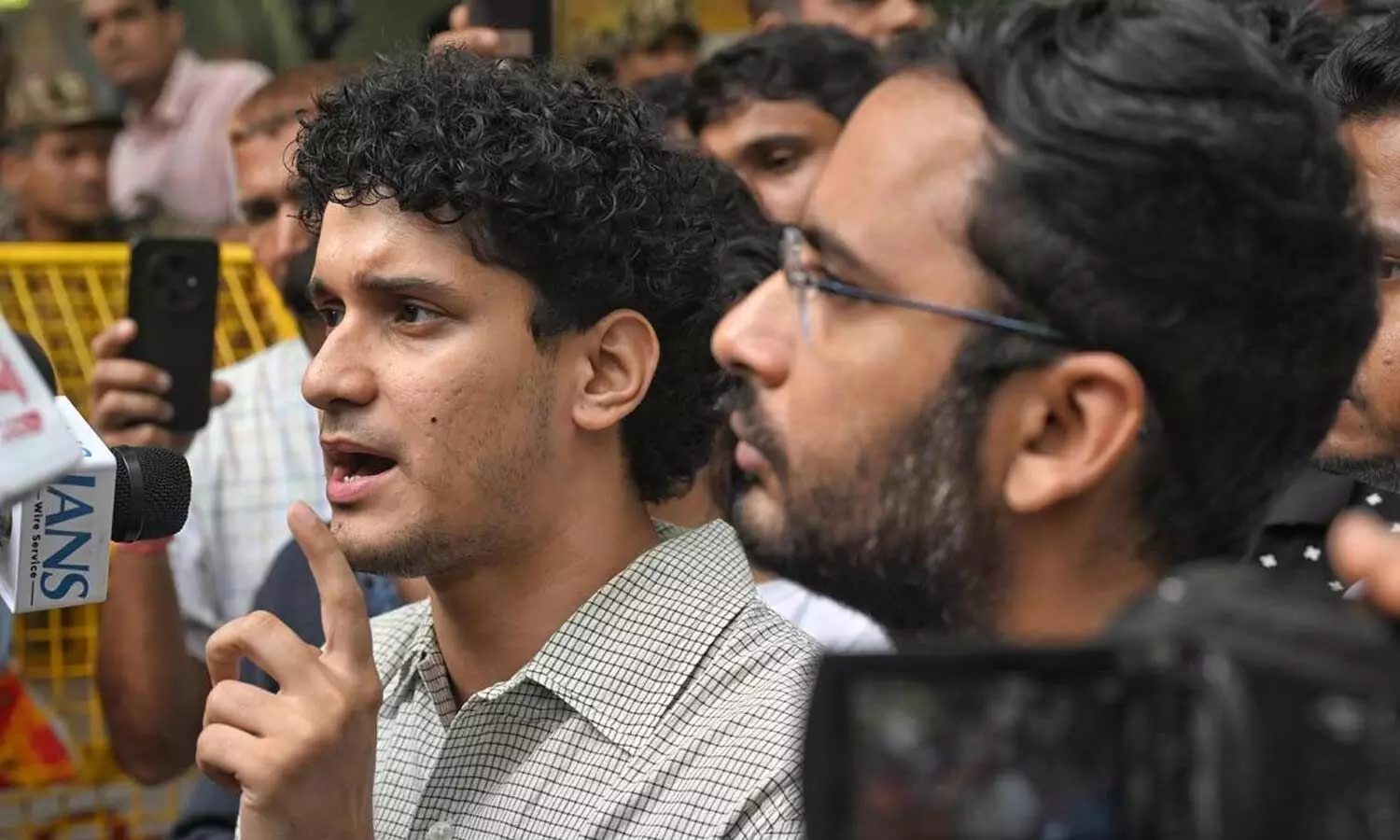
Did Police Err in Arresting CJP Leaders?
Did the government err in arresting the activists of Cockroach Janata Party? Did the police disregard the orders passed by the Supreme Court as claimed by their advocate Abhisht Hela,. Did the police act on presumptions? Is arresting them an “act of cowardice” as alleged by LoP Rahul Gandhi?
CJP leaders Saurav Das and Ashutosh Ranka were sent to five-day judicial custody on Wednesday in connection with the Jantar Mantar trespassing case, while Ajinkya Shinde was released on personal bond.
The Delhi Police allege that Saurav Das and Ashutosh Ranka violated the peace bonds they had given before an Executive Magistrate. The two were remanded to five days of judicial custody in connection with the alleged violation and their entry into Jantar Mantar without authorisation.
The government had on Monday denotified Jantar Mantar as the designated protest site. But a few CJP activists on Tuesday went to Jantar Mantar and tried to jump over the gates, waved the Tricolour, claiming that they had regained Jantar Mantar.
Following this, the three CJP members were put on preventive arrest for trespassing at Jantar Mantar, which has been de-notified as the designated protest site. They were booked for trespassing, bond violation, and obstruction of public officials' duty.
While the CJP founder Abhijeet Dipke said, “Show some guts, @narendramodi. If you’re so determined to crush dissent, have the courage to officially declare an Emergency instead of hiding behind these cowardly tactics,” the LoP Rahul Gandhi called it an act of cowardice. He said, "Jantar Mantar belongs to the people of India. We will reclaim it," he added.
The police say waving the Tricolour is not an offence, but violating the law is certainly an offence. They claim that Saurav Das and Ashutosh Ranka in a case related to the October 10 protest, were released after furnishing a bond of Rs 50,000 and on the condition that they will not be involved in any breach-of-peace cases for a year. But in breach of the bond, they participated in a protest at a place that was denotified and without any permission. Three new locations in Delhi -- Ramlila Ground, Burari Ground and East Delhi's CBD Ground -- have been designated for protests, the police said.
Advocate Abhisht Hela, representing CJP leaders, said the laws laid down by the Supreme Court have been "completely disregarded" in the order passed in the case.
Advocate Abhisht Hela mentioned that the officers who serve as SEMs are of Superintendent of Police rank and not judicial magistrates.
“One very important point is that the order passed today was issued without the application of judicial mind. The laws laid down by the Supreme Court have been completely disregarded," he said.
He further alleged that the authorities have started acting on presumptions. This is deeply distressing and a black day for the country," Advocate Hela added.
CJP Leaders Saurav Das, Ashutosh Ranka Sent To Tihar Jail For Five Days Over Jantar Mantar Protest
Did Police Err in Arresting CJP Leaders?
EC orders special camps on Oct 15, 16
Why Do We Need A Question Paper at all? Nilekani suggests AI-generated question papers
Big shock to tipplers: TG govt hikes prices of foreign liquor brands
CM Revanth asks Congress leaders to focus on MLC polls


