




Preparing students for careers in aviation sector
In Short
From pilot training and aircraft maintenance to airport operations and aviation management, students can explore a range of career pathways as India’s aviation sector expands

Share :
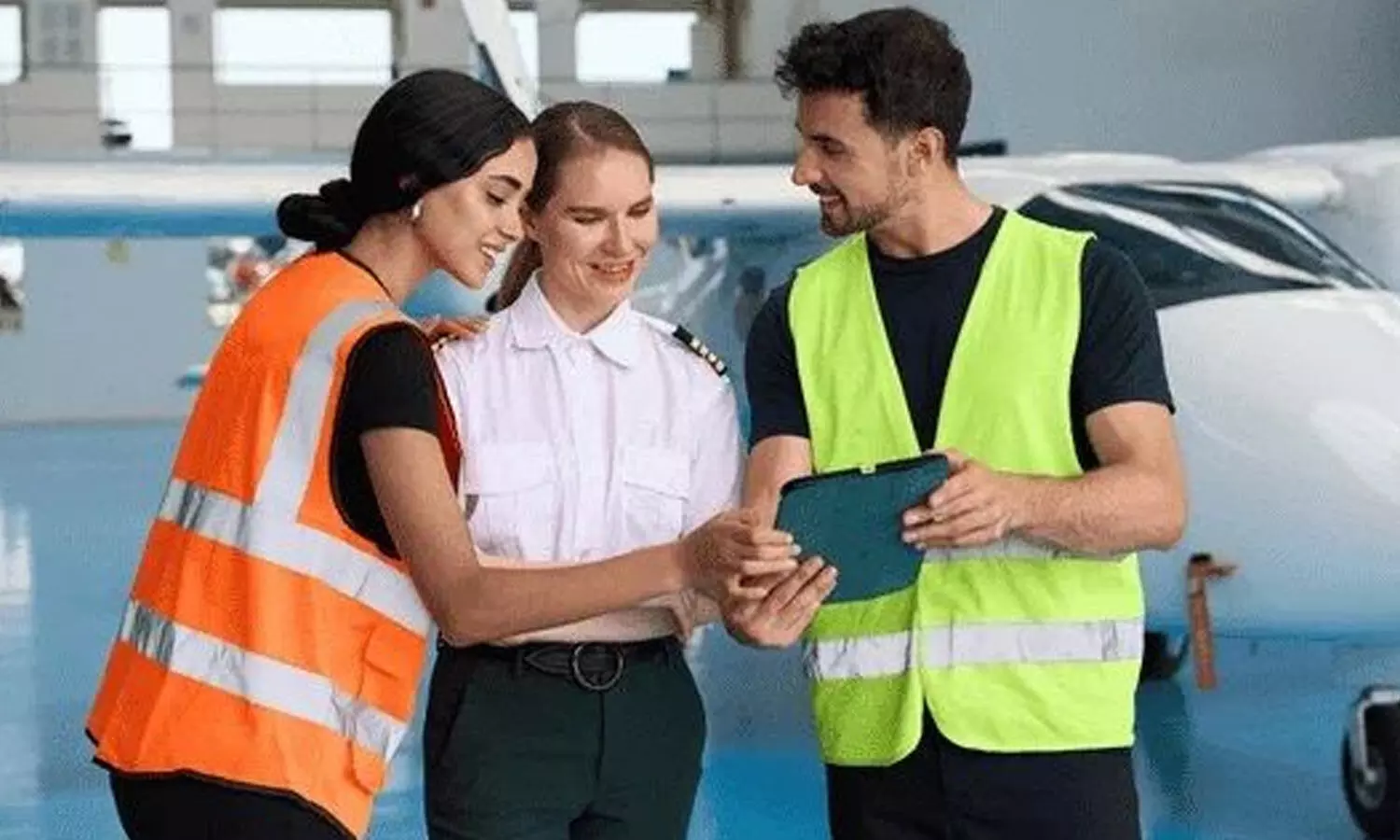
Preparing students for careers in aviation sector
India’s aviation sector is creating opportunities for students interested in science, technology, engineering, travel and operations. As airlines expand their fleets and airports develop their infrastructure, the industry will need professionals with a range of technical, operational and management skills. For students, understanding these career options early can help them make informed decisions about education and training.
Aviation is often associated primarily with pilots, but the industry depends on many other professionals. Aircraft maintenance engineers, air traffic controllers, cabin crew, airport operations staff, cargo specialists and aviation safety personnel all contribute to the functioning of the aviation network. Each role has different eligibility requirements, training pathways and responsibilities. Exploring aviation careers early
Career awareness is an important starting point. Students can use school years to build a foundation in mathematics, physics, communication and problem-solving, depending on their interests and intended career path. Career counselling sessions, STEM activities, airport visits and interactions with aviation professionals can provide a clearer picture of the work involved in different roles.
Understanding the requirements of each career is equally important. Becoming a commercial pilot, for example, involves meeting medical and educational eligibility criteria, completing approved flight training and obtaining the necessary licences. Students considering aircraft maintenance or air traffic services must research the relevant qualifications, examinations and regulatory requirements before enrolling in a course.Choosing the right training pathway Aviation education combines classroom learning with practical training. Depending on the profession, this may involve flight simulators, aircraft workshops, technical laboratories, operational exercises or supervised workplace experience.
Students should assess training institutions carefully before committing to a programme. Checking regulatory approvals, faculty qualifications, training facilities, course structure, completion timelines and placement information can help them evaluate their options. It is also useful to understand the total cost of training, including examination fees, equipment, accommodation and other expenses that may not be included in advertised course fees.
Training duration can vary according to the course, licensing requirements and individual progress. Students should therefore seek current information from the relevant regulator and institution rather than relying on general estimates or employment promises.
Developing skills beyond the classroom
Technical knowledge is only one part of working in aviation. Communication, teamwork, attention to detail, decision-making and the ability to follow procedures are important across many aviation roles. Safety-sensitive professions also require discipline, sound judgement and a commitment to continuous learning.
Students can begin developing these skills through group projects, presentations, practical assignments and internships where available. Learning to work collaboratively and communicate clearly can be useful whether a student eventually chooses a technical position, a customer-facing role or an operations-related career.
Understanding the wider range of opportunities
Students who are not interested in flying can explore aircraft maintenance, airport management, aviation logistics, cargo operations, airline customer service, safety management and related fields. The educational requirements differ across these professions, so comparing course content with the actual responsibilities of a role is essential.
Industry partnerships, apprenticeships and structured internships can also help students understand workplace expectations. Where available, scholarships and education loans may support access to training, although students should carefully assess repayment obligations and the overall financial commitment.
Planning for a long-term career
India’s aviation sector offers students several possible career directions, but opportunities will vary by role, location, qualifications and industry conditions. Choosing a pathway should involve more than considering projected demand.
Students need to evaluate their interests, aptitude, financial circumstances and willingness to complete the required training.
With early career guidance, careful course selection and a focus on practical skills, students can prepare for a range of aviation-related professions. Understanding the requirements before making a commitment can help them approach their career choices with greater clarity and realistic expectations.
(The author is Director, Chimes Private Limited | Vice President, Chimes Aviation Academy (CAA))


