






- Telangana Government launches logo and tagline contest for Godavari Pushkaralu
- Graduate voter enrolment crosses 12.69 lakh in Telangana
- Supreme Court dismisses Telangana rice millers’ pleas
- GHMC warns traders of 100% penalty for no trade licence
- HYDRAA launches restoration works of Amber Cheruvu
- Harish Rao rattled by Revanth’s Siddipet meeting, say Congress leaders
- Revanth a one-time wonder, BRS will return to power: KTR
- Telangana Government issues six-phase SOP for land resurvey
The home-school connection: Building the foundation for holistic development
In Short
Discover how collaboration between parents and teachers supports academic growth, emotional wellbeing, and resilience—moving beyond report cards through trust, shared goals, and everyday communication.

Share :
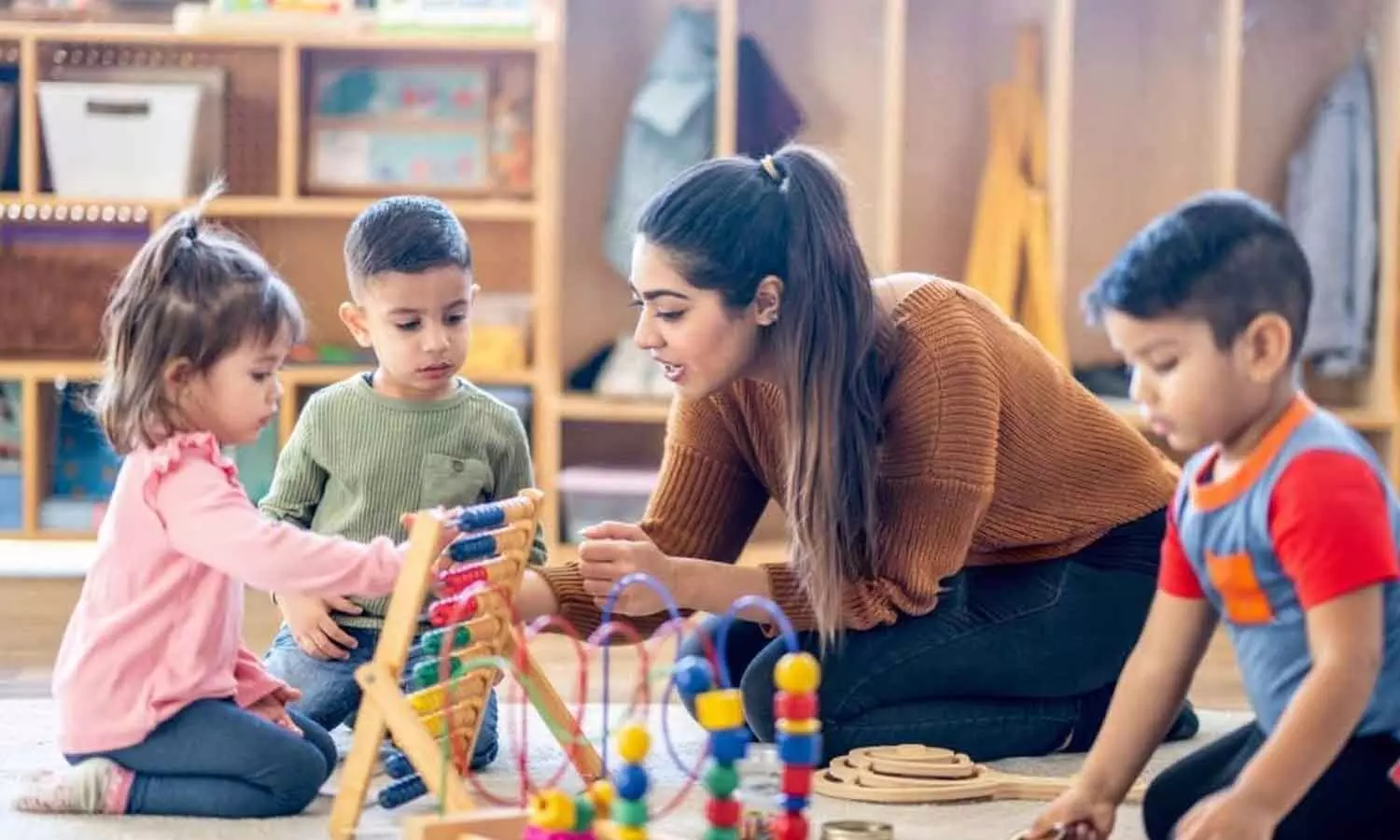
The home-school connection: Building the foundation for holistic development
A child’s development is shaped by the relationships, experiences and influences they encounter at home and at school. While parents provide the foundation for emotional security, values and everyday learning, teachers nurture academic abilities, social skills and confidence. When these two important support systems work together, they create an environment in which children can learn, grow and reach their potential.
The relationship between home and school is more than a routine exchange of information. It is an essential partnership that influences how children experience learning and respond to challenges. Classroom lessons often extend into the home through conversations, daily routines and practical experiences. Similarly, a child’s emotional wellbeing, habits and circumstances at home can influence classroom participation, behaviour and academic engagement.
Research supports the value of this collaboration. A meta-analysis by the US Institute of Education Sciences found that family-school partnership interventions can positively influence students’ academic achievement, behaviour and social-emotional development. These findings highlight how cooperation between the adults involved in a child’s life can contribute to outcomes that extend beyond academic performance.
Yet parent-teacher relationships are often limited to report cards, examination results and occasional meetings to discuss concerns. While academic progress is an important part of these interactions, a meaningful partnership must look at the child as a whole. It should be built on shared goals, regular communication and a collective understanding of what each child needs to flourish.
Bringing different perspectives together
Parents and teachers offer different but complementary insights into a child’s development. Parents understand their children beyond the classroom. They are familiar with their personalities, interests, motivations, family experiences and emotional responses. Teachers, on the other hand, observe children in structured learning environments, among peers and across different academic and social situations.
When these perspectives come together, they offer a more complete picture of a child’s strengths, challenges and potential. This becomes particularly important when children are unable to express what they are experiencing. Changes in behaviour, emotional regulation, friendships or classroom participation may indicate concerns that are not immediately obvious.
Regular, respectful communication can help parents and teachers recognise such patterns, understand possible underlying causes and provide timely support. Rather than waiting for a concern to affect a child’s learning or relationships, both sides can work together to address it constructively.
Moving beyond marks and report cards
A successful parent-teacher partnership is not about assigning responsibility or accountability to either side. It begins with a shared question: What does this child need to succeed?
This approach encourages conversations that go beyond grades and assessments. Confidence, resilience, curiosity, independence, communication, friendships and emotional wellbeing are equally important aspects of development. Academic achievement matters, but it is only one measure of a child’s progress.
Parents and teachers can make these discussions more meaningful by sharing observations about a child’s interests, participation, behaviour and everyday experiences. Teachers can communicate positive developments alongside areas that need attention, while parents can provide context about changes or challenges at home that may affect a child’s learning.
Building consistency through trust
Children benefit when the influential adults in their lives reinforce similar values and expectations. Encouraging kindness, responsibility, respect, perseverance and independence at home and school helps children develop a clearer understanding of these behaviours.
This does not mean parents and teachers must agree on every approach. Differences in perspective are natural. What matters is the ability to discuss them respectfully and keep the child’s best interests at the centre of every decision.
Mutual respect is essential. Teachers bring professional expertise in facilitating learning, supporting social development, identifying individual needs and creating inclusive classrooms. Parents contribute an understanding of their child’s experiences, personality and aspirations. Effective collaboration recognises the value of both.
Small steps towards a stronger partnership
Strong relationships do not always require elaborate programmes or frequent formal meetings. They can begin with simple, consistent actions: regular communication, shared expectations, constructive feedback and a willingness to listen.
Every interaction should be guided by curiosity rather than judgement. Instead of asking who is responsible for a difficulty, parents and teachers can explore questions such as, “What might be contributing to this behaviour?” and “How can we support this child together?” Such conversations encourage practical solutions and create an atmosphere of trust.


