Bathing in Steaming Hot Water? Your Skin and Hair May Be at Risk This Winter

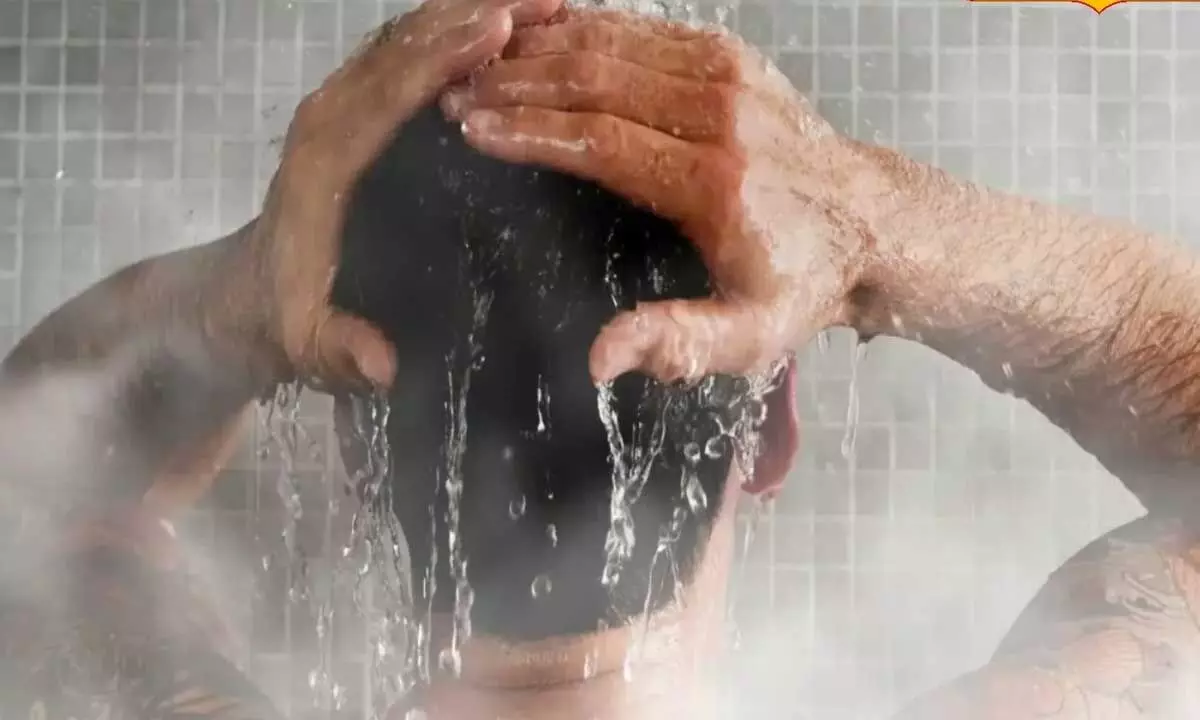
Steaming hot baths feel relaxing in winter, but they can silently damage your skin and hair by stripping essential moisture.
As winter sets in and temperatures drop, many people naturally turn to steaming hot showers for warmth and comfort. While those few minutes under scorching water may feel soothing, this everyday habit can gradually harm the health of both your skin and hair. Experts in skin and hair care caution that extremely hot water can disrupt the body’s natural moisture balance, leaving long-lasting effects that often go unnoticed until the damage becomes visible.
Hot water tends to wash away the skin’s natural oils—the very layer that keeps it soft, hydrated and protected. When this protective barrier weakens, the skin becomes more vulnerable to dryness, itching and redness. People who already deal with issues such as winter dryness often notice these problems worsening during the colder months. In severe cases, the skin may develop rough patches and a persistent feeling of tightness, making winter grooming even more challenging.
Hair experiences similar stress when exposed to very hot water. The scalp contains natural oils that nourish the roots and maintain shine. Excessively hot water breaks down these oils quickly, leading to dullness, increased roughness and brittle strands. A dry scalp may also give rise to dandruff, itching and discomfort. Over time, repeated exposure to hot water can disturb the natural hair cycle, affecting overall hair health.
To avoid these issues, switching to lukewarm water is a simple and effective step. Water that is warm—yet not hot enough to produce steam—helps cleanse the body without disrupting moisture levels. This temperature works especially well for children and older adults, whose skin can be more delicate and sensitive during winter.
Post-bath care becomes equally important. Applying a moisturiser immediately after bathing, while the skin is still slightly damp, helps lock in hydration more effectively. Cream-based moisturisers and nourishing body oils offer stronger protection against harsh winter dryness. When it comes to hair, massaging the scalp with natural oils like coconut or almond oil once or twice a week can help maintain softness and shine. Using a conditioner after every wash also strengthens the hair shaft and reduces dryness.
Internal hydration plays a major role in maintaining healthy skin during winter. Many people reduce their water intake when the weather cools, which can cause the skin to feel dehydrated from within. Drinking enough water, along with hydrating options like coconut water or herbal beverages, can help replenish moisture levels. Including foods rich in healthy fats—such as almonds, flax seeds, ghee and omega-3 sources—supports the skin’s natural ability to stay nourished throughout the season.
As comforting as a steaming bath may feel on a cold day, turning down the temperature can make a noticeable difference. With a few mindful changes in bathing habits, hydration and daily care, winter skin and hair can remain healthy, glowing and protected.