The future of ergonomic design for modern lifestyles

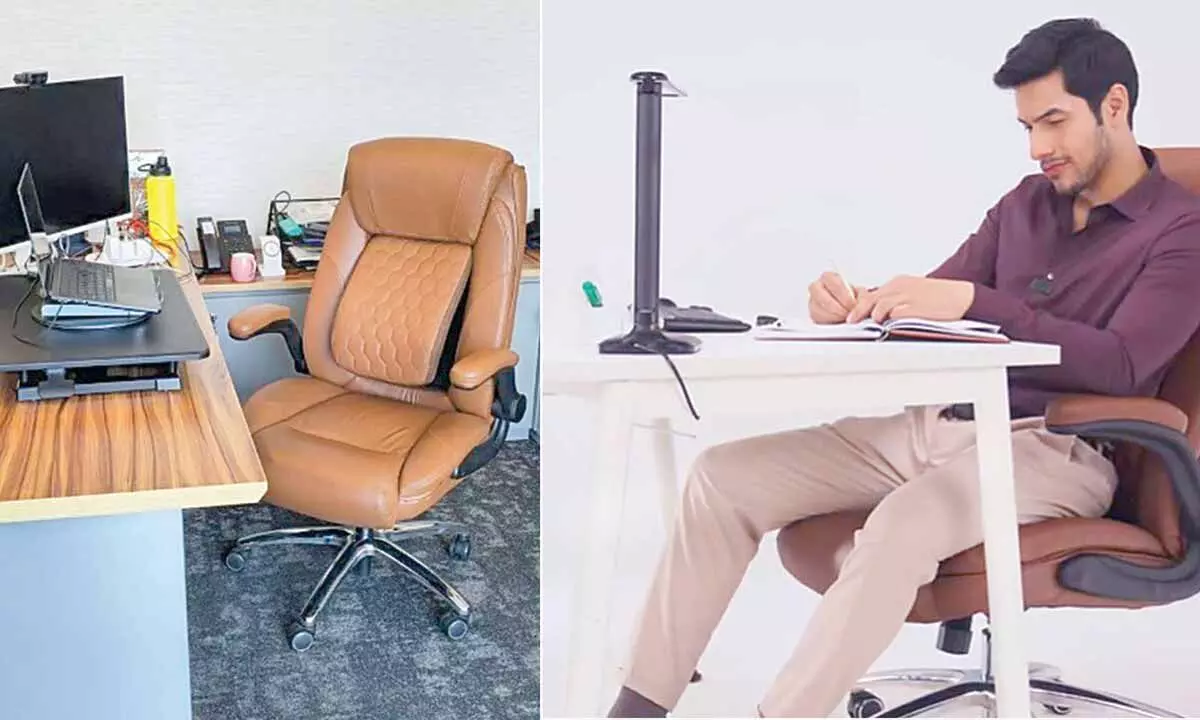
Ergonomics is changing the way we live, work, and move.It’s no longer just about chairs or desks—it’s about overall comfort, health, and well-being.As our lives become more digital and flexible, smart ergonomic design matters more than ever
In the intricate landscape of human progress, design has emerged as a transformative force, with ergonomics standing at the forefront of a profound reimagining of how we interact with our environments. As our lifestyles evolve dramatically — shaped by remote work, technological integration, and blurring boundaries between personal and professional spaces — ergonomics has transcended its traditional role of physical comfort optimisation to become a comprehensive philosophy of human-centred innovation.
This emerging approach goes beyond mere furniture design, representing a sophisticated framework that intuitively supports cognitive, emotional, and physiological well-being. Thought leaders like Ganesh Sonawane, Co-founder and CEO at Frido, are pioneering this evolution by integrating science-backed ergonomic solutions into everyday products, ultimately reshaping our understanding of productivity, comfort, and holistic human experience in an increasingly complex world.
Today, ergonomics has evolved beyond its traditional confines of workplace furniture design and physical comfort optimisation, expanding into a comprehensive framework that embraces holistic lifestyle design across all dimensions of human experience.
This shift is driven by modern lifestyles characterised by remote work, digital reliance, and hybrid living spaces. As technology continues to shape our daily routines, the importance of human-centric design has grown significantly. In India, where workplace experience is highly valued, ergonomics plays a pivotal role in enhancing both the effectiveness of workspaces and the emotional experience of employees.
The COVID-19 pandemic was a major catalyst in the evolution of traditional workplace settings. With companies forced to implement remote work, homes became workplaces, blurring the lines between personal and professional settings. Even after the pandemic was brought under control, remote work became a commonality for several companies.
This change necessitates ergonomic solutions that can seamlessly transition between work, relaxation, and fitness within a single environment. For instance, furniture that can adapt to both work and leisure activities is becoming increasingly popular. Such multi-functional designs not only enhance productivity but also contribute to overall well-being by reducing the need for separate spaces for different activities.
The future of ergonomics involves moving beyond mere comfort to encompass long-term well-being, productivity, and sustainability. This is reflected in "Active Ergonomics," which emphasises environments that encourage movement and adaptability.
With India witnessing rising urbanisation and hybrid work models, integrating ergonomic principles into workspace design is crucial for promoting mental clarity and preventing burnout.
Technology is driving this evolution. In sectors like manufacturing and construction, modular workstations and smart wearables are improving worker safety and comfort. Tech-enabled chairs and adjustable desks equipped with posture monitoring are delivering intelligent feedback to users, creating adaptive environments that prioritise health.
Ultimately, the future of ergonomic design is fluid, personalised, and deeply integrated with technology. In India, where workplace experience is highly valued, ergonomic integration can foster well-being, enhance productivity, and support long-term business performance.