




- Democratic House would test Trump’s India agenda
- ‘Rahul Gandhi dragging SC into political controversy’: Telangana BJP chief
- Punjab AeroStrikers bounce back to beat Ayodhya Garjan, Tamil Titans qualify for VCL Super 6
- Anthropic Warns AI Could Self-Replicate on Smart Devices Soon
- Navratri Day 3: Temples across nation resonate with 'Jai Mata Di' as devotees offer prayers to Maa Chandraghanta
- Gold rate today in Delhi, Mumbai, and Kolkata slashes, check the Gold prices on 13 Oct 2026
- Fire breaks out at furniture warehouse
- Mythri movie makers announce ‘#MythriInLove’
Tamil Nadu looks to Rabi recovery as Kharif paddy acreage falls 28 pc
In Short
The loss of 4.98 lakh hectares represents a 28 per cent fall, underscoring the impact of water shortages on cultivation.

Share :
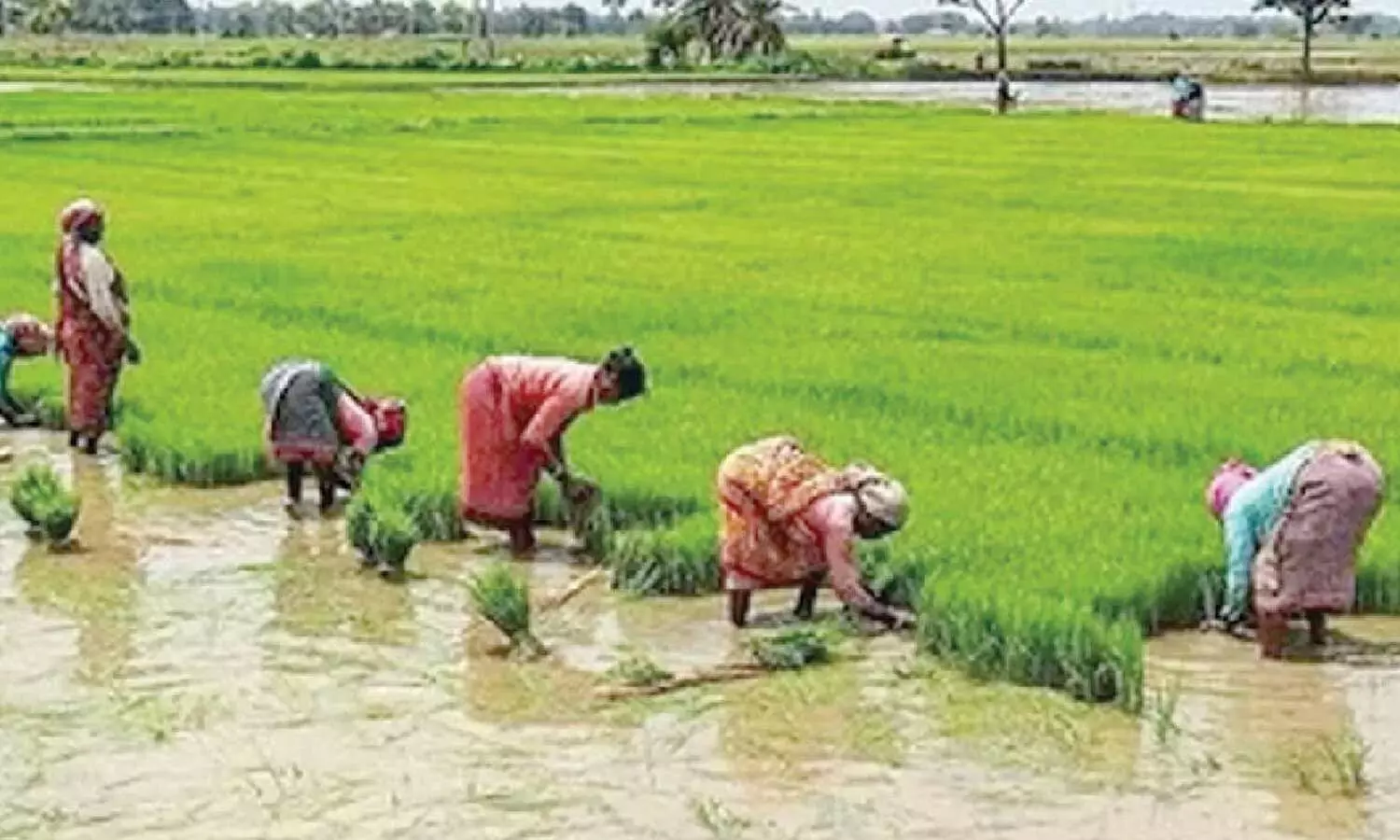
Tamil Nadu looks to Rabi recovery as Kharif paddy acreage falls 28 pc
Chennai: A sharp contraction in Kharif paddy cultivation has left Tamil Nadu relying on the rabi season to meet its annual foodgrain target. A delayed opening of Mettur Dam and lower Cauvery inflows have been identified as the principal reasons for the decline.
Paddy acreage during April-September stood at 12.52 lakh hectares, compared with 17.5 lakh hectares in 2025-26. The loss of 4.98 lakh hectares represents a 28 per cent fall, underscoring the impact of water shortages on cultivation.
The agriculture department is counting on increased sowing during October-March to bridge the shortfall. It has kept the state’s 2026-27 foodgrain production target at 125 lakh metric tonnes, with paddy expected to contribute 79 lakh metric tonnes.
Normal rainfall forecast for the Rabi season has reinforced expectations of a recovery. The cultivation target for the season remains 30.26 lakh hectares. In 2025-26, Tamil Nadu produced 122.43 lakh metric tonnes of foodgrains against a target of 130.23 lakh metric tonnes. Districts have received crop contingency plans, with farmers encouraged to adopt direct sowing instead of transplantation. The method requires less water and could also reduce the risk of crop damage during northeast monsoon rains.
Samba cultivation has begun gathering momentum, and the department considers the next 45 days crucial for the season’s progress. Officials maintain that the reduction in kharif acreage does not indicate an impending foodgrain shortage.
Kuruvai cultivation also suffered a substantial decline. Statewide acreage dropped from 5.05 lakh hectares last year to 3.91 lakh hectares, a loss of 1.14 lakh hectares. In the delta districts, the cultivated area fell from 2.55 lakh hectares to 1.85 lakh hectares.
The slowdown has affected agricultural supplies and cooperative lending. Fertilisers and seeds valued at Rs 300 crore have accumulated across the state’s 4,400 primary agricultural cooperative credit societies as demand weakened.
The cooperative marketing federation has widened access to fertilisers, allowing supplies to farmers outside cooperative society membership. The move seeks to stimulate cultivation and clear accumulated stocks. Subsidised fertilisers had previously been available only to society members who obtained crop loans.
Meanwhile, the cooperation department has put crop loan recovery on hold as cooperative banks report substantially lower disbursements. The lending slowdown reflects reduced cultivation, while the department continues to bank on the rabi season to restore agricultural activity and help meet the annual production target.
Srisailam Project earns international recognitionl, included in World Book is Records
CJP Leaders Saurav Das, Ashutosh Ranka Detained After Jumping Gate To Enter Jantar Mantar
'Misleading': UP CEO rejects report of 85,854 voters being deleted using Form-7
'Misusing democracy': Bengal Minister attacks Cong over INDIA bloc protest
Delhi Protest: Two FIRs Filed Over INDIA Bloc March; Supreme Court, High Court To Hear Pleas
Will develop Tirupati into world-class ‘Spiritual city’: CM Naidu


