






- PM Modi to visit Philippines today for ASEAN-India Summit
- PM determined to rid India of drug menace: Kishan Reddy
- TGBIE Secy allays fears over the merger of school and inter education
- Telangana eyes Japanese investments, jobs for youth
- Sandeep faces uphill task of uniting Telangana Congress
- Telangana eyes global aerospace, defence hub tag
- Two graduates constituencies log 12.69 lakh applications
- KTR launches current affairs material for government job aspirants
HMWSSB gearing up for 100 mgd summer shortfall
In Short
Plans to draw Godavari, Krishna waters additionally

Share :
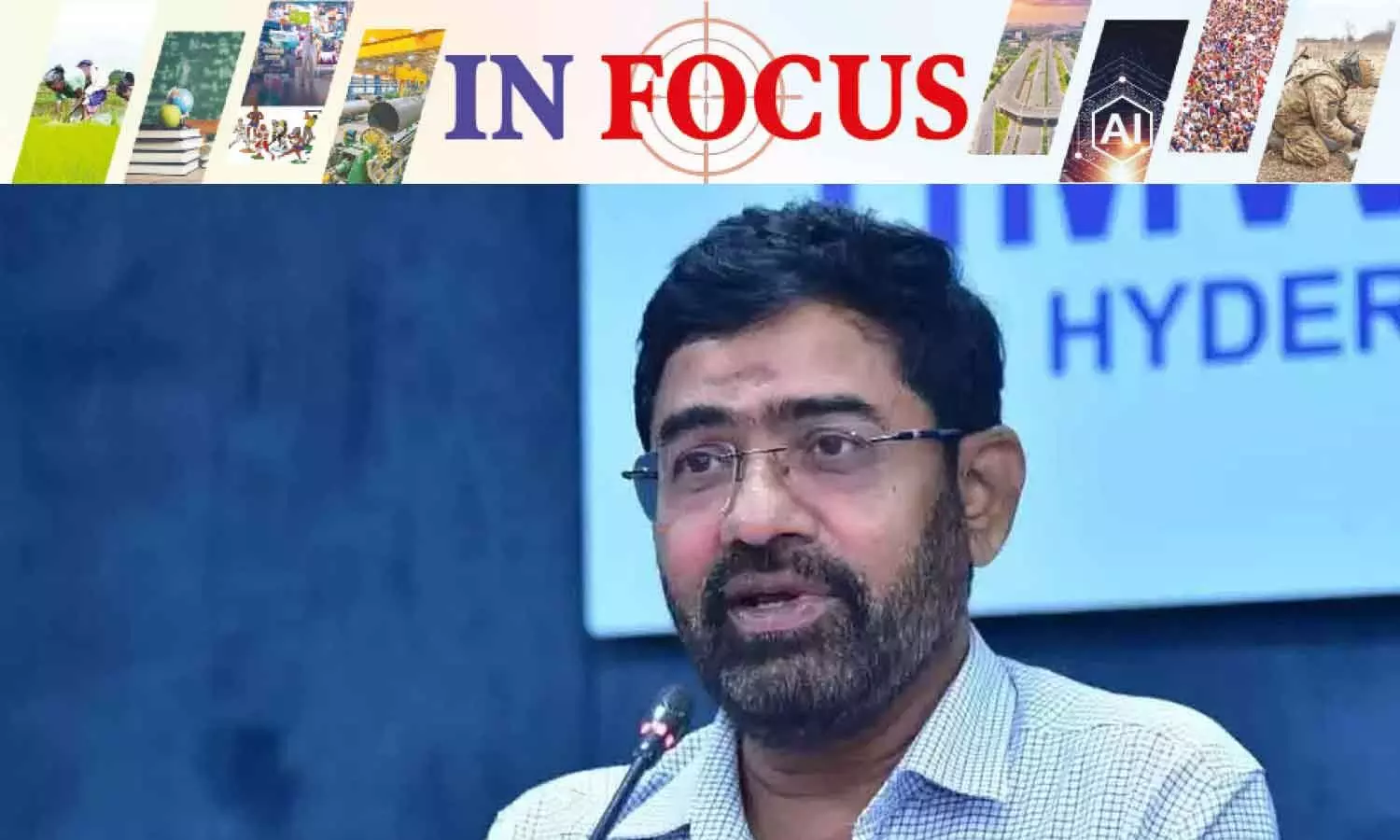
K Ashok Reddy, Managing Director of HMWSSB
Hyderabad: With Hyderabad facing the prospects of a drinking water shortage of nearly 100 million gallons per day (MGD) from the Singur and Manjeera reservoirs between January and August 2027, the Hyderabad Metropolitan Water Supply and Sewerage Board (HMWSSB) has drawn up an elaborate summer contingency plan by mobilising alternative water sources, strengthening pipeline connectivity, and promoting water conservation.
In an interview with The Hans India, K Ashok Reddy, Managing Director of HMWSSB, has said the board plans to bring an additional 40 MGD of Godavari water within the next 10 days, besides mobilising 10–15 MGD from the Krishna and 5 MGD from the Osman Sagar reservoir. It is also expediting pipeline interconnection works at Ghanpur and plans to distribute additional Godavari water through the ring main network to vulnerable western and central parts of the city.
How is the HMWSSB preparing to mitigate the impact of El Niño on Hyderabad’s drinking water supply?
We are taking steps to bring an additional 40 MGD of Godavari water to Hyderabad within the next 10 days. We are also planning to mobilise another 10–15 MGD from the Krishna river and around 5 MGD from Osman Sagar to augment the city’s drinking water supply. The pipeline interconnection works at Ghanpur are being expedited, and officials have been instructed to complete them within the stipulated deadline.
Hyderabad may face a shortage of around 100 MGD from the Singur and Manjeera sources between January and August 2027. Through these alternative sources, we aim to bridge the gap, although we may still fall short of nearly 40 MGD. We are also focusing on water conservation, as nearly 20 per cent of water can be saved through preventing wastage, plugging leakages, and improving water-use efficiency.
Which areas of Hyderabad will be most vulnerable to drinking water shortages during the upcoming summer?
The western parts of Hyderabad, particularly Serilingampally, Patancheru, Kukatpally, Qutbullapur and surrounding areas, are likely to be more vulnerable to drinking water shortages during the upcoming summer. These areas are largely dependent on the Singur and Manjeera reservoirs. With the anticipated decline in water availability from these sources from January 2027, the Board is closely monitoring the situation and preparing contingency measures.
We are working to strengthen alternative water sources, expedite pipeline connectivity, and improve distribution infrastructure to ensure that all areas receive uninterrupted drinking water supply during the summer.
Has the HMWSSB prepared any contingency plan to ensure uninterrupted drinking water supply during the peak summer months?
As part of our summer contingency plan, we are taking steps to meet the anticipated drinking water demand by conserving groundwater and preventing the wastage of potable water. We launched the ‘Dial a Green Tanker’ initiative on November 1 to encourage the use of treated wastewater. Government departments have already started using treated water, and the construction sector will also be brought under this initiative shortly.
Through this, we expect to save around 20–25 MGD of groundwater. Currently, we are supplying 550 MGD of water across Hyderabad, but nearly 20 per cent of it is being wasted through unnecessary usage. I appeal to citizens not to use drinking water for activities such as floor cleaning and to avoid unnecessary wastage. Let us use water responsibly and protect our available resources to ensure adequate supply during the upcoming summer.
Are reports of an 80 per cent disruption in water supply from the Singur and Manjeera reservoirs true, and what is the current water supply situation?
Some media reports are claiming that 80 per cent of the water supply will be affected from today, over the next ten days or from next month. However, these reports are not true. The fact is that we will continue to draw water from the Manjeera and Singur reservoirs until December 2026.
We have not stopped water supply from either of these sources. Even today we are supplying water in the same quantity as in the past. There is no reduction in the current water supply, and people need not panic over misleading reports.
What measures are being taken to ensure water supply to over three lakh connections dependent on the Singur and Manjeera reservoirs while conserving groundwater?
More than three lakh water connections are dependent on the Singur and Manjeera reservoirs. Even if water supply from these sources is affected, we will be able to meet around 60 per cent of the demand through alternative sources. We appeal to residents to use borewell water only for domestic purposes and avoid using it for landscaping and construction activities.
Instead, treated wastewater should be utilised for construction and other non-drinking purposes. By promoting the use of treated water and reducing dependence on groundwater, we can conserve our groundwater resources and protect them for the next six months.
Telangana seeks Rs 10K-cr Central aid
152-metre FRL at Tummidihetti: Telangana urges PM’s intervention for Maha nod
Cyclone Murasu damage pegged at Rs 2,484 crore
Congress real fascist, dictatorial party, alleges Kishan
Rahul must make Congress a viable national alternative
Will Rahul Gandhi defeat Modi in 2029?


