




Telangana Govt Extends ₹1.20-Crore Accident Insurance Cover to Employees, Pensioners
In Short
Replying to a question in the Assembly, Bhatti said the scheme was the first of its kind in the country and was introduced with the humanitarian objective of providing financial security to the families of employees in the unfortunate event of their death.

Share :
Telangana Govt Extends ₹1.20-Crore Accident Insurance Cover to Employees, Pensioners
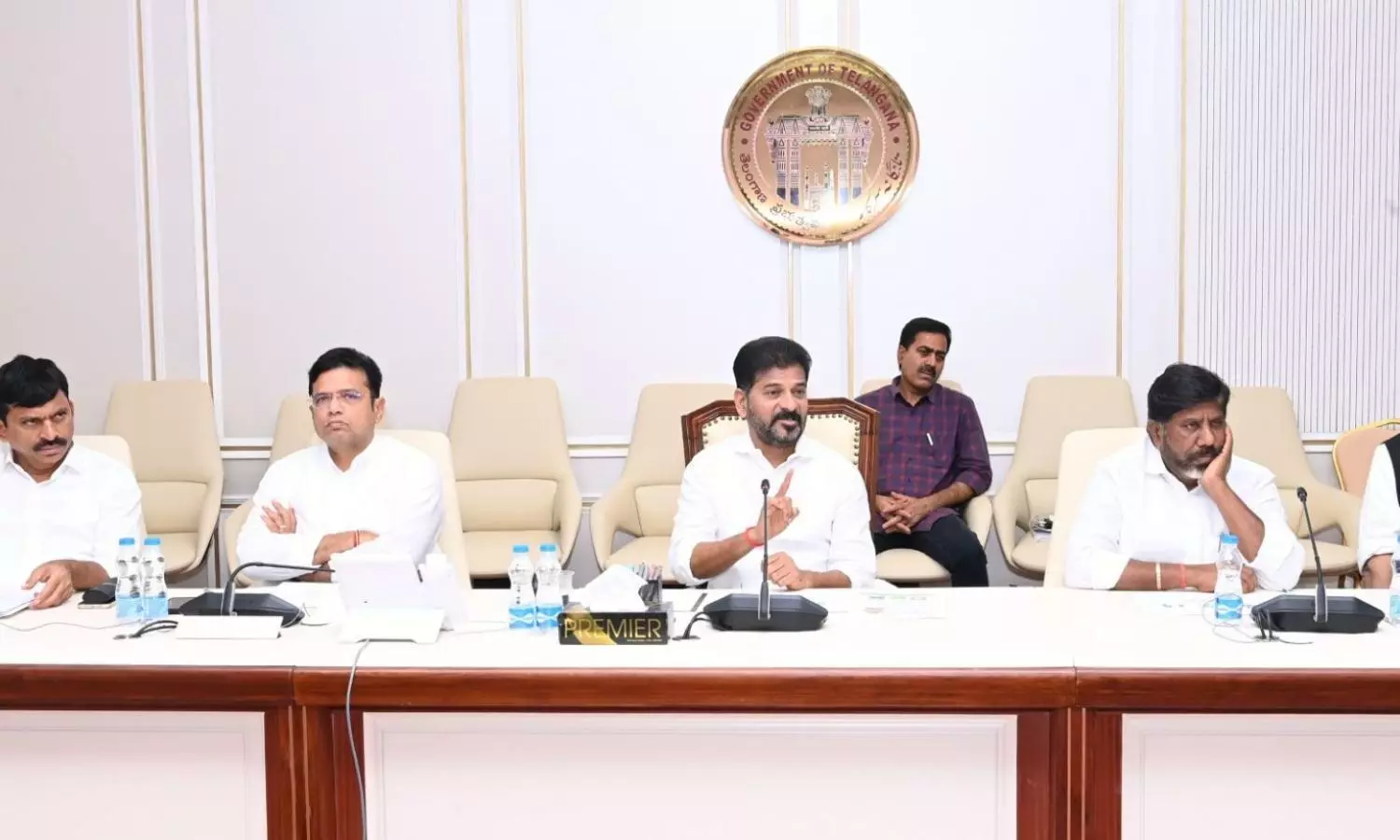
Hyderabad: Telangana is the only State in the country to provide a ₹1-crore insurance scheme for State government employees, contract and outsourcing personnel and pensioners, Deputy Chief Minister Mallu Bhatti Vikramarka said.
Replying to a question in the Assembly, Bhatti said the scheme was the first of its kind in the country and was introduced with the humanitarian objective of providing financial security to the families of employees in the unfortunate event of their death.
The scheme covers regular State government employees, pensioners and contract and outsourcing personnel, subject to the terms and conditions of the participating banks and the MoU signed with the government.
According to the Telangana Government’s 2026-27 Budget, the comprehensive accident insurance scheme covers about 7.57 lakh government employees and pensioners. The key benefit is accident insurance coverage of up to ₹1.20 crore in the event of accidental death.
In addition, employees and pensioners are provided ₹10 lakh term-life insurance cover up to the age of 60, according to the Budget document.
Bhatti said the scheme was designed to ensure that the families of employees do not face financial hardship or destitution following the death of an earning member. He said 16 banks were participating in the scheme and that it imposed no financial burden either on the government or the employees.
A total of 1,291,056 individuals in the State fall under the ambit of the scheme. Of these, 518,293 are regular employees. Another 500,158 comprise temporary, outsourcing and multi-purpose workers, besides contract, daily-wage, NREGS, MTS and SERP personnel. The scheme also covers 272,600 pensioners and family pensioners.
Vikramarka said the ₹1-crore insurance scheme was first launched for employees of Singareni Collieries Company Limited. It was subsequently extended to employees of DISCOMs under the Energy Department and other organisations before being expanded to cover government employees across the State.
He said steps had been taken to ensure a total benefit of up to ₹1.20 crore for the family of an employee who dies in an accident, including ₹1 crore in insurance coverage along with other benefits. Insurance coverage of up to ₹2 crore is available in the event of an accident during air travel, he added.
He also said there was a provision for benefits of up to ₹10 lakh in cases of natural death.
Bhatti said the Central Government had studied Telangana’s accident insurance scheme and that several other States had shown interest in examining the model. Tamil Nadu, he added, had also implemented a similar scheme.
The Deputy Chief Minister also announced the introduction of a health card scheme for government employees and pensioners, saying the government had fulfilled the long-standing demand of employee unions for cashless medical services.
He said cashless medical treatment and CGHS packages had been made available under the scheme.
Approximately ₹240 crore had already been allocated for the health card scheme, he said.
Telangana Govt Extends ₹1.20-Crore Accident Insurance Cover to Employees, Pensioners
Delhi HC flags rampant fake GST registrations, orders biometric Aadhaar authentication
Odisha Govt on High Alert After Heavy Rain Forecast
Manipur CM assures justice to family of musician Vikram Singh, vows action against culprits


