






- HMWSSB MD calls for wider use of recycled wastewater
- BRS blames Congress for looming drinking water crisis
- Hyderabad: Park visitors cry foul over proposed fee hike
- Sonia Gandhi recalls fear of Indira, urges more youth to join politics
- Indian envoy meets Jakarta Governor, discusses sister city cooperation and Little India redevelopment
- FM Sitharaman chairs 2nd pre-Budget consultation with leading agriculture, rural development experts (Lead)
- Amit Shah unveils bust of Ajit Pawar in Pune; reveals the 'secret' behind his entry into Mahayuti
- Anbumani Ramadoss seeks urgent recruitment as TN govt colleges face faculty shortage
Money power, coercion, and backroom deals undermine local body elections
In Short
Intellectuals point out a stark contradiction: while youth turning 18 are mandatorily enrolled as voters

Share :
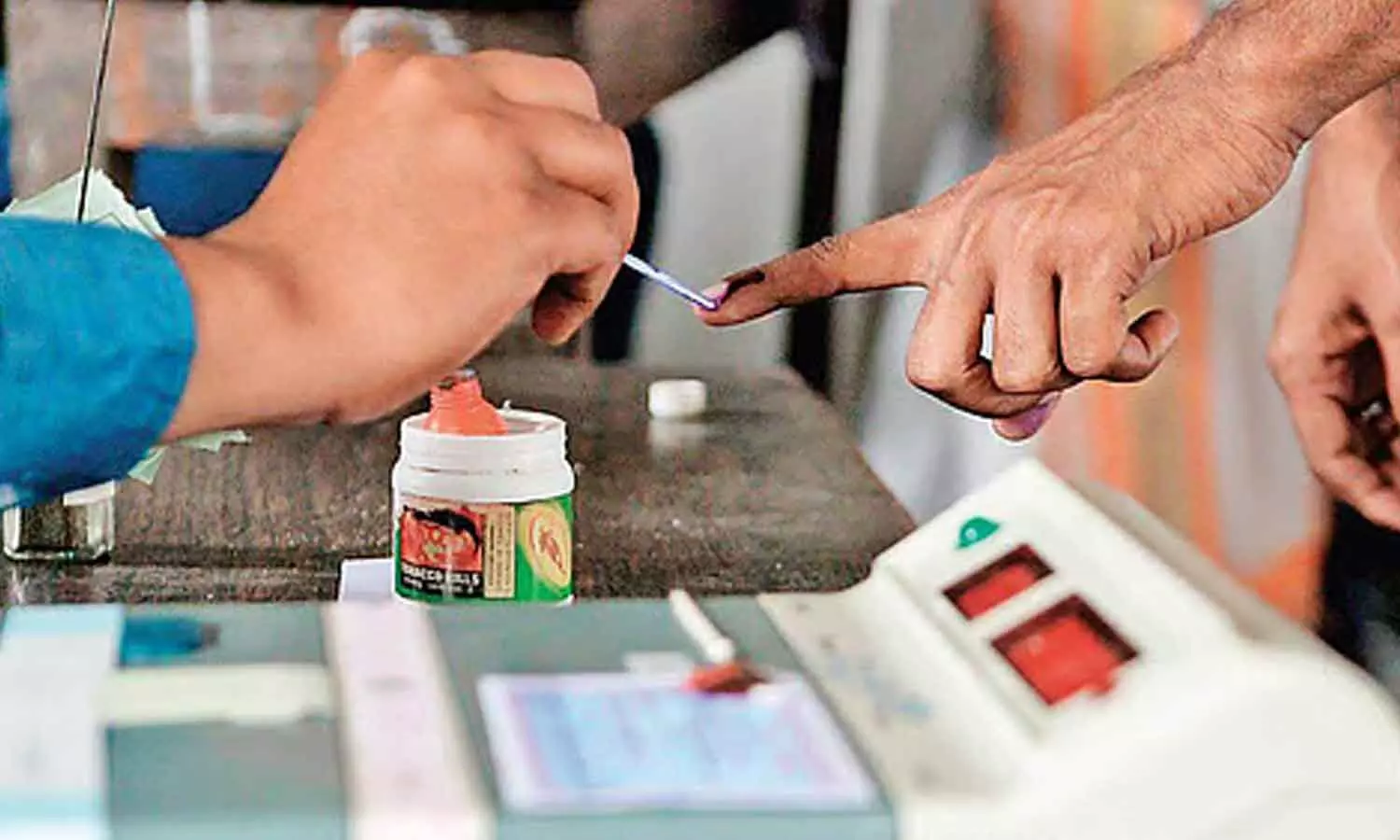
Photo of a voter
Kurnool: The State government’s decision to offer financial incentives to gram panchayats for conducting unanimous elections has drawn sharp criticism from political analysts and intellectuals, who warn that the move strikes at the very roots of grassroots democracy.
While promoting village harmony is welcome, observers argue that incentivizing uncontested polls turns democratic participation into a bargaining exercise driven by money power, coercion, and backroom negotiations rather than genuine public consensus. Analysts expressed alarm over growing allegations that local body posts—including sarpanch, MPTC, ZPTC, ward member, and corporator—are being treated as commodities and negotiated for huge sums.
They cautioned that candidates securing office through financial influence rather than a popular mandate are likely to recover their investments through corruption, commissions, and misuse of public funds, severely eroding accountability. Intellectuals also highlighted a glaring contradiction between mandating voter enrolment at age 18 and encouraging practices that eliminate voting altogether.
Every year, thousands of newly enrolled young voters eagerly await casting their first ballot, yet widespread unanimous elections effectively deprive them of their constitutional franchise.
Warning of long-term consequences, observers noted that normalizing uncontested polls could gradually replace electoral competition with predetermined selections, resembling monarchism.
Asserting that no financial inducement should come at the cost of voting rights, they urged the government to utilize funds to strengthen village infrastructure instead, ensuring local bodies remain accessible to ordinary farmers, labourers, and educated youth without fear or
|financial pressure.
Cyclone Akvan poses fresh threat to Andhra Pradesh
Telangana on rain alert as cyclone threat looms
Charminar MLP project remains a non-starter
India-Egypt startup ecosystems can be a ‘force multiplier’: Piyush Goyal
‘Yogi Ki Pati’ completes 50 weeks; exhibition brings UP’s development story closer to youth
'Give me justice before it is too late': Imran Khan urges top Pakistani judges


