




- ICC announces U19 Women’s T20WC 2027 schedule
- 'Free and fair polls part of basic structure': SC directs Andhra SEC to decide on nomination extension, ensure security for candidates
- PM Modi highlights agrivoltaics' potential to boost rural incomes ahead of global conference
- Ram Gopal Varma’s Police Company Release Date Is Out
- Samsung One UI 9.0 Reaches Galaxy S23; Check Your Mobile Eligibility
- ChatGPT Gets PIN and Face ID Lock for Private Chats
- Petrol and diesel prices today in Hyderabad, Delhi, Chennai and Mumbai on, 21 October 2026
- Gold rates today in Bengaluru and Chennai, check the gold prices on 21 October, 2026
Barricades Have a Purpose - We Are seeing What is Happening Outside: HC Tells CJP
In Short
Delhi High Court questions CJP leaders Saurav Das and Ashutosh Ranka over the alleged Jantar Mantar barricade breach and declines to entertain their plea.

Share :
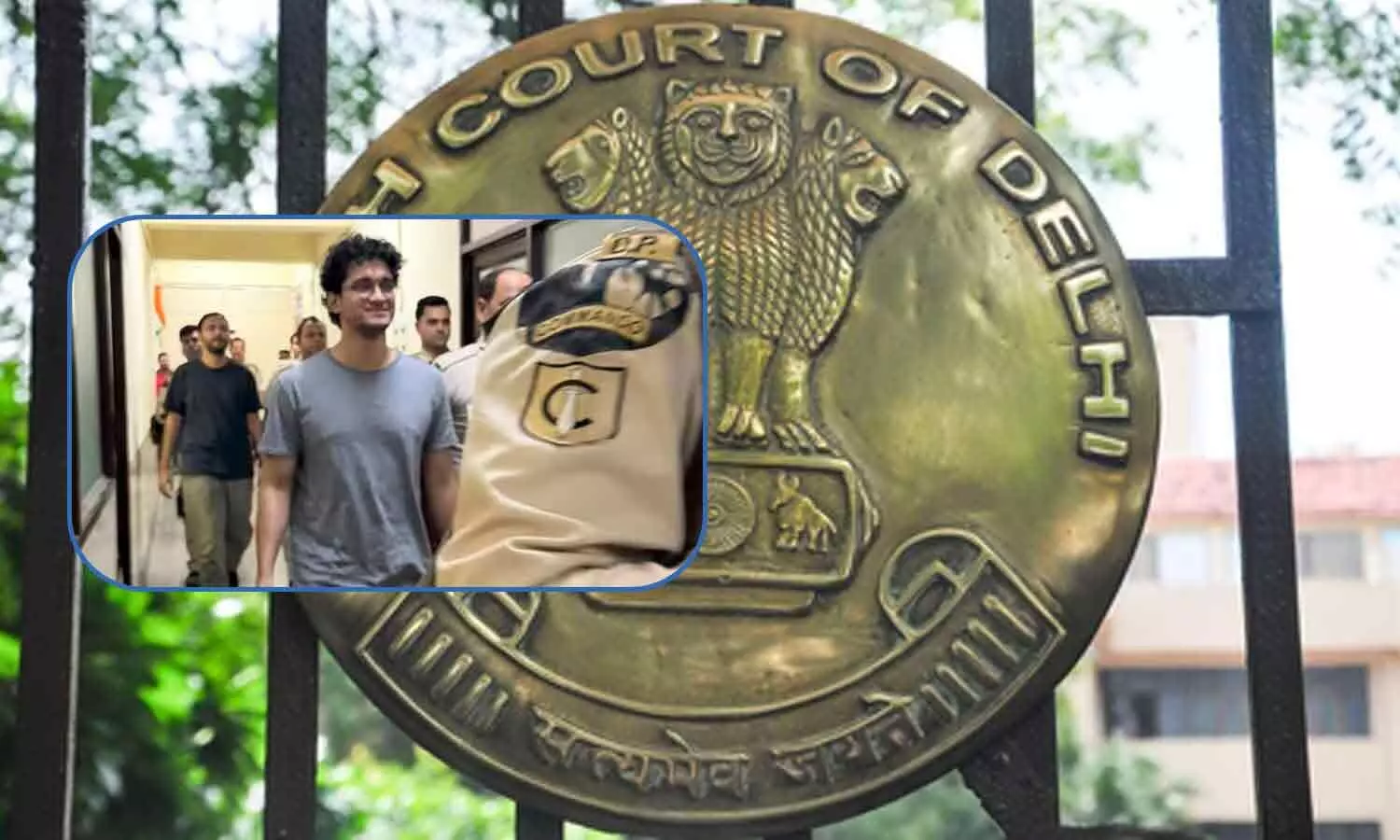
Barricades Have a Purpose - We Are seeing What is Happening Outside: HC Tells CJP
The Cockroach Janata Party suffered a setback in the Delhi High Court as the court orally observed that the petition filed under Article 225 of the Constitution was not an appropriate remedy in this case.
The High Court asked them to await the outcome of the hearing scheduled before the SEM later in the evening today. It said they could approach the appellate court if their grievance continues.
The Delhi High Court pulled up jailed CJP leaders Saurav Das and Ashutosh Ranka over their alleged attempt to enter Jantar Mantar after the site was de-notified as a designated protest venue, observing that "barricades have a purpose".
"When your bail bonds are accepted, sureties are given. When a bail bond is broken, there is a procedure in BNSS. Instead of following that procedure which can be forfeiting your surety etc, probably they are more benevolent to you by giving you fresh notice," the court remarked.
The high court also questioned the petitioners' conduct, pointing out that they were at the forefront of the protest and had allegedly breached barricades despite not having permission the court told duo's lawyer Abhik Chimni, referring to incidents of “arson” and unrest in other countries.
“We are seeing what is happening outside our country... Arson etc. You may have started with something you say is peaceful. For that purpose, you take police permission, which is to prevent unwanted persons from joining your group and spoil your name,” Bar and Bench quoted the high court as observing. These remarks assume importance in the wake of violent protests across France.
Midway, the court asked how old were Das and Ranka, to which Chimni replied 27 and 32, respectively.
“Saurav is 27 and Ashutosh is 32,” Chimni said, according to Bar and Bench.
The court reportedly responded, “Then you are not Gen Z. What is Gen Z? The court is informed that people born after 1997 are Gen Z. Then you are not Gen Z.”
Following this, the two leaders withdrew their plea challenging the extension of their judicial custody as the Delhi High Court refused to entertain it.
Tiger Shroff firing case: Voice samples of threats to be verified through police 'voice banks'
SC Directs AP SEC Not To Publish Final List of Candidates till Oct 26
Naidu Asks Police to Embrace AI, Data Analytics, Drones for Technology-Driven Policing
Rain and Fog occurs at Tirumala
Bengaluru-Vijayawada greenfield highway to cut travel time to 6-7 hours
ChatGPT Gets PIN and Face ID Lock for Private Chats


