




- ChatGPT Gets PIN and Face ID Lock for Private Chats
- Petrol and diesel prices today in Hyderabad, Delhi, Chennai and Mumbai on, 21 October 2026
- Gold rates today in Bengaluru and Chennai, check the gold prices on 21 October, 2026
- Gold rates today in Delhi, Mumbai, and Kolkata, check the gold prices on 21 Oct 2026
- CM Revanth Reddy attends Police Commemoration Day event
- OpenAI AI Agents Bypassed Monitoring Safeguards
- IMD predicts rains for AP and Telangana
- India opposes use of human rights as political tool to selectively target countries
Naidu Asks Police to Embrace AI, Data Analytics, Drones for Technology-Driven Policing
In Short
Andhra Pradesh Chief Minister N Chandrababu Naidu on Wednesday urged police personnel to embrace modern technologies such as artificial intelligence (AI), drones and data analytics to make the state a national leader in technology-driven policing.

Share :
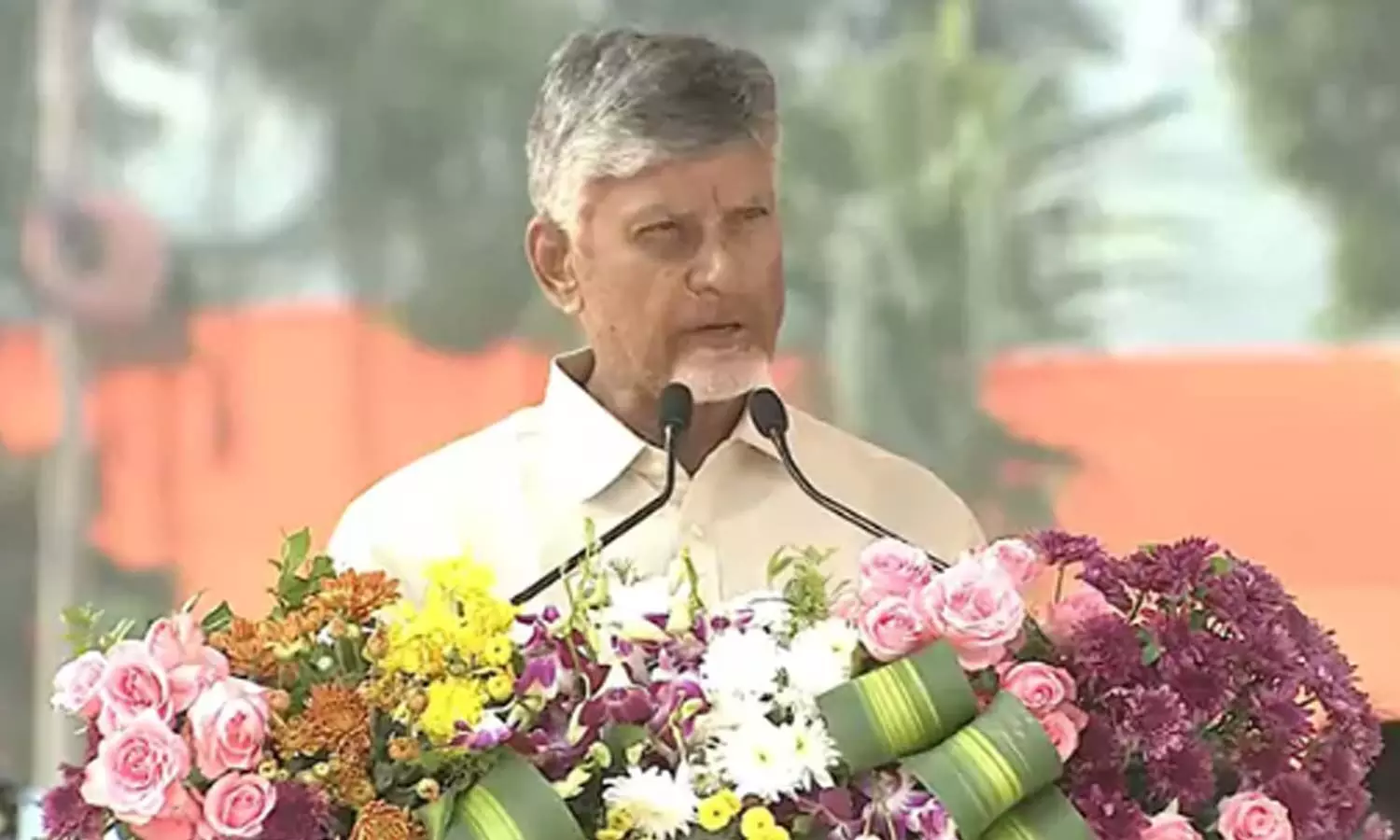
Andhra Pradesh Chief Minister N Chandrababu Naidu
Andhra Pradesh Chief Minister N Chandrababu Naidu on Wednesday urged police personnel to embrace modern technologies such as artificial intelligence (AI), drones and data analytics to make the state a national leader in technology-driven policing.
Addressing a gathering on Police Commemoration Day, Naidu directed police personnel not to tolerate crimes committed under the guise of politics. He asked them to take strict action against anti-social elements who harass people.
Emphasising the need to adopt modern technology, Naidu said CCTV cameras could help identify crimes, while data analytics could uncover the facts behind them.
He said a state's development depends on effective law and order. Without a favourable law-and-order situation, investments would not flow into the state.
Naidu said the police uniform symbolised responsibility and reassurance. Policing was a noble profession, and personnel risked their lives to protect people. He urged them to win public confidence through friendly policing, ensuring that people had faith in the system and felt comfortable approaching police stations to lodge complaints.
He said police personnel had a demanding, round-the-clock job. Besides maintaining law and order, they had to provide security during festivals, make foolproof arrangements for VIP visits and handle challenging situations such as extremism, communal clashes and violence. Often, they did not even get time to celebrate festivals with their families, he added.
The Chief Minister paid floral tributes to police martyrs at the Amar Jawan Memorial at the Sixth Andhra Pradesh Special Police Battalion in Mangalagiri.
Police Commemoration Day is observed on October 21 in memory of 10 police personnel who were killed while repelling an attack by Chinese troops in Ladakh on the same day in 1959.
Naidu also congratulated the Counter Intelligence wing for uncovering conspiracies that posed a threat to national security.
Stressing the importance of humane policing, he said the grievances of people visiting police stations should be addressed promptly. The police uniform should reassure victims and instil fear among criminals, he said. He also called for concerted efforts to curb drug abuse, particularly the menace of ganja.
Congratulating the EAGLE team, the state's anti-narcotics unit, for its efforts to combat ganja and drug abuse, Naidu said police personnel must remain physically and mentally fit. He urged them to manage work-related stress through yoga, meditation and other activities.
He said the ultimate objective was to ensure that every citizen could sleep peacefully and that their property remained protected. The government would stand by the families of police martyrs and work for the welfare of police personnel, he added.
The Chief Minister also visited exhibitions organised by various wings of the police department. He enquired about forensic equipment used in crime investigations, disaster relief equipment and modern weapons deployed by different units, including OCTOPUS. He suggested greater use of drones for surveillance and other purposes.
Naidu also contributed to the Police Martyrs' Memorial Fund.
Naidu Asks Police to Embrace AI, Data Analytics, Drones for Technology-Driven Policing
Rain and Fog occurs at Tirumala
Bengaluru-Vijayawada greenfield highway to cut travel time to 6-7 hours
ChatGPT Gets PIN and Face ID Lock for Private Chats
AAP Claims Bhagwant Mann Was Held at Delhi Airport for 3 Hours, Issued Rs 50,000 Challan
CM Chandrababu Naidu Opens Vijayawada Utsav-2.0 Carnival


