




- Govt will provide legal ownership of rural properties: MP CM Yadav
- Congress assured of defeat in future elections, says Karnataka BJP's Chalavadi Narayanaswamy
- UP: Rs 8 lakh compensation for lives lost in disaster, 30 pc higher compensation for crop losses
- 1984 anti-Sikh massacre trials conducted like institutional fraud, says former judge
- BJP leader Ravi Kumar demands apology from Priyank Kharge over ‘village idiot’ remark
- Karnataka CM Shivakumar to attend LoP Gandhi's meeting in Delhi, call on Union Ministers
- Anil Ravipudi And Venkatesh’s January 12 Vidudala Team Heads To Kazakhstan
- Mahesh Babu Too Heaps Praises On Nitish Tiwari’s Ramayana
Delhi HC exempts lawyers, court staff from restriction
In Short
The judge said the exemption would be applicable on court working days. Citing pollution concerns, the Delhi government had, on June 23, decided to ban the entry of all outside motor vehicles that do not meet BS-VI emission standards into the capital from November 1 to January 31.

Share :
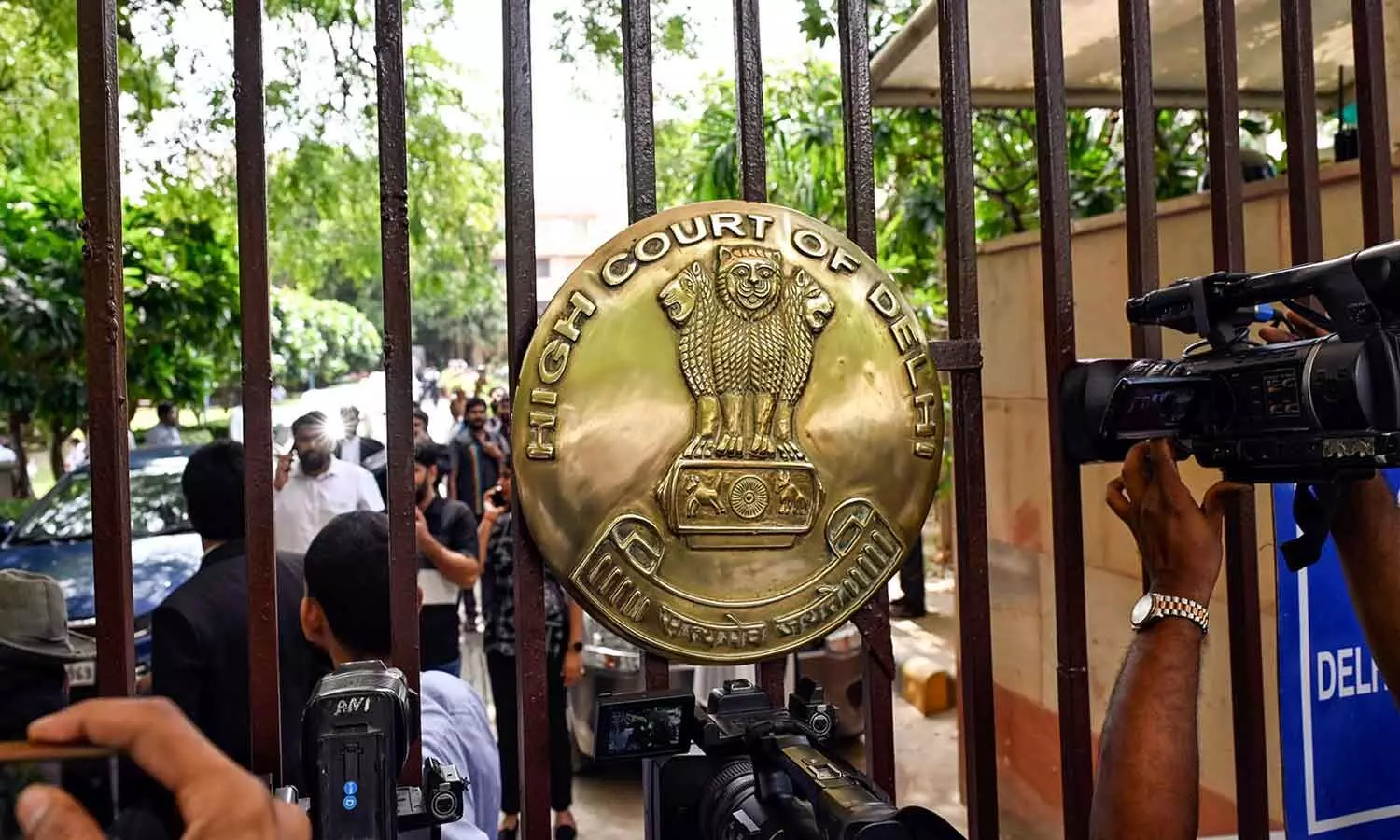
The Delhi High Court
New Delhi: The Delhi High Court on Friday said lawyers and court staff would be exempted from the travel restriction imposed on non-Delhi-registered pre-BS-VI vehicles by the city administration. Justice Amit Mahajan passed the order on a petition by the Delhi High Court Bar Association (DHCBA).
The judge said the exemption would be applicable on court working days. Citing pollution concerns, the Delhi government had, on June 23, decided to ban the entry of all outside motor vehicles that do not meet BS-VI emission standards into the capital from November 1 to January 31.
DHCBA's petition sought directions seeking exemption for vehicles "lawfully used by advocates residing in the NCR and travelling to Delhi for bona fide professional duties".
The DHCBA president, senior advocate N Hariharan, submitted that a large number of advocates travelled to courts in Delhi from NCR regions, which includes Gurugram, Faridabad, Noida and Ghaziabad, for performing "judicial functions", and therefore, their non-Delhi-registered, pre-BS-VI vehicles should be exempted from the ban.
"How can there be a blanket ban? We are performing judicial functions. If half of us can't come here, how will the courts function?" he argued.
In its petition, DHCBA said while clean air was imperative and the State has the power to regulate vehicular emissions, advocates should be exempted from the Delhi government's decision in the interest of administration of justice.
"Advocates timely attendance when required by a court serves the interests of litigants and the administration of justice. In Anita Kushwaha v. Pushap Sudan... the Supreme Court recognised access to justice as a facet of Articles 14 and 21.
"That principle makes the demonstrated effect on access to courts a relevant consideration. It does not confer a general privilege to pollute but it requires the authority to consider whether regulated access can reasonably reconcile the competing interests," the petition said.
Delhi HC exempts lawyers, court staff from restriction
Raj to give jobs to 235 athletes, nine as DSPs
Jagatguru Swami Satishacharya Ji Maharaj arrives in Ayodhya to review preparations for the grand Deepotsav 2026 celebrations, highlighting the city's upcoming festivities.
Online Personal Loan Application: Step-by-Step Process From Eligibility Check to Loan Disbursal
BHEL targets Rs 3,000 crore profit; HMT factory to be revived soon: Kumaraswamy
K’taka govt dealing with Centre in name only over drought: Kumaraswamy
Chhattisgarh govt announces 1,703 govt jobs ahead of Diwali
Telangana govt giving priority to upliftment of minorities: Dy CM
Marathwada Water Grid Project accelerated; Maha CM directs expedited submission of preliminary report
Ponnam Announces Hike in BC Study Circle Students’ Stipends


