




- BJP blasts Congress over ‘links’ with anarchic elements in pushing violent protests
- MP cabinet clears projects worth over Rs 23,288 crore; extends paddy registration deadline
- Siddaramaiah expressed dissatisfaction with sting op probe during meeting with LoP Gandhi: Rajanna
- PV Sindhu, Lakshya Sen Win Hylo Open Titles Amid Funding Concerns For Indian Shuttlers
- Heavy rain delays VMC poll counting, results likely by 7 pm
- 'Govt, private sectors must come forward to make Delhi a medical hub’: CM Gupta
- RBI eases export reporting compliance for freelancers, service exporters
- Murasu Wreaks Havoc, Leaves Trail of Destruction
How India is offering smaller Asian countries more options in power sector
In Short
The article, published by the Australian Institute of International Affairs, points out that matching Beijing project for project would make Chinese spending the measure of Indian success

Share :
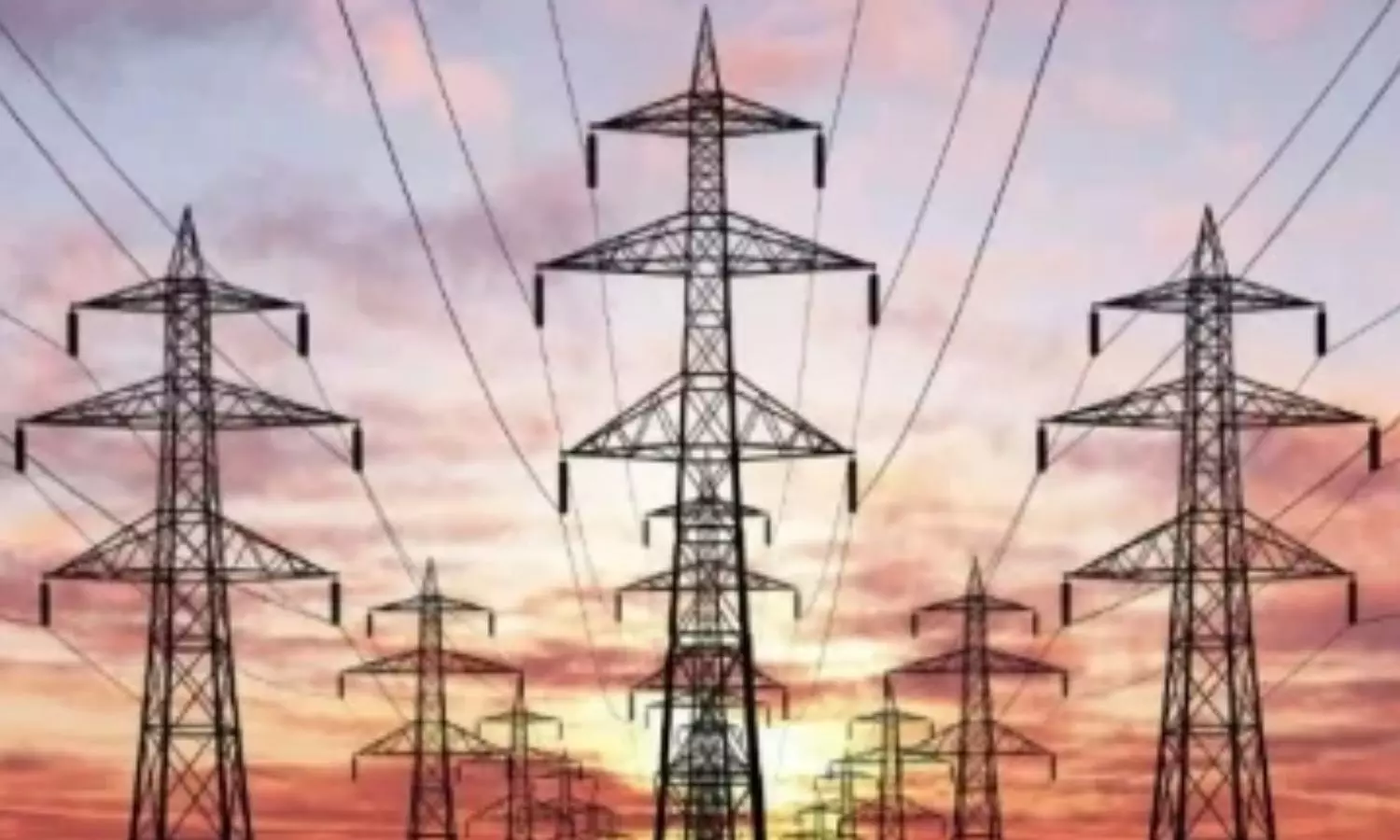
Nepal's export of electricity to Bangladesh
New Delhi: Nepal's export of electricity to Bangladesh through India’s power grid reflects how New Delhi is providing an additional trading option to two countries in the neighbourhood through its territory, with the strategic significance of the arrangement lying in the fact that, unlike China, it is making it possible for smaller countries to have more bargaining power and room to manoeuvre in their diplomatic relations, according to an article
The article, published by the Australian Institute of International Affairs, points out that matching Beijing project for project would make Chinese spending the measure of Indian success. Instead, India’s opportunity lies in connecting markets, infrastructure and partners in ways that reduce dependence on a single supplier or financier. Its influence would grow precisely because other countries gained choices.
The World Bank’s case for regional electricity integration argues that greater exchange could lower costs and improve the resilience of power systems. But transmission lines alone do not establish a functioning market. Governments must settle access conditions, transmission charges, payment arrangements and procedures for resolving disputes. These rules determine whether a connection is commercially usable and politically dependable, the article observed.
It also highlights that the same problem appears in clean energy manufacturing, where China enjoys a near-monopoly. The International Energy Agency’s 2026 assessment estimates that China held 95 per cent of global solar wafer manufacturing capacity in 2024. Opening factories elsewhere does little to diversify supply if they still rely on an upstream capacity concentrated in China.
The article noted that India’s partnerships could help address this wider dependence on upstream inputs. In 2023, the Australia–India Critical Minerals Investment Partnership identified two lithium and three cobalt projects for due diligence, with the aim of supplying minerals processed in Australia to Indian manufacturing. These battery minerals illustrate a parallel opportunity to diversify upstream supply, rather than a solution to solar-wafer dependence. Linking such projects to battery-grade refining and purchasing agreements with Indian manufacturers could create viable alternatives. A mine, refinery, and factory become a supply chain only when their products, standards and purchasing agreements fit together.
For Canberra, this means treating India as an economic partner whose capabilities can benefit third countries. Australia’s Critical Minerals Strategy identifies the India-Australia Critical Minerals Investment Partnership as an existing basis for cooperation. The next task is to turn such arrangements into projects with credible buyers, financing and delivery schedules, the article states.
It opines that Australia and India could jointly fund feasibility studies and regulatory assistance for South Asian electricity interconnections, working with neighbouring governments and multilateral lenders. This would help resolve risks that discourage investment before construction begins. In critical minerals, support should connect processing projects with manufacturers prepared to enter long-term purchasing agreements. Technical cooperation should address product quality and qualification requirements, so alternative suppliers can actually reach customers, the article added.
AP Municipal elections results live updates: Counting begins
Union Minister Kumaraswamy cautions Karnataka police against losing public trust
HM Amit Shah apprised on difficulties in transferring Chandigarh property: BJP leader
Banaras will smile when BJP is gone, taunts Akhilesh Yadav; promises metro connectivity in Varanasi
BJP chief Nitin Nabin to visit UP's Gorakhpur on Nov 4-5
Public safety is Coalition govt priority, says CM Chandrababu Naidu


